


Memory chip makers extended last week's surge into Monday pre-market, with Micron, SanDisk, and Western Digital each gaining at least 3% as AI-driven demand for high-bandwidth memory continues to reshape the semiconductor landscape.
Memory chip makers extended last week's surge into Monday pre-market, with Micron, SanDisk, and Western Digital each gaining at least 3% as AI-driven demand for high-bandwidth memory continues to reshape the semiconductor landscape.
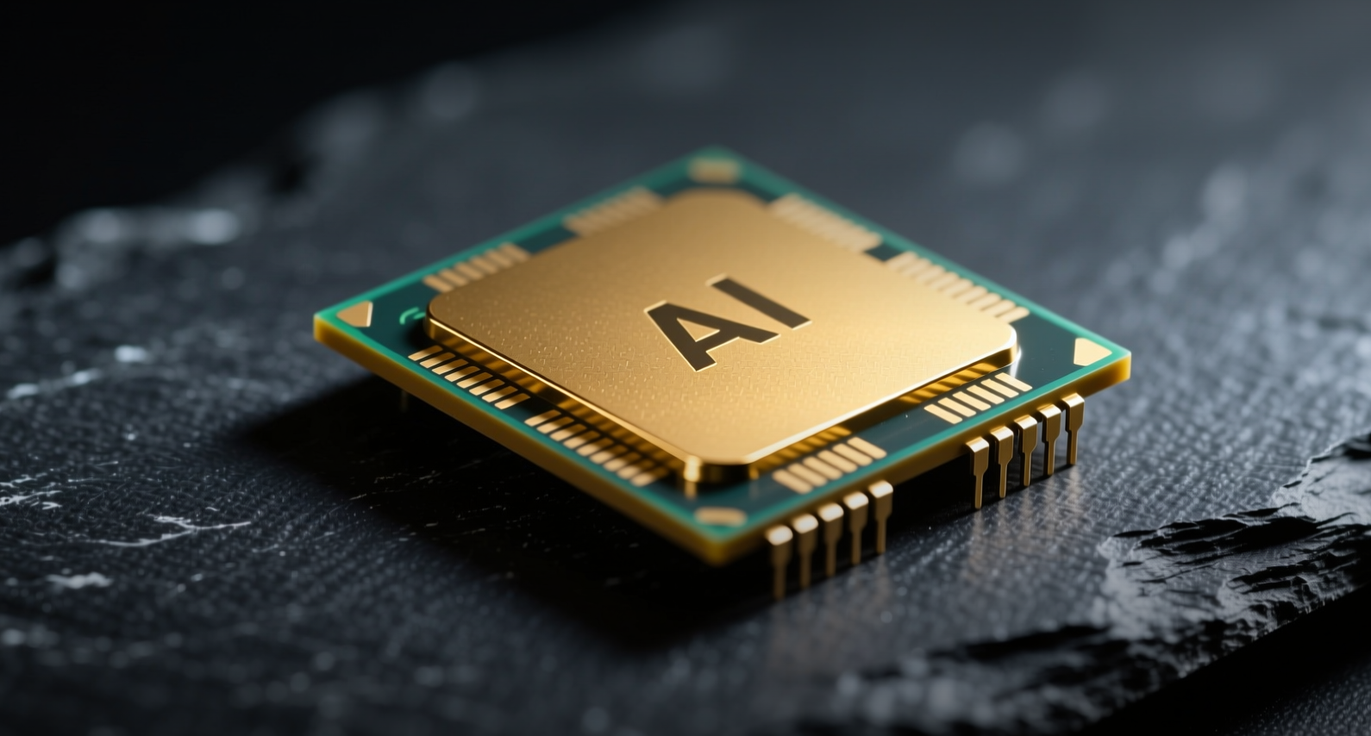
Memory chip stocks climbed in pre-market trading Monday, extending a rally that saw Micron Technology post its best week since 2008, as AI-driven demand for high-bandwidth memory continues to reshape the semiconductor landscape.
Intel led the group with a 4% gain, while Western Digital, SanDisk, Micron Technology, and Corning each rose 3%. Marvell Technology added nearly 2%. The moves follow a blockbuster week for the sector: Micron surged 38% last week — its strongest weekly performance since December 2008 — while SanDisk gained 32% and Western Digital rose 11%. The Roundhill Memory ETF (DRAM), which tracks memory stocks including overseas giants SK Hynix and Samsung, jumped 30% in its best week since the fund launched in April.
"From 2013 to 2015, Micron was actually worth significantly more than Nvidia, but that was before Nvidia got into the data center business," one trader posted on Stocktwits. "As AI workloads become more memory and CPU intensive, this ratio can easily get back to about 40% again where it was for so many years." Another trader projected Micron could reach $1,000 a share, or 34% above its last close, calling memory stocks "not even close to being overvalued with this new paradigm shift in non-cyclical memory demand."
The rally has been fueled by a series of bullish signals across the chip ecosystem. Upbeat quarterly reports from Intel and Advanced Micro Devices, along with hyperscalers Alphabet, Microsoft, and Amazon, have reinforced that AI infrastructure spending remains on a sharp upward trajectory. Last week, Micron announced it had begun shipping its 245TB Micron 6600 ION SSD, the world's highest-capacity commercially available data center SSD. Targeted at AI, cloud, and enterprise workloads, the drive requires roughly 82% fewer racks and far less physical space and power than hard-disk-drive-based alternatives, according to the company.
The memory sector's structural shift from cyclical commodity to secular growth story is drawing comparisons to Nvidia's own transformation. Nvidia, which traded roughly in line with Micron a decade ago before pivoting to data center chips, now commands a market capitalization more than 10 times Micron's. The gap may narrow as AI workloads become increasingly memory-bound — large language model inference, for instance, requires massive HBM (high-bandwidth memory) capacity that only a handful of suppliers can provide.
Retail sentiment on Stocktwits was "extremely bullish" for Micron, SanDisk, and the DRAM ETF, and "bullish" for Western Digital. Wall Street analysts are more measured: the average price target on Micron stands at $556.05, implying 27% downside from current levels, while SanDisk's consensus target of $1,399 suggests 10% downside and Western Digital's $495.68 target points to 3% upside.
Micron has been capturing a growing share of retail trading flows over the past several months, with net buying hitting a two-year high in mid-April, according to Vanda Research data cited by CNBC. The broader S&P 500 gained 3.4% last week, while the iShares Semiconductor ETF (SOXX) rose 5%, underscoring the breadth of the tech rally.
For investors, the key question is whether the memory rally has further to run or has already priced in the AI demand cycle. Nvidia trades at roughly 35 times forward earnings, while Micron trades at a discount multiple — a gap that could narrow if memory pricing remains elevated through the second half of the year. The next catalyst comes later this quarter when major cloud providers report earnings, offering fresh data on data center capital expenditure plans that will determine whether the memory boom has legs.
This article is for informational purposes only and does not constitute investment advice.
