
Key Takeaways:
- Hong Kong-listed 2x leveraged Samsung Electronics ETF fell more than 17%
- Hong Kong-listed 2x leveraged SK Hynix ETF also dropped more than 17%
- The sell-off signals severe bearish sentiment toward the memory semiconductor sector
Key Takeaways:
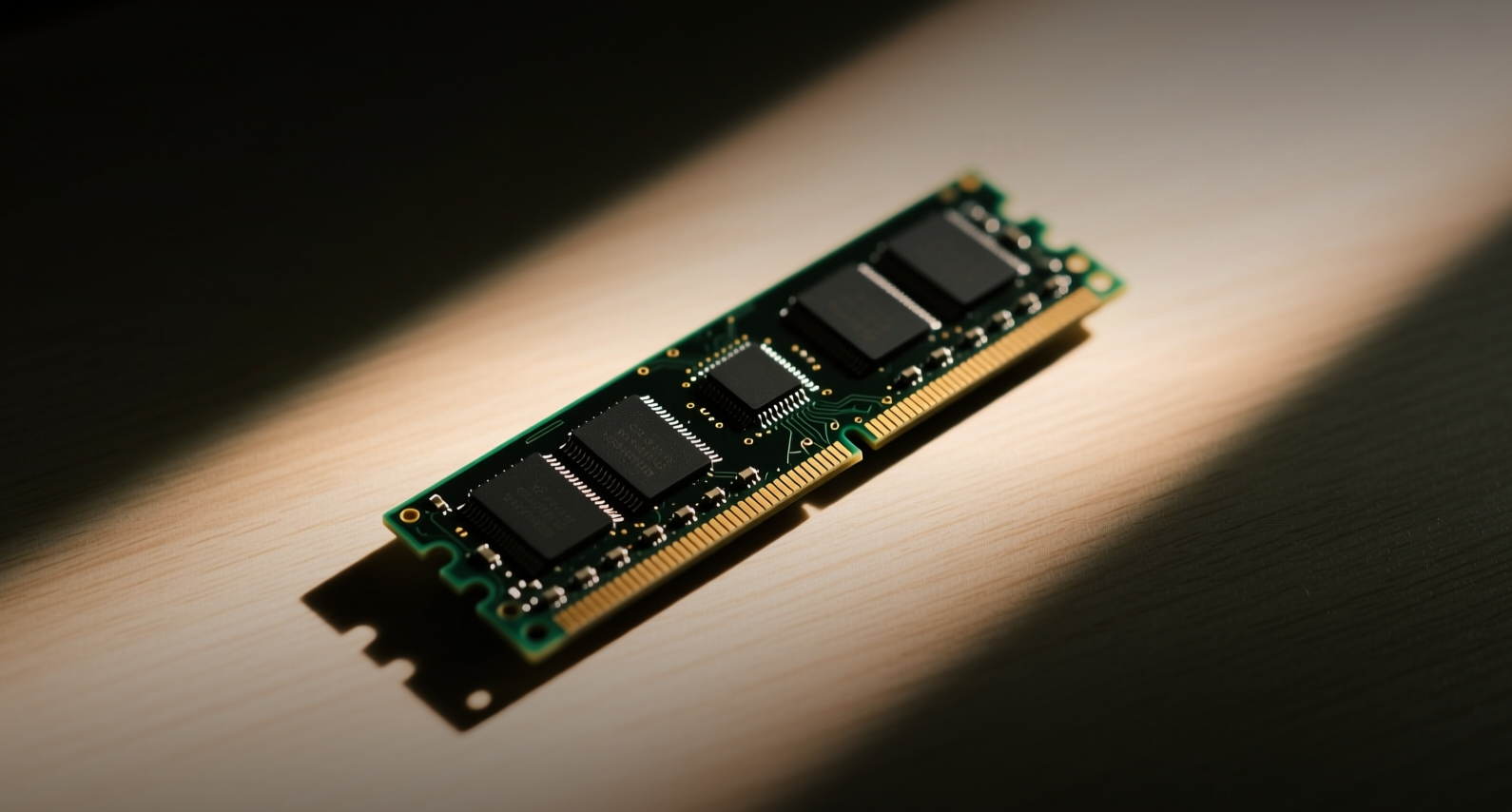
Two Hong Kong-listed leveraged exchange-traded funds tracking the world's largest memory chipmakers plunged more than 17% each on Tuesday, as a broad sell-off swept through the semiconductor storage sector in Asian markets.
The Southern CSOP 2x Leveraged Samsung Electronics ETF and the Southern CSOP 2x Leveraged SK Hynix ETF both dropped 17% in Hong Kong trading, reflecting severe bearish sentiment toward memory chip stocks. The leveraged products, which aim to deliver twice the daily return of their underlying stocks, amplified losses in a sector already under pressure from demand concerns.
"The magnitude of the move in these leveraged products suggests a coordinated de-risking event in memory semiconductors," said Rachel Kim, semiconductor analyst at Edgen. "When 2x ETFs fall this hard in a single session, it indicates the underlying stocks are experiencing significant selling pressure, not just ETF-specific flows."
The sell-off comes as the memory chip industry faces headwinds from a potential demand slowdown, inventory buildup and cautious guidance from major manufacturers. Samsung Electronics and SK Hynix dominate the global market for high-bandwidth memory (HBM), a critical component in Nvidia's AI accelerators. HBM — a specialized type of DRAM that stacks memory chips vertically for faster data throughput — has been a key growth driver for both companies as AI model training requires massive memory bandwidth. Any weakness in AI chip demand could ripple through the supply chain, affecting not just memory makers but also contract chip manufacturers like TSMC, which packages HBM with Nvidia's graphics processors using its CoWoS (chip-on-wafer-on-substrate) advanced packaging technology.
The memory chip cycle has historically been volatile, with boom-bust pricing swings driven by shifts in supply and demand. DRAM and NAND flash prices, which surged during the AI-driven hardware buildout, have shown signs of softening in recent quarters as data center operators digest previous capacity expansions. Samsung Electronics and SK Hynix together control more than 70% of the global HBM market, according to industry estimates, making them directly exposed to any pullback in AI infrastructure spending.
For investors, the sharp decline in Hong Kong-listed semiconductor ETFs signals potential near-term weakness across the broader tech sector. If the sell-off extends to US-listed chip stocks, it could pressure the Philadelphia Semiconductor Index, which tracks 30 semiconductor companies globally. The sell-off also raises questions about whether the AI chip trade — one of the most crowded positions in global equity markets — is beginning to unwind.
This article is for informational purposes only and does not constitute investment advice.
