


Starting July 1, Medicare will cover obesity drugs for the first time through a new Bridge program — yet 82% of seniors are unaware of the landmark shift.
Starting July 1, Medicare will cover obesity drugs for the first time through a new Bridge program — yet 82% of seniors are unaware of the landmark shift.
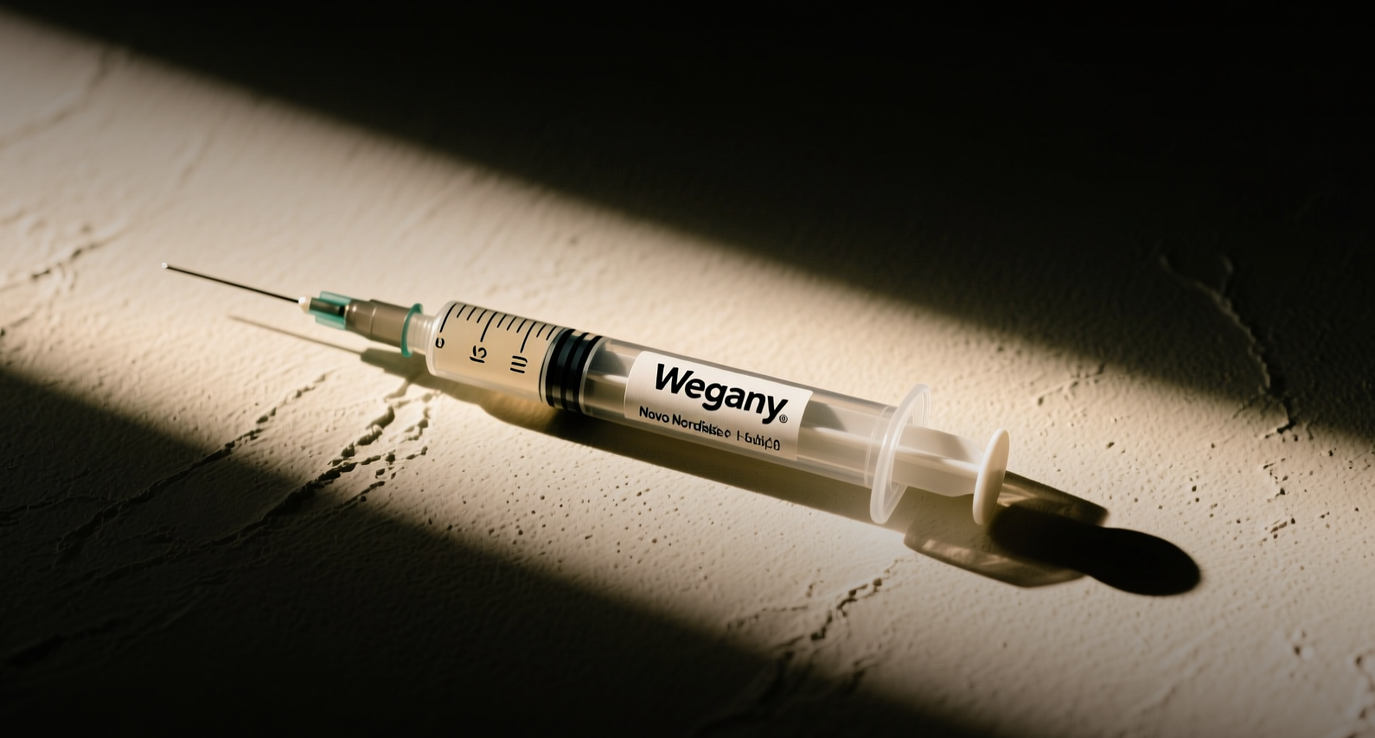
Millions of older Americans in Medicare will gain access to obesity drugs starting July 1 through a new Bridge demonstration program, with a monthly copay of just $50 — but a survey shows 82% of seniors remain unaware of the coverage.
"The thing is, the access is there, and hopefully the world will get around," Dr. Holly Lofton, director of the Medical Weight Management Program at NYU Langone, said.
The program covers blockbuster GLP-1 treatments from Novo Nordisk and Eli Lilly, including Wegovy and Zepbound. Eligible beneficiaries must be enrolled in Medicare Part D, obtain a prescription and receive prior authorization through the Centers for Medicare & Medicaid Services. The government extended the Bridge program through 2027 weeks before launch.
The limited awareness may delay uptake. A survey by the Obesity Care Advocacy Network of more than 2,100 adults aged 65 and older, conducted in late March, found 79% of Republicans and 84% of Democrats had no knowledge of the coming coverage. CMS has done limited public outreach ahead of July 1, telling reporters the agency will ramp up promotions after launch "in the interest of being good stewards of our taxpayer dollars."
Why awareness lags behind availability
Unlike traditional Medicare drug coverage, the Bridge program is administered directly by CMS rather than through private Part D plans, removing a key channel for beneficiary education. "All of that marketing advantage of having it run through the Part D plans doesn't exist," Kenneth Thorpe, health policy professor at Emory University, said.
The quiet rollout contrasts with the advertising blitzes Novo and Lilly have deployed for their obesity and diabetes drugs. Novo spent nearly $500 million on US advertising for Wegovy and Ozempic in the first nine months of 2025, more than double the roughly $200 million Lilly spent promoting Zepbound and Mounjaro, according to ad-tracking firm MediaRadar data cited by Reuters.
Novo's executive vice president of US operations, Jamey Millar, said the company has promoted the Bridge program on social media and its website but has not run linear TV ads. He compared the dynamic to annual flu shots, where pharmacists inform seniors during routine visits. "Any seniors that walk into a retail pharmacy post-July 1, on average, they're on eight medications, most of them oral, so the pharmacist has an opportunity to say, did you know about Bridge?" Millar said.
Lilly USA president Ilya Yuffa said the company intentionally focused on provider education before broad consumer marketing, similar to the recent launch of its obesity pill Foundayo. Building awareness among physicians first helps avoid "friction" between patients and providers, he said.
What the coverage means for drugmakers and patients
The Bridge program significantly expands the addressable market for GLP-1 drugs, which have remained out of reach for many seniors due to cost. Wegovy and Zepbound carry list prices of more than $1,000 per month before insurance. The $50 copay subsidizes access for millions of Medicare beneficiaries, potentially driving substantial prescription volume growth for Novo and Lilly.
Some patients will not qualify, including those already receiving GLP-1 coverage through Part D for conditions Medicare already covers, such as Type 2 diabetes, cardiovascular disease risk reduction or sleep apnea. CMS has done comprehensive outreach to providers and pharmacies, according to physicians, but experts said the lack of public advertising may slow initial enrollment.
"The thing is, let's get the first month down and see what mistakes we make, so we can fix it, rather than everything crashes and burns within a month or two," Lofton said.
The program's success hinges on awareness reaching eligible patients. Investors will watch prescription volume data in the coming quarters for signs of uptake acceleration among the Medicare population.
This article is for informational purposes only and does not constitute investment advice.
