


Key Takeaways:
- MediaTek secured exclusive orders for Google's upgraded TPU V9 chip
- Pricing is estimated at roughly 30% higher than the prior generation
- Production is expected to begin at the end of 2027
Key Takeaways:
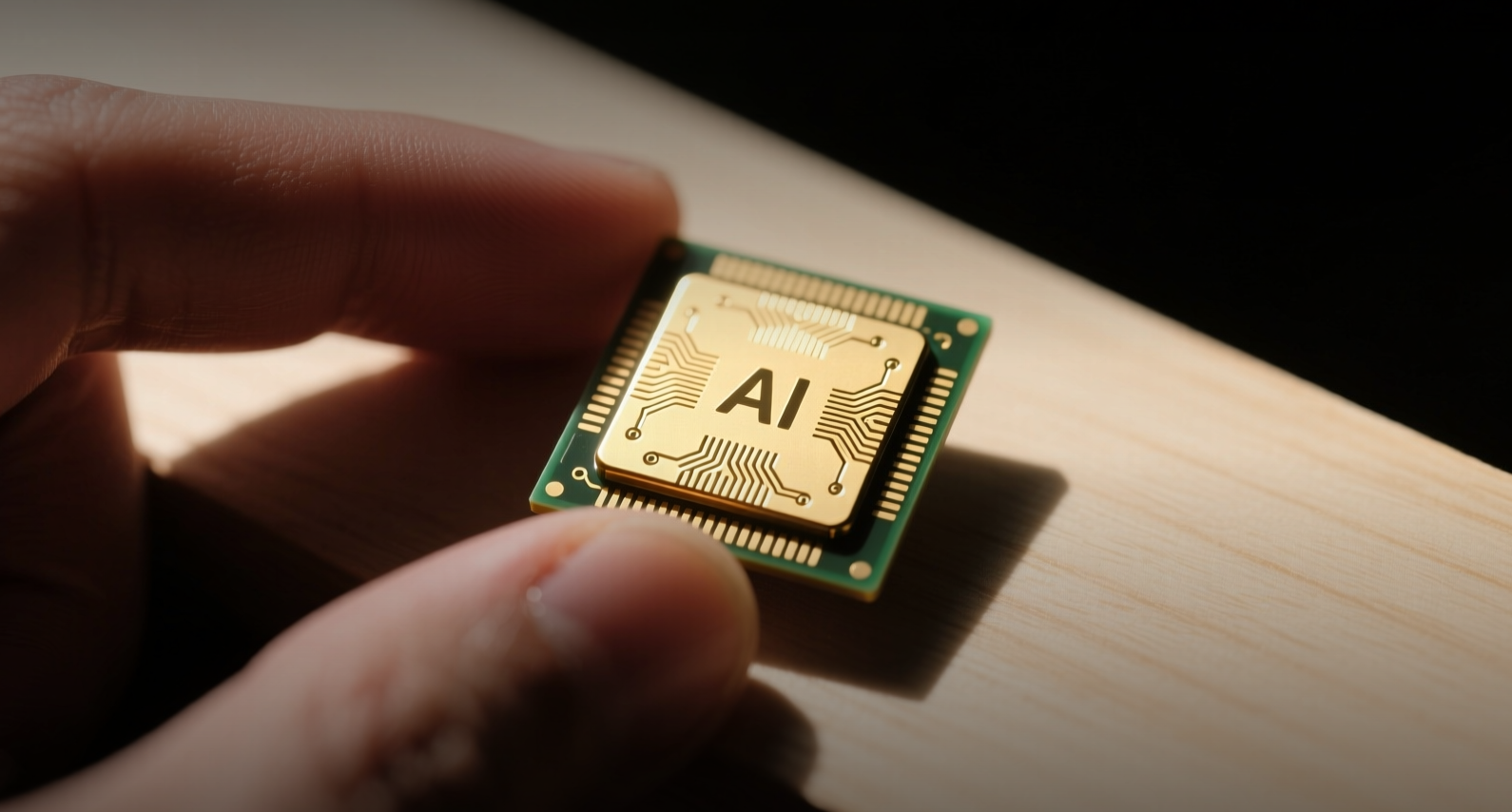
MediaTek's exclusive deal to supply Google's next-generation TPU V9 chip marks a major escalation in the AI chip war against Nvidia.
MediaTek won exclusive orders to supply Google's upgraded TPU V9 chip at a price roughly 30% higher than the prior generation, strengthening the search giant's push to challenge Nvidia's dominance in AI hardware.
"The latest industry survey shows MediaTek has secured exclusive orders for Google's upgraded TPU V9 chip, with pricing estimated about 30% higher than the previous generation," Ming-Chi Kuo, an analyst at TF Securities, said in a post on X.
Production is expected to begin at the end of 2027, Kuo said. The chip represents the latest iteration of Google's tensor processing unit line, which the company has developed since 2013 to handle internal AI workloads before expanding into a commercial offering through Google Cloud.
The deal positions MediaTek to capture a larger share of the AI chip market at a time when Google is spending aggressively to build alternatives to Nvidia's GPU ecosystem. Google has provided a $3.2 billion financial guarantee for the Lake Mariner data center project in New York, where developers plan to rent computing power from thousands of Google's chips to Anthropic, according to people familiar with the matter.
Google's TPU Strategy Takes Shape
Google has turned years of in-house chip development into a direct challenge to Nvidia's hold on the AI hardware market. The company's seventh-generation TPU — which Anthropic uses to train its models — prompted research firm SemiAnalysis to ask in a November note whether it marked "the end of Nvidia's dominance."
The company recently struck a $5 billion deal with Blackstone to create a new cloud-services business designed to compete with Nvidia-aligned providers such as CoreWeave and Nebius. Google has also decided to sell chips directly to customers rather than only through its cloud and has rolled out its first TPU designed specifically for inference.
Citadel Securities, a longtime Google Cloud client, recently began using TPUs for some of its research software. Josh Woods, the firm's chief technology officer, said the company can run key workloads at 30% lower cost and up to four times faster with TPUs.
Nvidia's Moat Faces Pressure
Nvidia still controls an estimated more than 90% of the AI chip market, helped by its CUDA software stack and hardware ecosystem that many AI labs already rely on. In an April appearance on podcaster Dwarkesh Patel's show, CEO Jensen Huang challenged Google to demonstrate a cost advantage. "It makes no sense in my mind," he said.
Some cloud providers worry they are locked into Nvidia's full stack, concerned that shifting spend elsewhere could cost them access to its most coveted chips. Adam Fisher, a partner at Bessemer Venture Partners, said some so-called neo-clouds fear ending up in what insiders half-jokingly call "Jensen jail."
Google is trying to counter that inertia with money and focus. The company has said it plans to raise $85 billion in equity, largely to support AI infrastructure. It is backing another Anthropic-related project called River Bend, a $7 billion development near Baton Rouge, Louisiana, and is providing $1.4 billion in guarantees for an AI computing lease in Colorado City, Texas.
Investment Angle
For MediaTek, the exclusive TPU V9 order at a 30% price premium represents a meaningful expansion beyond its traditional smartphone chip business into the data center AI market. The deal could drive upward earnings revisions and attract investor interest in MediaTek and related Taiwan semiconductor supply chain stocks. Google, meanwhile, trades at about 22 times forward earnings, and its in-house chip push could reduce its reliance on Nvidia's premium-priced GPUs over time. Nvidia shares, trading at roughly 35 times forward earnings, face a longer-term narrative risk if Google's TPU ecosystem gains enough traction to become a genuine second option in the AI chip market.
This article is for informational purposes only and does not constitute investment advice.
