

JD.com founder Richard Liu said robot deliveries are inevitable — and the company is spending to retrain its 700,000 couriers before the transition arrives.
JD.com founder Richard Liu said robot deliveries are inevitable — and the company is spending to retrain its 700,000 couriers before the transition arrives.
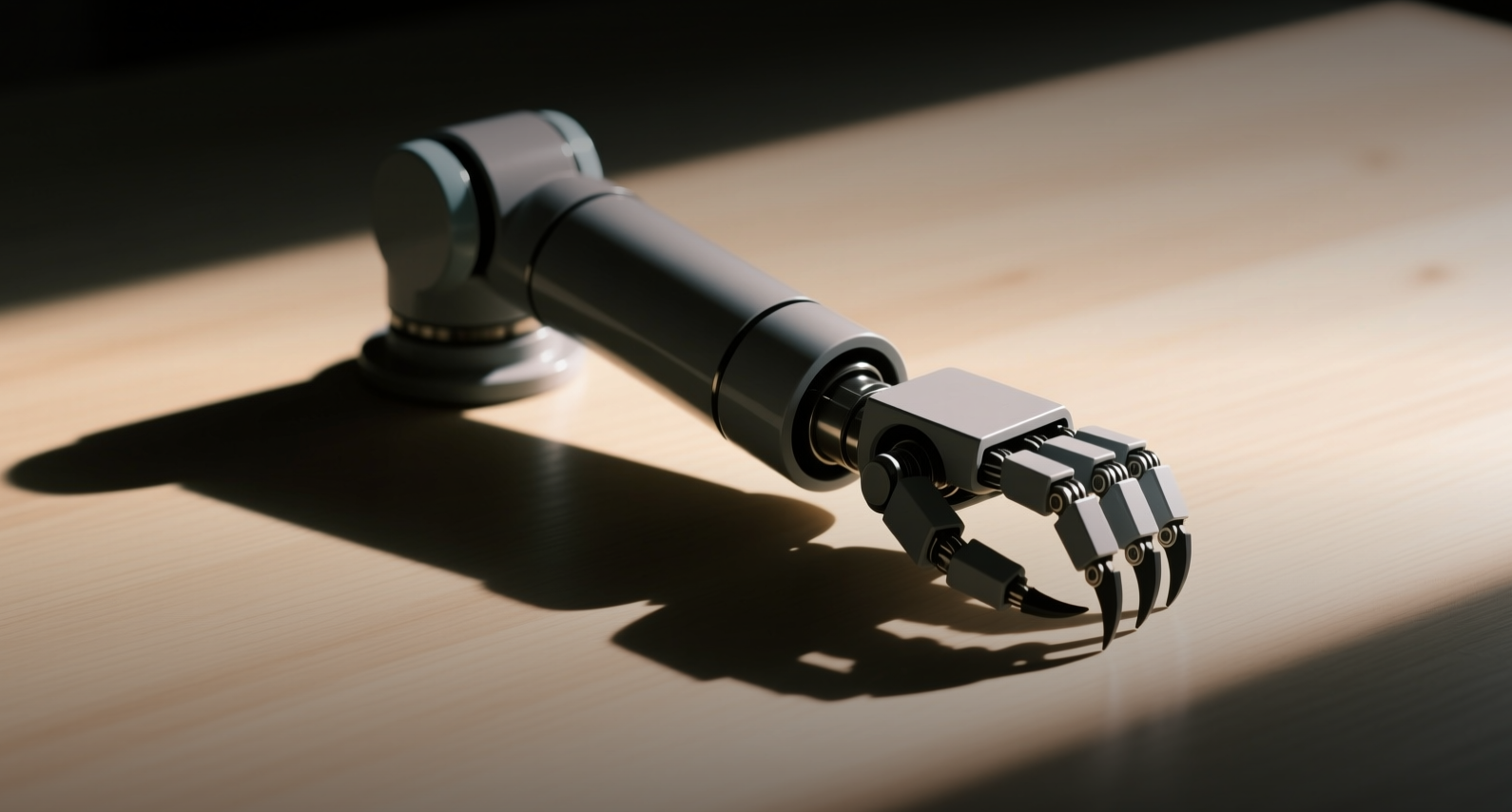
JD.com founder Richard Liu said robots will replace all package deliveries, as the Chinese e-commerce giant launches a retraining program for its 700,000 couriers to prevent mass job losses from automation.
"In the future, deliveries will be made by robots. There will be no need for delivery workers," Liu said at the 2026 APEC China CEO Forum in Beijing on Sunday. "But I don't want our 700,000 employees to be left without jobs or income."
JD has partnered with 120 schools across China to provide technical training for frontline workers, teaching skills such as robot maintenance and servicing. The initiative, called the Nirvana Plan, aims to transition couriers into new roles as JD expands its use of drones, autonomous vehicles and smart warehouses powered by robotics and AI.
The plan highlights a growing tension across China's logistics sector, where companies are racing to deploy automation for cost efficiency while managing the social consequences of displacing millions of workers. JD's 700,000-strong delivery force — one of the largest in the world — represents a significant portion of its workforce and a major cost line.
The Automation Imperative
JD is already piloting delivery robots at airports and autonomous restocking robots in Shenzhen, Liu said. The company has also deployed drones and self-driving vehicles for last-mile delivery in select cities, alongside smart warehouses that use robotic pickers and sorters. Amazon, JD's closest global counterpart, has similarly rolled out warehouse robots in Europe designed to handle conversational picking and packing tasks.
The economics of automation are hard to ignore. China's logistics sector employed more than 5 million delivery workers as of 2025, according to industry data, and rising labor costs are pushing companies toward robotic alternatives. JD's delivery fleet alone represents a substantial annual expense in wages, benefits and social insurance contributions.
The Retraining Challenge
JD's Nirvana Plan aims to bridge the gap before robots become cost-effective at scale. By partnering with vocational schools, the company is creating a pipeline of workers trained in robot diagnostics, battery replacement, software troubleshooting and fleet management — skills that will be in demand as JD's autonomous fleet grows.
Liu said technology should improve people's lives rather than simply eliminate work. The approach mirrors broader discussions at the APEC forum, where Liu called on member economies to begin international cooperation on AI and robotics regulation before the technology outpaces policy frameworks.
The Investment Angle
JD faces a delicate balancing act. The company must invest heavily in automation to remain competitive with Alibaba and Meituan, both of which are also deploying autonomous delivery technology. At the same time, it cannot afford the reputational and regulatory risk of abruptly shedding hundreds of thousands of workers in a country where social stability is a government priority.
JD's shares trade at roughly 10 times forward earnings, a discount to Alibaba's 12 times, reflecting investor uncertainty about the company's margin trajectory as it spends on both automation CapEx and workforce retraining. If the Nirvana Plan succeeds in transitioning workers without major disruption, JD could emerge with a leaner cost structure and stronger brand loyalty. If it stumbles, the company risks being caught between rising costs and slower-than-expected automation savings.
This article is for informational purposes only and does not constitute investment advice.
