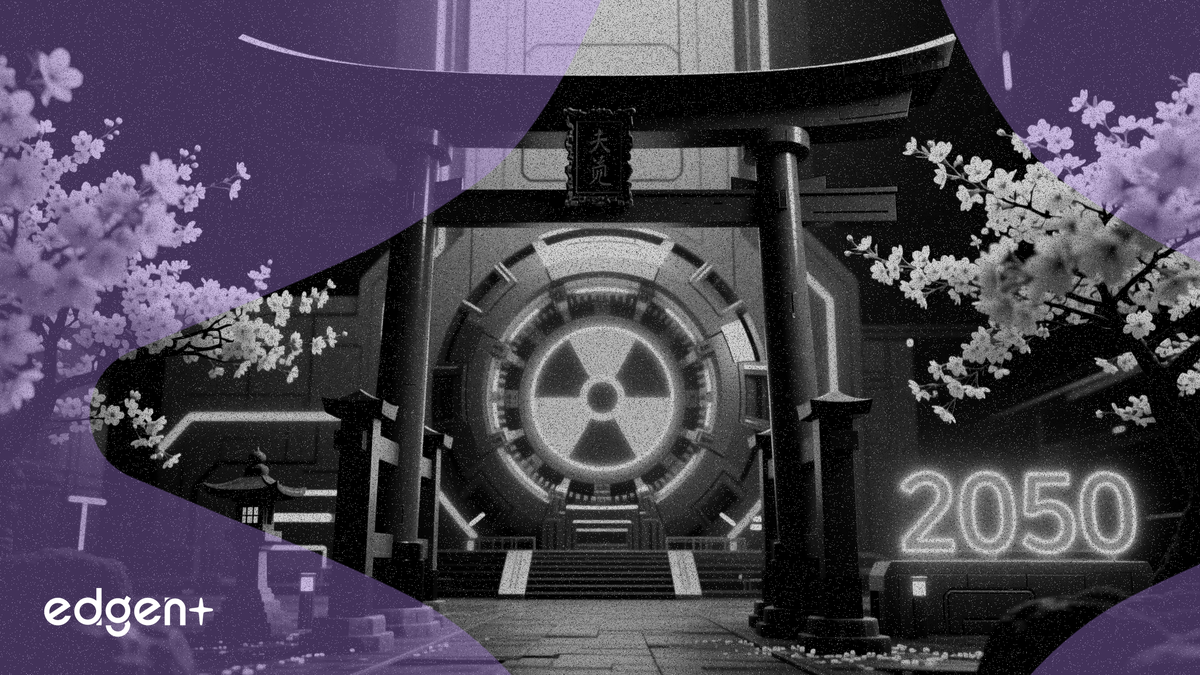
Japan plans to rebuild as many as 14 ageing nuclear reactors by the 2050s, a dramatic acceleration of atomic energy policy that would reshape the nation's power mix and cut its reliance on imported fossil fuels.
Japan plans to rebuild between two and five ageing nuclear reactors by the 2040s and as many as 11 to 14 by the 2050s as it seeks to secure stable power supply, public broadcaster NHK reported, citing a draft policy to be presented Friday by the Ministry of Economy, Trade and Industry.
"The proposal reflects a shift toward greater reliance on atomic energy to help meet rising power demand and reduce costly fuel imports," the draft policy states, according to NHK. The government aims to improve predictability for utilities by setting concrete replacement targets, the broadcaster said.
Japan shut all 54 of its operating reactors after the 2011 Fukushima nuclear disaster. Of the 33 units that remain operable, 15 have been restarted. Many are approaching or exceeding their 60-year operational lifespans, raising concerns about a future decline in nuclear capacity even as restarts continue. Under the current energy plan, Japan aims to raise nuclear's share of electricity generation to around 20 percent by fiscal 2040, up from 9.4 percent in fiscal 2024.
The policy shift comes as electricity demand is expected to rise sharply, driven by data centers for artificial intelligence. Japan's nuclear fleet has been operating well below its potential, and without new builds or replacements, the country would face a growing supply gap. The draft policy is scheduled to be discussed Friday before formal adoption at a ministerial meeting later this summer, NHK said.
Replacing an Ageing Fleet
Japan's nuclear reactors were built mostly in the 1970s and 1980s, and many are approaching the end of their design lives. The government's previous energy policy, revised last year, maximized the use of existing nuclear plants but did not set targets for replacing retired units. The new draft addresses that gap by specifying replacement numbers across two time horizons.
The 2-to-5 reactor target for the 2040s represents a near-term replacement cycle for units that will reach end-of-life in the next 15 years. The 11-to-14 target for the 2050s signals a longer-term commitment to nuclear as a baseload power source, contingent on regulatory approvals, construction timelines, and public acceptance.
Investment Implications
For Japanese utilities, the plan provides a clearer regulatory roadmap for capital allocation. Tokyo Electric Power Co., which operates the Fukushima Daiichi site, and Kansai Electric Power Co. are among the companies that could benefit from a structured replacement program. Nuclear equipment suppliers such as Mitsubishi Heavy Industries and Toshiba Corp. may see long-term demand for reactor components and maintenance services.
The policy also has implications for Japan's energy import bill. The country is the world's largest importer of liquefied natural gas, and a sustained nuclear rebuild could reduce LNG procurement over time, potentially weighing on Asian spot prices. Japan's utilities trade at a discount to global peers, partly due to uncertainty around nuclear restart timelines and replacement costs. A binding government target reduces some of that uncertainty, though execution risk remains high given construction cost overruns and regulatory hurdles seen in other markets.
This article is for informational purposes only and does not constitute investment advice.