
Tehran has warned of a 'devastating blow' that could push the conflict beyond the Middle East after a US military tanker was spotted at an Israeli airport on May 19.
Tehran has warned of a 'devastating blow' that could push the conflict beyond the Middle East after a US military tanker was spotted at an Israeli airport on May 19.
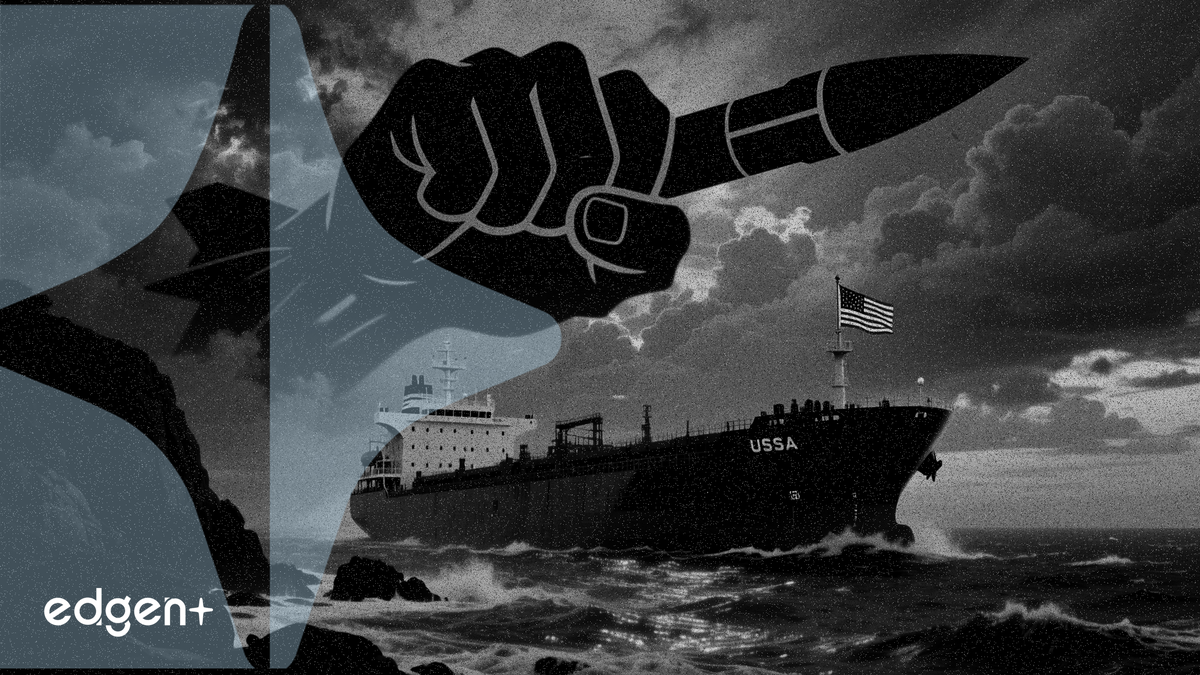
Global markets are on high alert as escalating rhetoric between Iran and the United States threatens to spill over into a direct military confrontation. The sighting of a US military refueling tanker at Israel's Ben Gurion Airport on May 19, followed by stark warnings from Tehran, has intensified fears of a conflict that could severely disrupt global energy supplies and trigger a significant risk-off event in financial markets.
"If the aggressions against Iran are repeated, Iran will deliver a devastating blow, and the response will occur in unexpected places for the US and Israel," the Islamic Revolutionary Guard Corps (IRGC) said in a statement on May 20, according to CCTV. This marked a significant hardening of Iran's official stance, with the military vowing to demonstrate its strength on a "real battlefield" rather than through mere statements.
The military posturing follows a series of moves by Washington. The presence of a US KC-135 Stratotanker at a civilian airport near Tel Aviv fueled speculation that joint US-Israeli military preparations for a strike on Iran were complete. Adding to the tension, US President Donald Trump told media at the White House on May 19 that the US could deliver another "heavy blow" to Iran. According to reports from Israel's Channel 13, high-level officials believe Trump is still inclined to authorize military action.
A wider conflict in the Middle East directly threatens the Strait of Hormuz, a critical chokepoint through which approximately 21 percent of global petroleum liquids pass daily. Any disruption would likely cause a sharp spike in crude oil prices, feeding global inflationary pressures and forcing central banks to reconsider their monetary policy paths. This would likely lead to a broad sell-off in equities and a flight to safe-haven assets such as gold and the US dollar.
The escalation comes after Trump said he had delayed a previously planned strike at the request of three Gulf nations to allow a brief window for negotiations. He said he would allow "at least two to three days" for talks, reportedly mediated by Pakistan, to proceed.
However, Iranian officials have dismissed these overtures as disingenuous. Iran's Deputy Foreign Minister, Kazem Gharibabadi, stated on social media that the US was cloaking threats under the guise of a "peace opportunity." He accused the US of claiming to halt attacks to give negotiations a chance while simultaneously threatening a "massive attack at any moment."
The heightened uncertainty is already weighing on risk assets. While signs of de-escalation in the past have provided temporary relief rallies for speculative assets like cryptocurrencies, the current environment is suppressing risk appetite. Periods of intense military uncertainty have historically reduced activity across decentralized finance (DeFi) as investors prioritize capital preservation, a trend that would likely accelerate if tensions boil over into open conflict.
This article is for informational purposes only and does not constitute investment advice.
