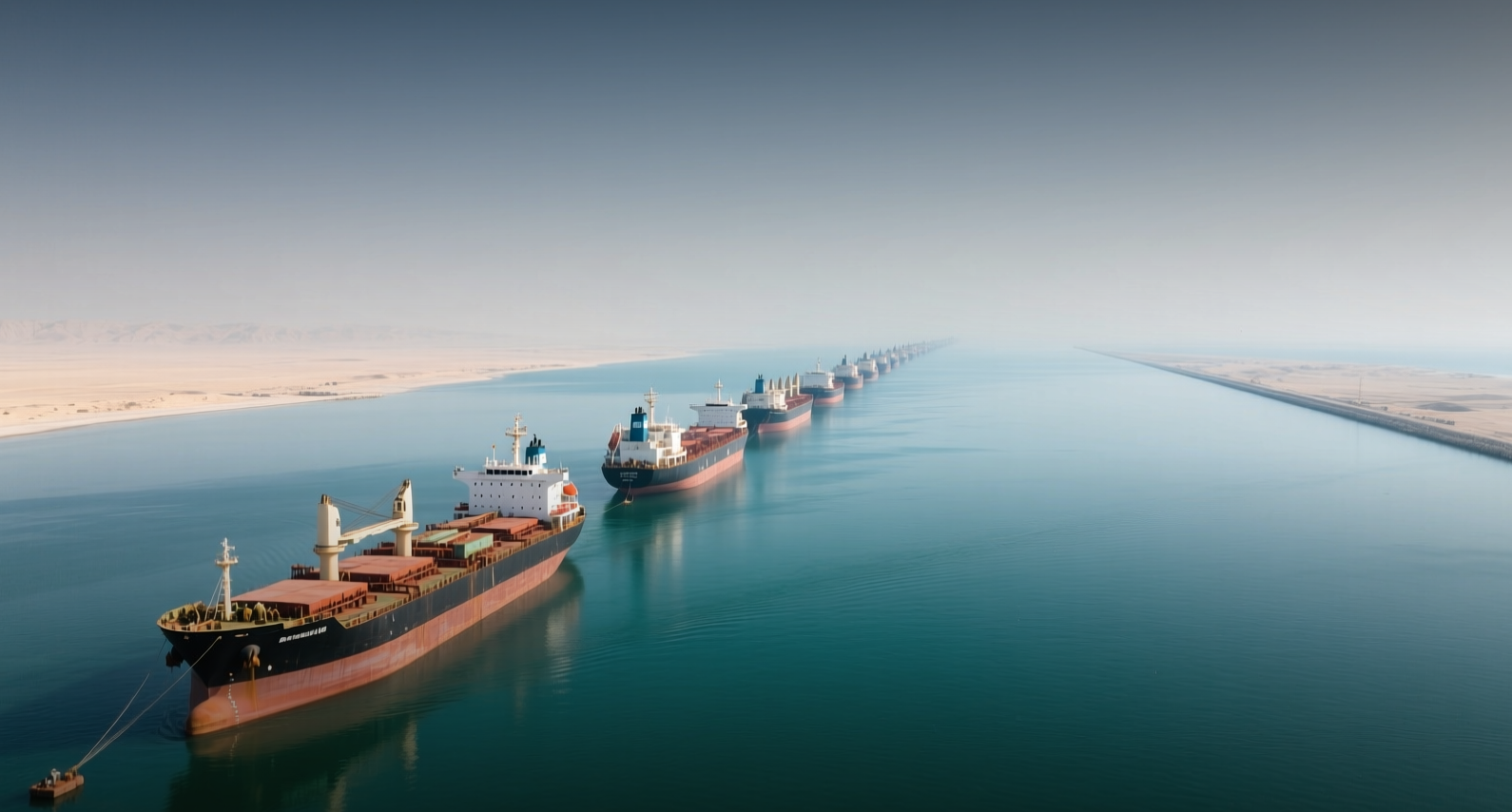
Iran told the United States it will reopen the Strait of Hormuz only after Washington lifts its naval blockade, releases all frozen Iranian assets and ends fighting on every regional front — terms delivered Tuesday in the first direct US-Iran talks since June.
Foreign Minister Abbas Araghchi conveyed the conditions to US Special Envoy Steve Witkoff on the sidelines of the 81st UN General Assembly in New York, according to Iranian state media. Witkoff's request for the meeting was accepted specifically to transmit Tehran's terms, the reports said, and the envoy told reporters afterward he "felt good" about the exchange.
President Donald Trump, speaking at the UN during a meeting with Ukrainian President Volodymyr Zelenskyy, called the three-hour session "very productive" and said a follow-up is scheduled. He did not disclose the agenda or a date. Trump's son-in-law Jared Kushner also attended, alongside Witkoff.
The gap between the two positions is the whole story for crude. Iran's demands are front-loaded and immediate; Trump's timetable is not. In the same UNGA address, he said a deal ending the conflict is possible after the November US midterm elections, adding that Iran is "waiting to see" how he performs at the ballot — making US domestic politics an explicit scheduling variable for a negotiation that sets the price of seaborne oil.
The barrel math behind the three conditions
Roughly a fifth of global oil consumption moves through the Strait of Hormuz, the chokepoint between the Persian Gulf and the Gulf of Oman. Any credible path to reopening it strips a supply premium out of Brent crude; any collapse in the talks puts it back. That asymmetry is why a three-hour diplomatic meeting in New York moved the conversation more than the rhetoric surrounding it.
A senior Iranian official said Tehran could reopen the strait within days if the US eased military pressure and lifted its blockade on Iranian ports, a far shorter timeline than Trump's post-midterm framing implies. The blockade itself is the operative variable: it is the mechanism that has kept Iranian barrels off the water, and its removal is the first of the three conditions rather than a bargaining chip held for later.
Trump paired the diplomacy with pressure, saying Washington is "completely isolating Iran financially" and warning that "there will come a point when it's too late, and we will no longer have the option of allowing them to survive as a nation." He also defended the US-Israeli strikes on Iran launched in late February and repeated that Tehran cannot be permitted a nuclear weapon.
That combination — an offer to talk and a threat to destroy — is the pattern that has kept a geopolitical risk premium embedded in crude since the February escalation. Traders have learned to price the rhetoric and the diplomacy simultaneously rather than treating either as decisive.
A timetable set in Washington, not Tehran
The midterm linkage is the detail with the longest half-life. By tying the deal's timing to his own electoral performance, Trump has converted a security negotiation into a function of US domestic politics, which pushes the realistic window for any agreement past November. Iran's three conditions, by contrast, are written as immediate actions — blockade lifted, assets unfrozen, wars ended — with no phased structure attached.
The last time Washington and Tehran sat down directly was in June, and that round produced no reopening of the strait. The precedent matters less for what it achieved than for what it signals about durability: engagement without a mechanism has not, so far, translated into barrels moving.
The near-term test comes Wednesday, when Iranian President Masoud Pezeshkian addresses the UNGA general debate. He has said he will "firmly defend" Iran's position and call for world peace, stability and respect for national sovereignty — language that will be read in oil markets for whether Tehran is holding the three conditions as a package or signaling room on the sequencing.
For now the premium stays. A follow-up meeting with no date and a deal window set after November give crude traders no reason to remove the Hormuz risk, and every reason to keep it priced until either the blockade moves or the talks break.
This article is for informational purposes only and does not constitute investment advice.