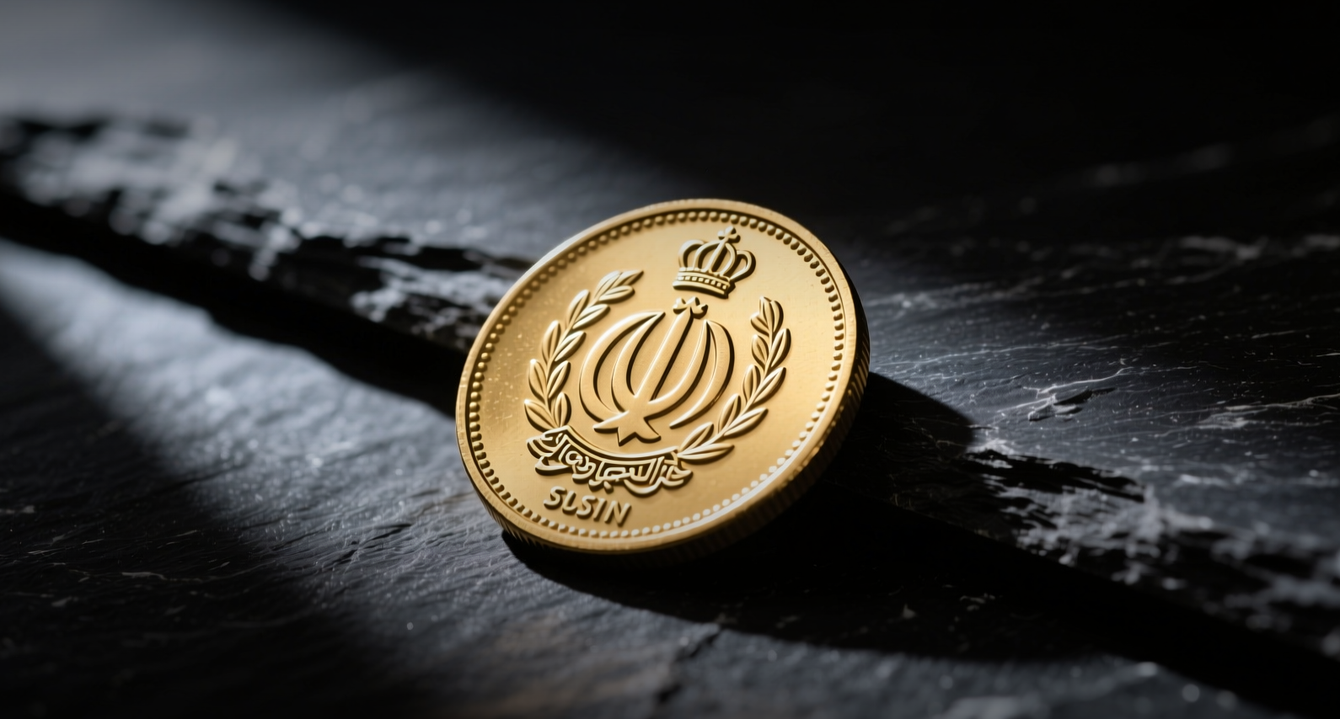
Tehran's refusal to negotiate its missile program threatens to unravel a fragile US-Iran detente just as oil tankers return to the Strait of Hormuz.
Iran's Foreign Ministry said its missile program has never been part of negotiations, hardening Tehran's stance just as a 60-day US sanctions waiver allows oil exports to resume and tanker traffic returns to the Strait of Hormuz.
"The missile question was never on the table, and it will not be discussed in any format," the spokesperson said, according to state media.
The statement came as Brent crude fell 3.2% to $77.52 a barrel and West Texas Intermediate dropped 2.6% to $73.86, with 71 vessels transiting the Strait over the weekend after the US Treasury issued a temporary license waiving sanctions on Iranian oil production, delivery and sales. Before the war began Feb. 28, 100 to 130 vessels passed through the waterway daily.
The standoff tests whether the US-Iran memorandum signed last week can survive its first major hurdle, with Tehran's parliamentary speaker Mohammad Bagher Qalibaf framing negotiation as "the continuation of the struggle" even as both sides claim progress on reopening the channel that handles about 21% of global oil trade.
Oil Revival and Military Spending Risks
Iran's oil exports have surged following the temporary easing of US restrictions, with reports indicating millions of barrels shipped within days of the understanding. The development is being closely watched by analysts who say increased revenue could strengthen Tehran's economy and potentially accelerate efforts to rebuild military capabilities, including its ballistic missile program.
The last time Iran faced comparable sanctions relief — during the 2015 Joint Comprehensive Plan of Action — its oil exports rose to about 2.5 million barrels per day within 18 months, generating tens of billions in additional revenue before the US withdrew in 2018. The current 60-day license creates a similar window, though with far shorter duration and explicit conditions tied to IAEA inspector access and freedom of navigation through Hormuz.
Treasury Secretary Scott Bessent said the license forms part of the framework reached during ongoing talks in Switzerland, with Tehran pledging free transit through the Strait and access for international nuclear inspectors. The license notably allows Iranian oil to be imported into the US, which has not purchased significant volumes of Iranian crude since the 1990s.
Diplomatic Fault Lines
President Donald Trump said he remains willing to take military action if Tehran does not honor the agreement, stating that if Iran "doesn't live up to their agreement" or is "not behaving," he will "do what I have to do." Trump dismissed the idea that Iran holds leverage, arguing the country's military and economic position has been badly damaged by the campaign that began in late February.
Vice President JD Vance, who led the US delegation in Switzerland, said the talks created a "good foundation for a successful final deal" and suggested the US could unfreeze Iranian assets for purchases of American agricultural products through a mechanism backed by Qatar. The 60-day negotiation period covers key issues including the future of Tehran's nuclear program, which the International Atomic Energy Agency has said enriches uranium to 60% purity — close to weapons-grade.
On the Iranian side, Qalibaf framed diplomacy as an extension of conflict rather than an alternative. He said battlefield gains do not become lasting political achievements without negotiation, but added that talks are "a method of fight." His comments, alongside the missile program statement, suggest Iran's leadership is balancing engagement with domestic hardline constituencies that view any concession as a betrayal of the Islamic Republic's founding principles.
Strait of Hormuz and Regional Stability
Iranian negotiators Qalibaf and Foreign Minister Abbas Araghchi traveled to Oman after the Swiss talks to discuss consolidating shipping in the Strait of Hormuz. Tehran says a new communication mechanism with the US will help prevent incidents in the waterway, while insisting the Strait will remain under Iranian management in compliance with international law.
The interim agreement to end the war was supposed to reopen the channel. While dozens of ships passed through over the weekend, the main route remains mined and closed, forcing vessels to use smaller northern and southern passages through Iranian and Omani waters respectively.
The missile program statement also carries implications for Lebanon, where a ceasefire between Israel and Hezbollah appeared to be holding as of Monday. Iran has linked progress on Lebanon to any broader deal, and Israeli officials have expressed concern that the emerging US-Iran understanding could strengthen Tehran's influence and limit Israel's ability to act against Hezbollah. The UN peacekeeping force UNIFIL reported no detected trajectories from either side since Saturday — the longest lull since the latest Israel-Hezbollah war began March 2.
This article is for informational purposes only and does not constitute investment advice.