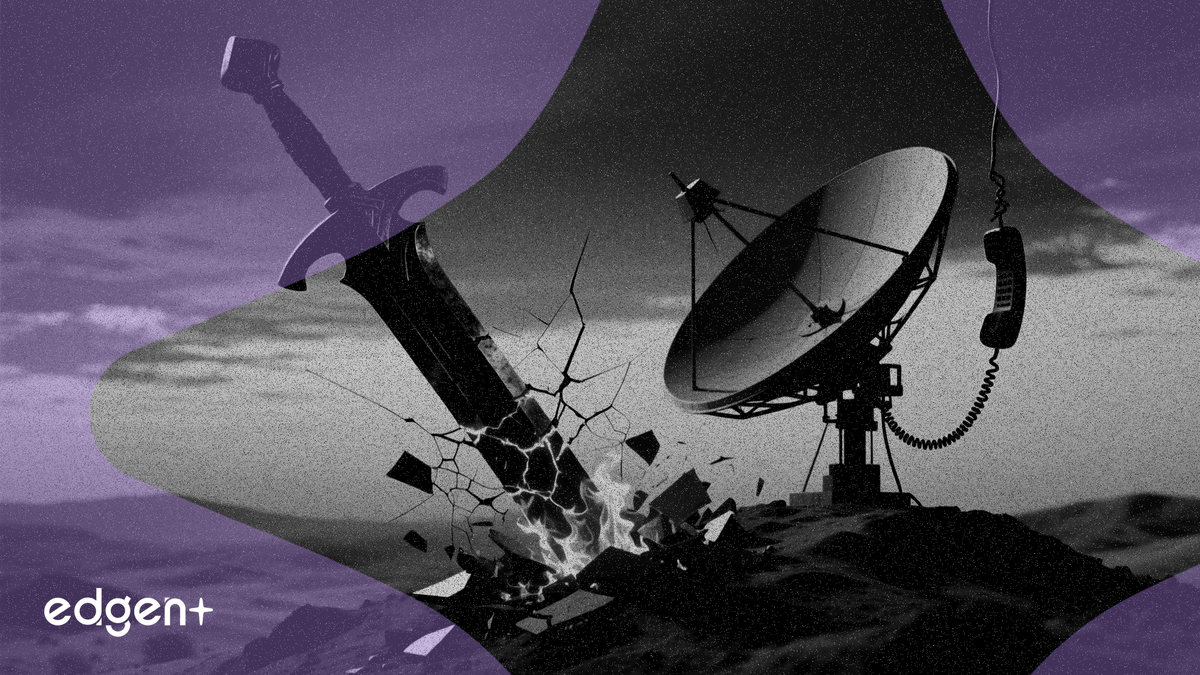
Iran's ballistic missile salvo against Israel marks the first direct attack since an April ceasefire, threatening to unravel months of fragile calm across the Middle East.
Iran launched ballistic missiles at Israel on Sunday evening, the first such direct attack since an April 8 ceasefire halted major hostilities between the two countries. The Israeli military said its air defense systems intercepted all initial launches, though additional salvos were identified shortly after, sending air raid sirens across multiple regions and prompting authorities to shutter schools nationwide on Monday.
"The Air Force has so far intercepted all missiles launched from Iran," the Israeli military said in a statement. "The Aerial Defense Array is currently identifying and intercepting threats." Iran's Revolutionary Guards said they targeted Israel's Ramat David Air Base with ballistic missiles fired by the IRGC Aerospace Force, warning that the attack was a "warning" of a broader response encompassing all US and Israeli targets in the region if "aggressions" continue.
The missile barrage came hours after Israeli airstrikes hit Beirut's southern Dahiyeh district, a Hezbollah stronghold, killing two people and wounding 20 others, according to Lebanon's health ministry. Israeli Prime Minister Benjamin Netanyahu's office said the strike targeted a militant command center in response to Hezbollah fire toward Israeli territory. Iran's parliament speaker, Mohammad Bagher Ghalibaf, accused the United States of having given a "green light" for the Beirut attack, adding that it "turns the bases and assets of America and the regime in the region into legitimate targets."
The escalation places the region on edge as the conflict reaches its 100th day. The April ceasefire had halted direct Iran-Israel hostilities but efforts to convert the truce into a permanent settlement repeatedly stalled. Iran had insisted any deal must also halt Israel's parallel campaign in Lebanon, where Israeli forces have seized roughly a fifth of the country in a ground invasion and continue daily strikes on southern Lebanon despite the ceasefire.
Oil Markets Face Renewed Supply Risk
The Strait of Hormuz, through which about 21 percent of global oil trade passes, sits at the center of the risk calculus. The last time Iran launched a direct strike on Israel — in April 2026, before the ceasefire — Brent crude surged more than 5 percent in a single session as traders priced in potential supply disruptions. With the conflict now entering its fourth month, the risk premium embedded in crude prices could widen significantly if the Strait of Hormuz faces any threat of closure or if Iran expands its targeting to Gulf state infrastructure.
Gold, the traditional safe-haven asset, is likely to attract renewed bids as investors hedge against further escalation. The VIX, Wall Street's fear gauge, could also spike as the uncertainty surrounding the conflict's trajectory weighs on equity markets. Defense sector stocks across the US and Europe may see continued inflows as governments reassess military posture in the region.
Trump Calls for De-escalation
Former US President Donald Trump, in a Fox News interview on Sunday, urged Iran to halt its military action and return to negotiations. "My advice to Iran is: You've launched your missiles, that's enough. Come back to the negotiating table and reach a deal," Trump said. His call for de-escalation introduces a diplomatic variable that could either soothe markets if talks gain traction or leave investors in limbo if the situation deteriorates further.
The US is reportedly exploring the use of frozen Iranian assets to fund reconstruction for Gulf allies, according to a source familiar with the matter, signaling that Washington is preparing for a protracted conflict even as it pursues diplomatic off-ramps.
Iran's military central command warned that any Israeli response would trigger "more crushing and regrettable blows," while General Ali Abdollahi, head of the Khatam Al-Anbiya command, demanded Israel halt its attacks on southern Lebanon. "The Israeli army must stop its attacks on southern Lebanon and the suburbs, and if it expands its attacks to that region or responds to Iran's action, it will face more devastating and regrettable blows," he said.
The coming days will determine whether the conflict widens into a broader regional war or whether diplomatic channels — including Trump's direct appeal — can pull both sides back from the brink. For markets, the path of oil prices, gold, and the dollar in the next 48 hours will offer the clearest signal of how investors are pricing the risk.
This article is for informational purposes only and does not constitute investment advice.