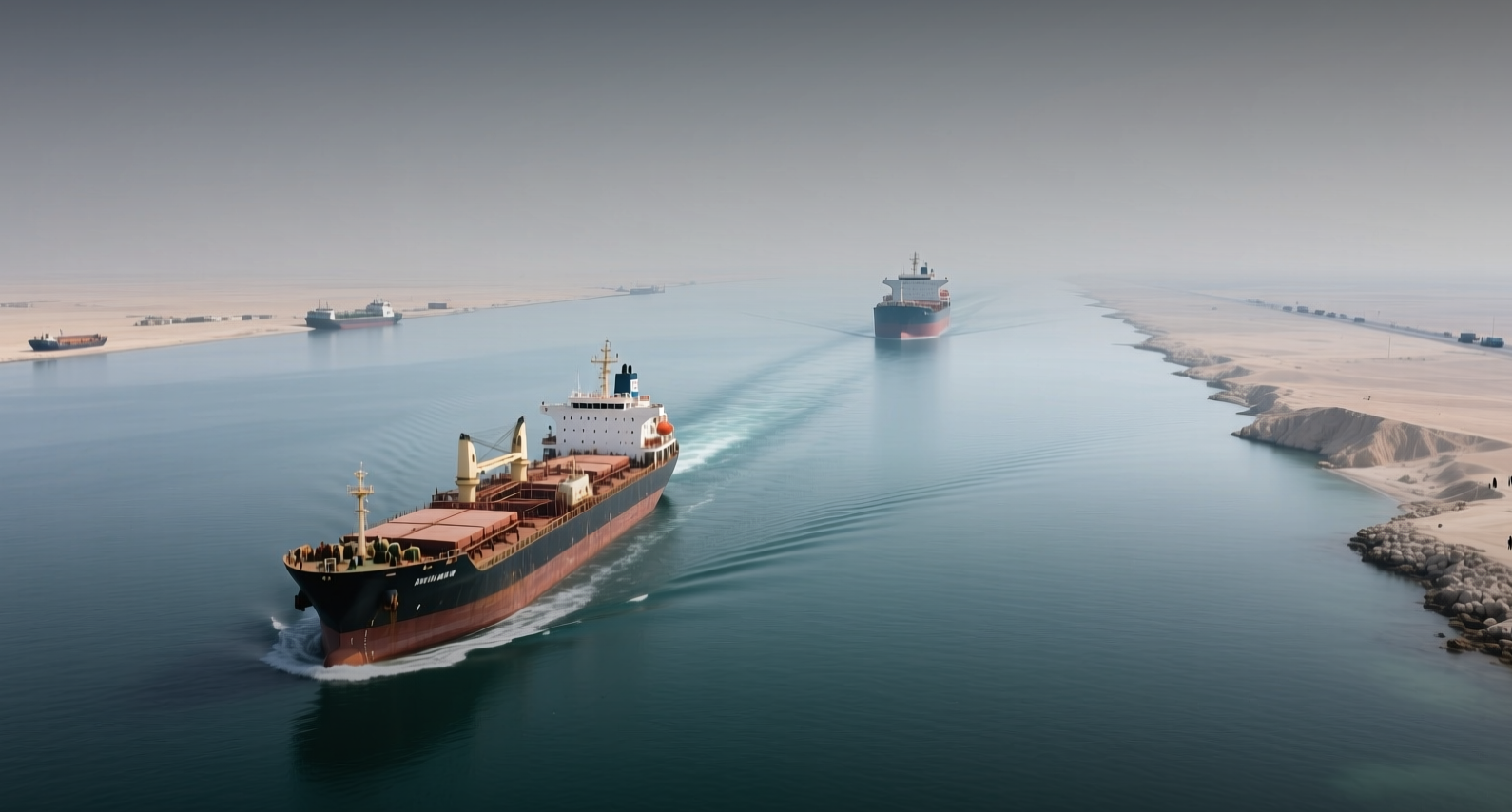
Iran's army air defense forces shot down an advanced "orbital vehicle" drone over the Strait of Hormuz at 18:30 local time on Sept. 20, using a domestically developed system, the military said in an announcement carried by CCTV. No operator, casualty figure or launch origin was disclosed.
The shootdown lands on the single most price-sensitive piece of geography in energy markets. Roughly 20 percent of the world's oil moves through the strait, and traffic there collapsed by more than 90 percent after the February 2026 outbreak of the U.S.-Israel-Iran war, according to Britannica's account of the conflict. Brent crude averaged $103 a barrel in March 2026, up from about $70 immediately before the war — a 47 percent move that remains the reference case for how fast Hormuz headlines transmit into the barrel.
"The market has already been taught what a Hormuz headline costs, so the reflex bid is faster than the analysis," said Elena Fischer, geopolitical risk analyst at Edgen. "What is missing here is attribution. Without an operator, you cannot size the retaliation, and without a retaliation you cannot size the premium."
The information vacuum is the trade. Iran's statement named a system and a time but not the drone's owner, its mission or whether anything was struck on the ground — the three inputs that would let traders distinguish a stray reconnaissance asset from a deliberate penetration of Iranian airspace. That gap leaves positioning exposed to the next headline in either direction, and it is why the initial move is likely to be concentrated in instruments that reprice on probability rather than on confirmed supply loss.
The second-order channel is where the damage compounds. Gulf war-risk insurance premiums and tanker freight rates reprice on incident frequency, not on confirmed intent, so a single unclaimed shootdown can lift the cost of moving a barrel without removing a single barrel from the water. During the 2026 conflict, shipping lines rerouted away from the strait before Iran had even threatened to fire on transiting vessels, and the U.S. Navy later established an escorted corridor along the Omani coast carrying 15 to 20 tankers and up to 10 million barrels a day — roughly half the prewar volume. Any renewed insurance repricing would hit that corridor's economics first.
Safe-haven demand is the third leg. Gold, the dollar and the VIX are the instruments that respond to escalation probability rather than to realized flows, and they are the ones that moved hardest during the war's opening weeks, when flights in and out of the Middle East came to a near-complete stop and Dubai International Airport halted operations after drone damage. Equities carry the mirror-image exposure: Gulf-listed carriers, regional banks and Asian refiners dependent on Persian Gulf crude are the first to absorb a risk-premium reset.
The precedent cuts both ways. Iran's July 2026 strikes on three commercial vessels that bypassed its preapproved route ended a memorandum of understanding signed on June 17 and triggered about 140 U.S. targets hit with more than 300 strikes within a week. That sequence took roughly seven days to move from a maritime incident to a full exchange of fire — a timeline that sets the clock on how long markets have to price this one.
What happens next depends on a single disclosure. If the drone is attributed to a U.S. or Gulf state asset, the risk premium in crude, freight and insurance widens and gold extends; if it is identified as a commercial or third-country platform, the move fades within days. Iran's air defense command has not scheduled a follow-up briefing, and no party has claimed the aircraft.
This article is for informational purposes only and does not constitute investment advice.