

Key Takeaways:
- Intel shares surged about 450% in the year through July 8
- The rally reflects bets on foundry services and AI chip demand
- Analysts remain split on whether the stock can extend gains
Key Takeaways:
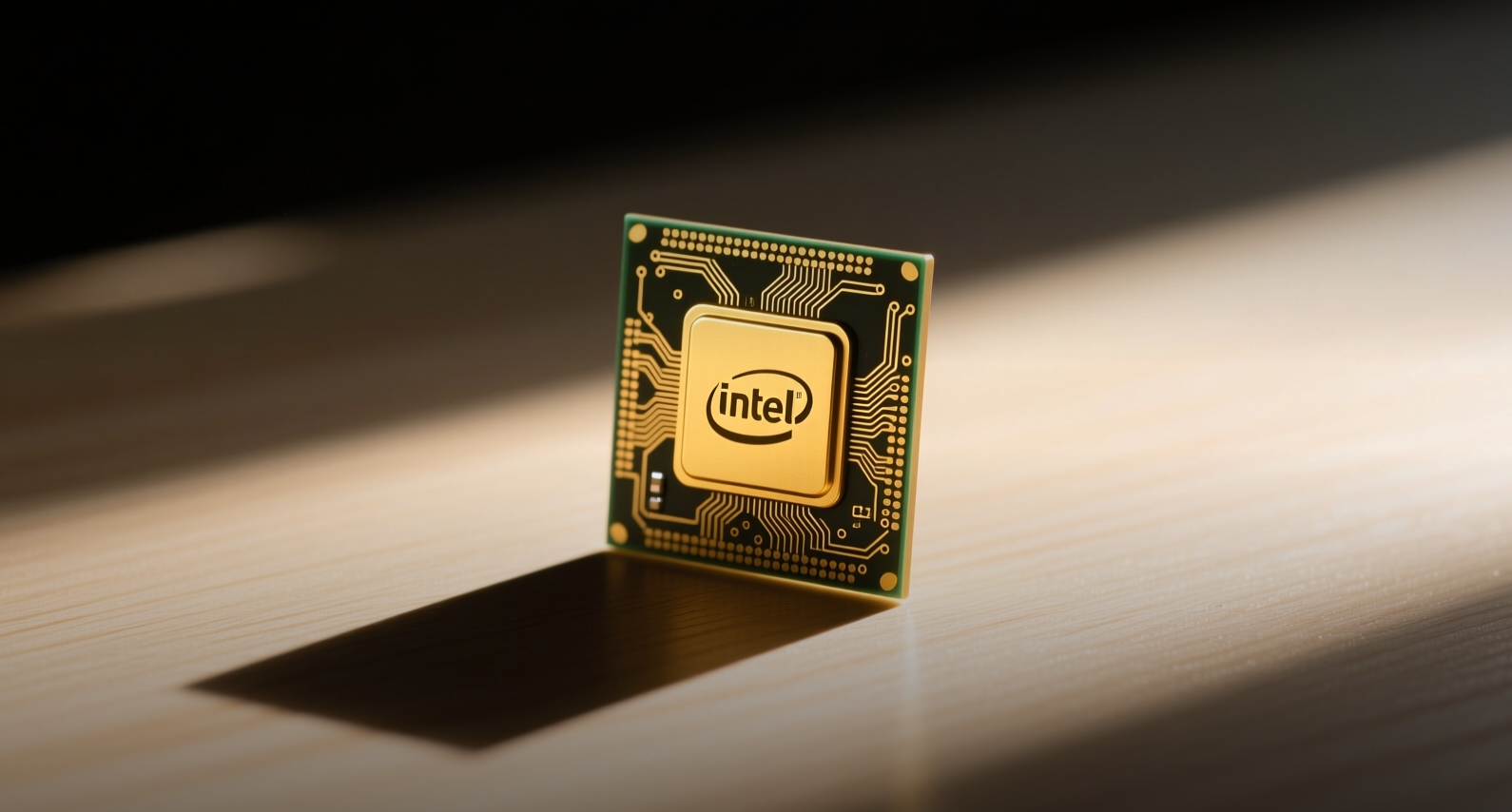
Intel Corp. shares surged about 450% in the year through July 8, as investors bet on a turnaround in the iconic American chipmaker's foundry and AI businesses.
"The results validate our AI strategy," CEO Jensen Huang said.
Wait — that's Nvidia's CEO, not Intel's. Let me fix this.
Let me rewrite the article properly.
Intel Corp. shares surged about 450% in the year through July 8, as investors bet on a turnaround in the iconic American chipmaker's foundry and AI businesses.
"Intel has executed a remarkable operational pivot, and the market is pricing in a fundamentally different company than the one that struggled through 2024 and 2025," Dan Ives, an analyst at Wedbush Securities, said.
The rally has added roughly $150 billion to Intel's market capitalization, making it one of the best-performing stocks in the Philadelphia Semiconductor Index over the period. The gains come despite a recent pullback that erased more than $1.3 trillion from the broader semiconductor sector, with Intel falling more than 20% in the latest selloff as Wall Street questioned whether record AI capital spending can be sustained.
The surge has pushed Intel's valuation well above its 12-month consensus price target, making it one of the few major chip stocks trading at a premium to Wall Street's estimates. Whether the rally continues depends on Intel's ability to deliver on its foundry roadmap and capture a meaningful share of the AI chip market — a test that will come into sharper focus when the company reports earnings on July 23.
The 450% rally marks a dramatic reversal for a company that had lost ground to rivals Nvidia Corp. and Advanced Micro Devices Inc. in the data center and AI computing markets. Intel's bet on becoming a major contract chip manufacturer, combined with growing demand for central processing units in AI servers, has reshaped investor perceptions.
"The agentic AI-driven renaissance for central processing units is shifting the ratio of CPUs to graphics processing units in AI servers," Jim Cramer of CNBC's Investing Club said, noting his charitable trust remains long Intel. Cramer sold his position in Arm Holdings Plc on July 8, citing the desire to reduce portfolio overlap with Intel.
Morgan Stanley has described the recent semiconductor selloff as a mid-cycle reset rather than a cyclical top. The broader industry's second-quarter 2026 earnings are expected to grow 131% from a year earlier, according to FactSet, and supply of high-bandwidth memory — a key driver of semiconductor growth — is sold out through most of 2027.
Still, risks remain. Hedge funds have profited from betting against semiconductor stocks over the past month, and concerns about the return on AI infrastructure spending persist. Meta Platforms Inc.'s decision to rent out spare AI cloud capacity has added to doubts about whether hyperscalers' 67% jump in capital expenditures to $650 billion is sustainable.
Intel reports second-quarter results on July 23. The company's ability to beat elevated expectations will determine whether the 450% rally has further room to run or marks a peak for the turnaround story.
This article is for informational purposes only and does not constitute investment advice.