


Apple's decision to co-develop chips with Intel marks the most significant reshoring of semiconductor production since the CHIPS Act.
Apple's decision to co-develop chips with Intel marks the most significant reshoring of semiconductor production since the CHIPS Act.
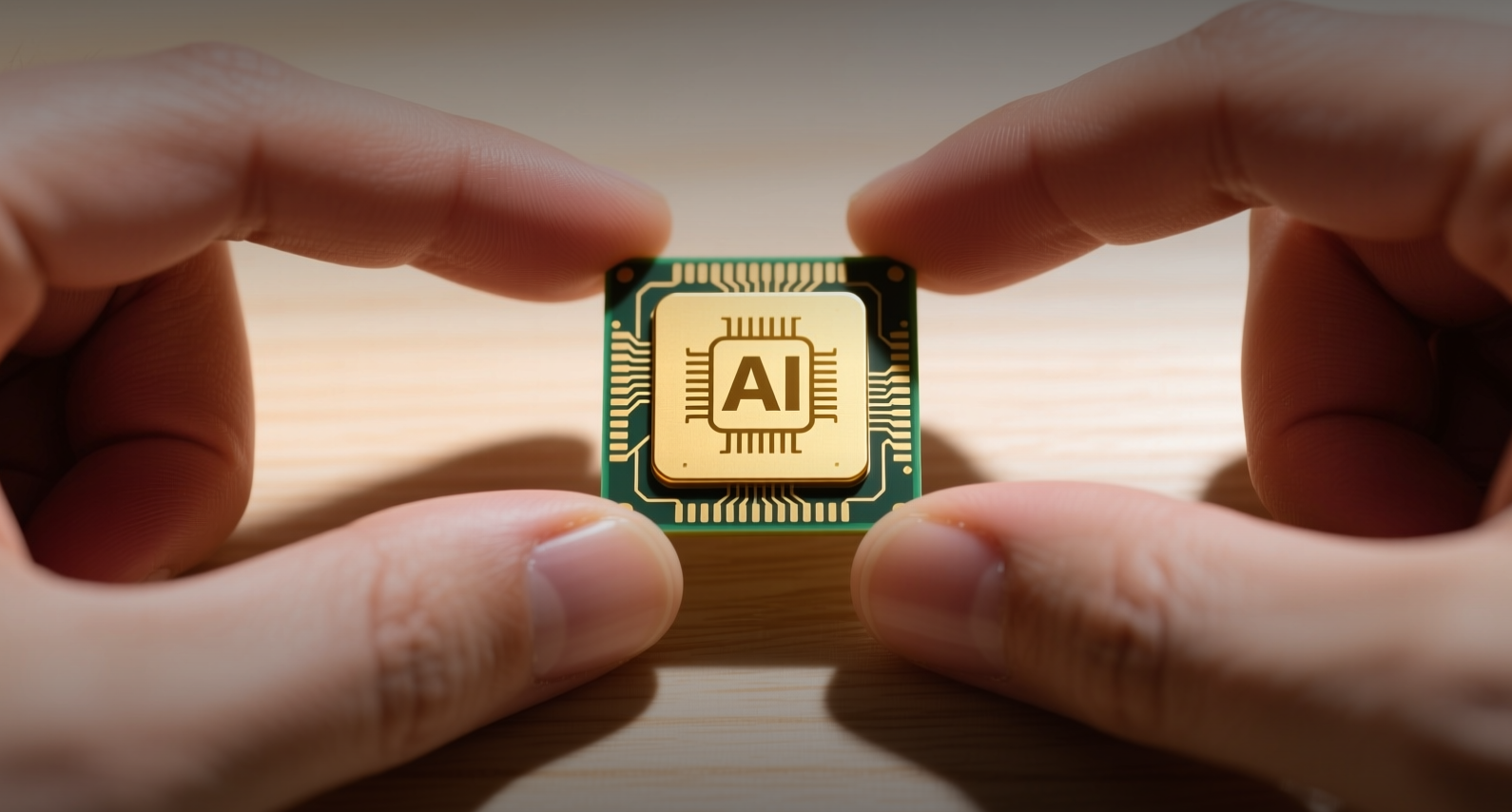
Apple's decision to co-develop chips with Intel marks the most significant reshoring of semiconductor production since the CHIPS Act.
President Donald Trump said Apple will design and manufacture chips with Intel on US soil, handing the foundry business one of the most coveted contracts in consumer electronics and sending Intel shares up 6.6% in pre-market trading.
"Apple has agreed to work with Intel to design and manufacture chips on American soil," Trump said in a Truth Social post Thursday, marking the first official government comment on a pact first reported by the Wall Street Journal in May.
The deal shifts Apple's chip supply strategy away from its near-total dependence on Taiwan Semiconductor Manufacturing Co., which produces the company's most advanced processors on its 3nm and upcoming 2nm nodes. Intel's rival 18A process — already in pilot manufacturing, the company said this week — will serve as the manufacturing platform for Apple's custom silicon, giving Intel's foundry business a marquee customer after years of lagging behind TSMC in process node development.
The partnership carries a geopolitical dimension that extends beyond the two companies. The Trump administration took a 10% stake in Intel last year and committed roughly $10 billion to expanding the chipmaker's US factory network — a position that has since appreciated to more than $50 billion, prompting Trump to say he "should have asked for more." For Intel, the contract could help close the foundry revenue gap with TSMC, which generated $19.3 billion in revenue last quarter alone.
The agreement followed nearly a year of negotiations between the two tech giants, according to people familiar with the matter. Apple's motivation to diversify stems from a capacity crunch at TSMC, where the same production lines that build Apple's A-series and M-series chips face competition from AI chipmakers including Nvidia and Advanced Micro Devices. That bottleneck pushed Apple to seek alternative manufacturing partners, and Intel's domestic infrastructure offers a strategically aligned option as Washington pushes to onshore semiconductor production.
For Intel, the Apple win supports the foundry strategy that Chief Executive Officer Pat Gelsinger has staked the company's turnaround on. Intel's foundry services business has struggled to attract major external customers since its launch, with most of its manufacturing capacity still dedicated to Intel's own products. Landing Apple — the world's most valuable company by market capitalization and the designer of the industry's most influential consumer chips — provides the credibility needed to court additional design wins from other fabless chip companies.
The deal also reshapes the competitive dynamics of the $600 billion global semiconductor market. TSMC, which has enjoyed an effective monopoly on Apple's leading-edge chip production, now faces the prospect of losing a customer that accounts for an estimated 20% of its revenue. Samsung Foundry, the other major player in advanced logic manufacturing, remains a distant third in the race to 2nm and has not secured a comparable anchor customer.
Intel shares, which have gained roughly 68% over the prior three months, are pricing in the foundry turnaround story. The Apple contract, if executed at scale, could add billions in annual foundry revenue — though Intel has not disclosed the financial terms of the agreement. Bernstein analyst Stacy Rasgon has maintained a Market-Perform rating on Intel, citing execution risk on the 18A node ramp. Apple's stock was little changed in pre-market trading.
This article is for informational purposes only and does not constitute investment advice.
