
India is preparing to send its oil tankers back through the Strait of Hormuz, a move that could ease global energy prices but tests the fragile security situation in the Middle East.
India is preparing to send its oil tankers back through the Strait of Hormuz, a move that could ease global energy prices but tests the fragile security situation in the Middle East.
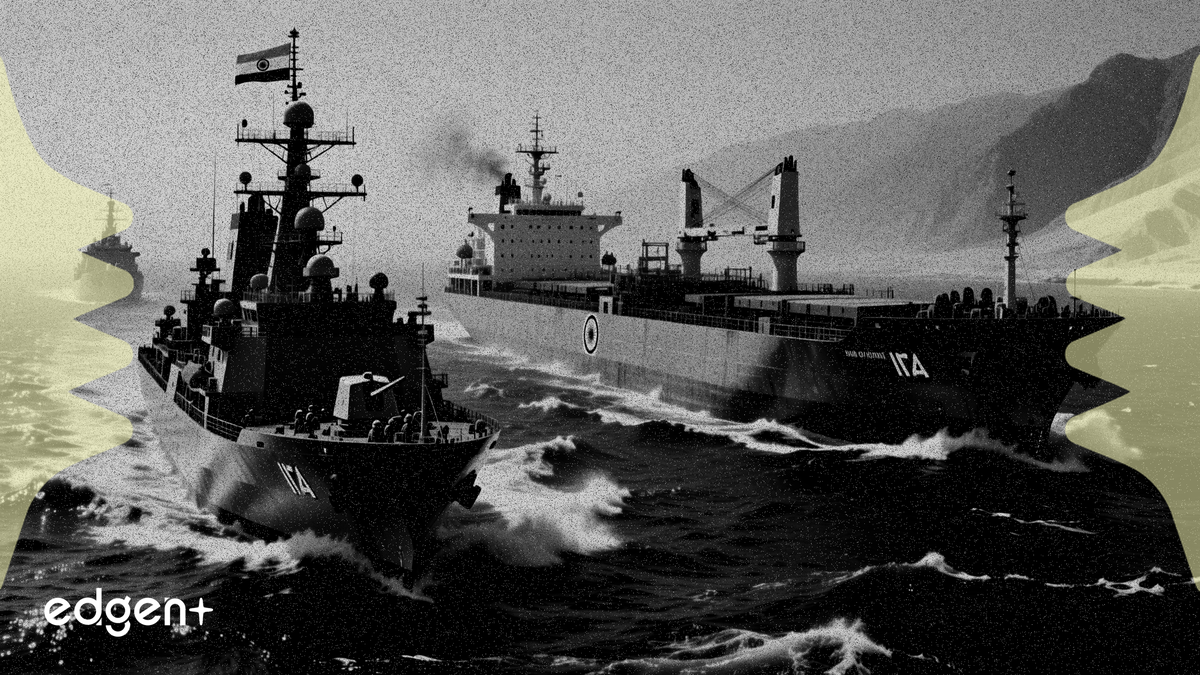
(P1) India is preparing to resume oil tanker transits through the Strait of Hormuz, a critical chokepoint that handles one-fifth of global supply, for the first time since a regional conflict halted traffic in February. The move, reported on May 20, represents a significant effort by the world's third-largest crude importer to secure its energy supplies and lower costs.
(P2) The plan is nearly finalized and awaits final government approval, according to people familiar with the matter. This diplomatic push was highlighted by a meeting last week between Indian Foreign Minister Subrahmanyam Jaishankar and his Iranian counterpart, Abbas Araghchi, during the BRICS summit in New Delhi, which was widely seen as an effort to gain clearance for the passage.
(P3) In anticipation of the resumption, India has doubled its naval warship presence in the region and increased aerial surveillance. The state-owned Shipping Corp. of India is ready to re-enter the Persian Gulf once it receives orders from refiners and final approval from the Indian Navy, which is already escorting India-bound vessels after they exit the strait.
(P4) The decision is driven by stark economic pressures, as alternative crude supplies are proving significantly more expensive and time-consuming to procure. Persistent disruptions have battered the Indian economy, with soaring energy bills and a depreciating rupee eroding the country's economic resilience and prompting public calls for fuel conservation from Prime Minister Narendra Modi.
To mitigate the substantial risks, India is advancing a comprehensive strategy on military, diplomatic, and commercial fronts. Militarily, the Indian Navy has doubled its deployment of warships to the region, providing armed escorts for Indian-flagged ships and other vessels heading to the nation's ports.
This show of force is paired with diplomatic overtures, primarily the high-level talks with Iran, the country that borders the strait's narrowest point. Commercially, the Indian government has launched a new maritime insurance program. This initiative provides continuous coverage for Indian ships and their cargoes in high-risk waters, removing a significant financial barrier for commercial operators.
India's urgency to reopen the Hormuz route stems from the high cost of inaction. While the country has increased purchases from other regions since the conflict began, it remains heavily dependent on its traditional Middle East suppliers. According to sources, these alternative cargoes have longer voyages and higher costs, directly impacting India's trade balance.
Although a small volume of non-Iranian oil has trickled through the strait since late February, the conditions for passage have been inconsistent and unclear, keeping overall flows at a fraction of pre-conflict levels. The potential reopening of this vital artery could put downward pressure on global crude benchmarks like Brent, which have remained elevated due to the supply uncertainty.
This article is for informational purposes only and does not constitute investment advice.
