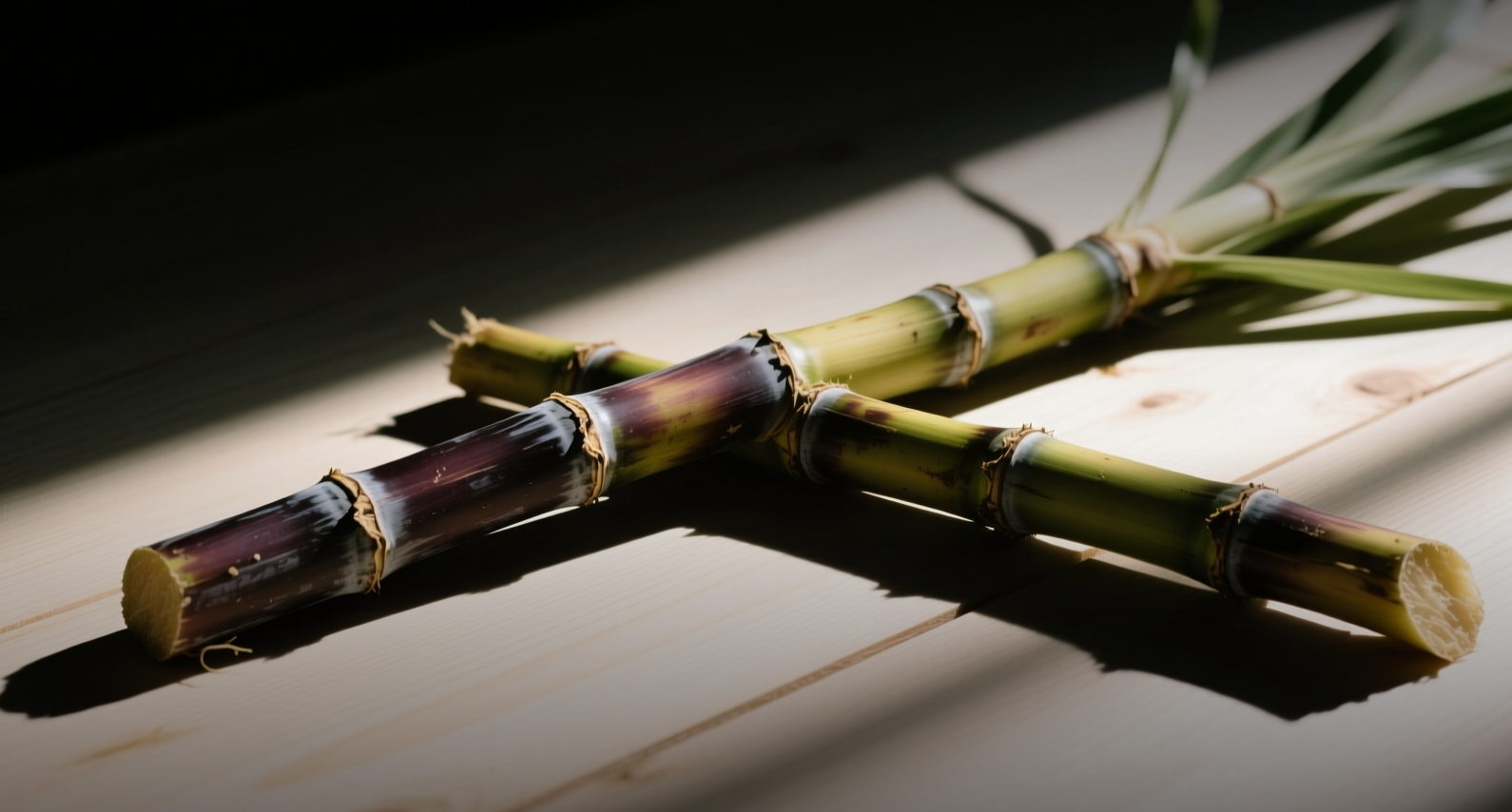
India's sugar exports are expected to vanish for at least three seasons as El Niño and ethanol policy tighten cane supplies.
India, once the world's No. 2 sugar exporter, will have little surplus for export for at least three seasons as El Niño threatens cane output and ethanol demand rises.
"Supplies are already tight in India, and now El Nino is emerging as a major risk," said Rahil Shaikh, managing director of MEIR Commodities India, a Mumbai-based trader. "If rains disappoint as forecast, cane planting will suffer and this will keep India out of the sugar export market for at least three years."
India exported 6.8 million metric tons of sugar annually on average in the five seasons through 2022-23, about 10 percent of global shipments. This season, output is forecast at 27.9 million tons, down from an earlier estimate of 30.95 million tons and below annual consumption of about 28.5 million tons, according to industry estimates. Inventories at mills at the start of the season on Oct. 1 are likely to fall to about 3.5 million tons, the lowest in more than three decades, Shaikh said.
India's prolonged absence from export markets removes a key balancing supplier as weather risks and biofuel policies reshape global sugar trade flows. The country last imported sugar in 2016-17 and 2017-18 after an El Nino-induced drought. If imports restart, it could push global prices higher, reminiscent of 2009 and 2010 when India's heavy purchases helped drive prices to nearly three times previous levels.
El Nino Clouds Cane Outlook Across Growing Regions
El Nino conditions are forecast to weaken India's monsoon rains this year to their lowest in 11 years, with June precipitation running more than 40 percent below average. Farmers have delayed planting, and some are switching to less water-intensive crops such as soybeans and pigeon peas.
"I had planned to plant long-duration cane varieties in June, but since everyone is talking about lower rains, I decided to put that plan on hold," said Sambhaji Patil, a farmer in Maharashtra's Sangli district who switched to soybeans on 2 acres.
Local authorities have started promoting alternative crops in most sugar-growing regions and restricted water supplies for irrigation. Cane acreage and availability could decline further in the 2027-28 season, said Prakash Naiknavare, managing director of the National Federation of Cooperative Sugar Factories.
Ethanol Policy Diverts Cane From Sugar Production
India is pushing for higher ethanol blending with petrol and wider adoption of flex-fuel vehicles to cut dependence on imported crude. Ethanol demand could more than double to about 30 billion liters by 2039-40 from the current 12 billion to 13 billion liters, industry estimates suggest.
India this month eliminated the production tax on petrol blended with higher levels of ethanol and launched fuel with up to 85 percent ethanol. Maruti Suzuki launched the nation's first flex-fuel passenger vehicle, while Hero MotoCorp launched a flex-fuel motorcycle.
"The trajectory for ethanol demand is incredibly strong," said Samir Somaiya, chairman and managing director of Godavari Biorefineries. "The next phase of demand evolution will be driven by the commercial rollout of flex-fuel vehicles."
Future government policies will likely support ethanol production over sugar exports, said B.B. Thombare, managing director of Natural Sugar in Maharashtra.
The twin pressures are also affecting other major producers. Top exporter Brazil is diverting more cane for ethanol, while Thailand's output could be hit by El Nino-curtailed rains. India could eventually be forced to import sugar if El Nino-related weather disruptions sharply cut cane cultivation area and output, government sources and industry officials said.
"Because of a severe El Nino and rising demand for ethanol, not only would exports from India be wiped out, but imports into India in the coming years could also become necessary," said Mohan Narang, director of K.S. Commodities, a trading house in New Delhi.
This article is for informational purposes only and does not constitute investment advice.