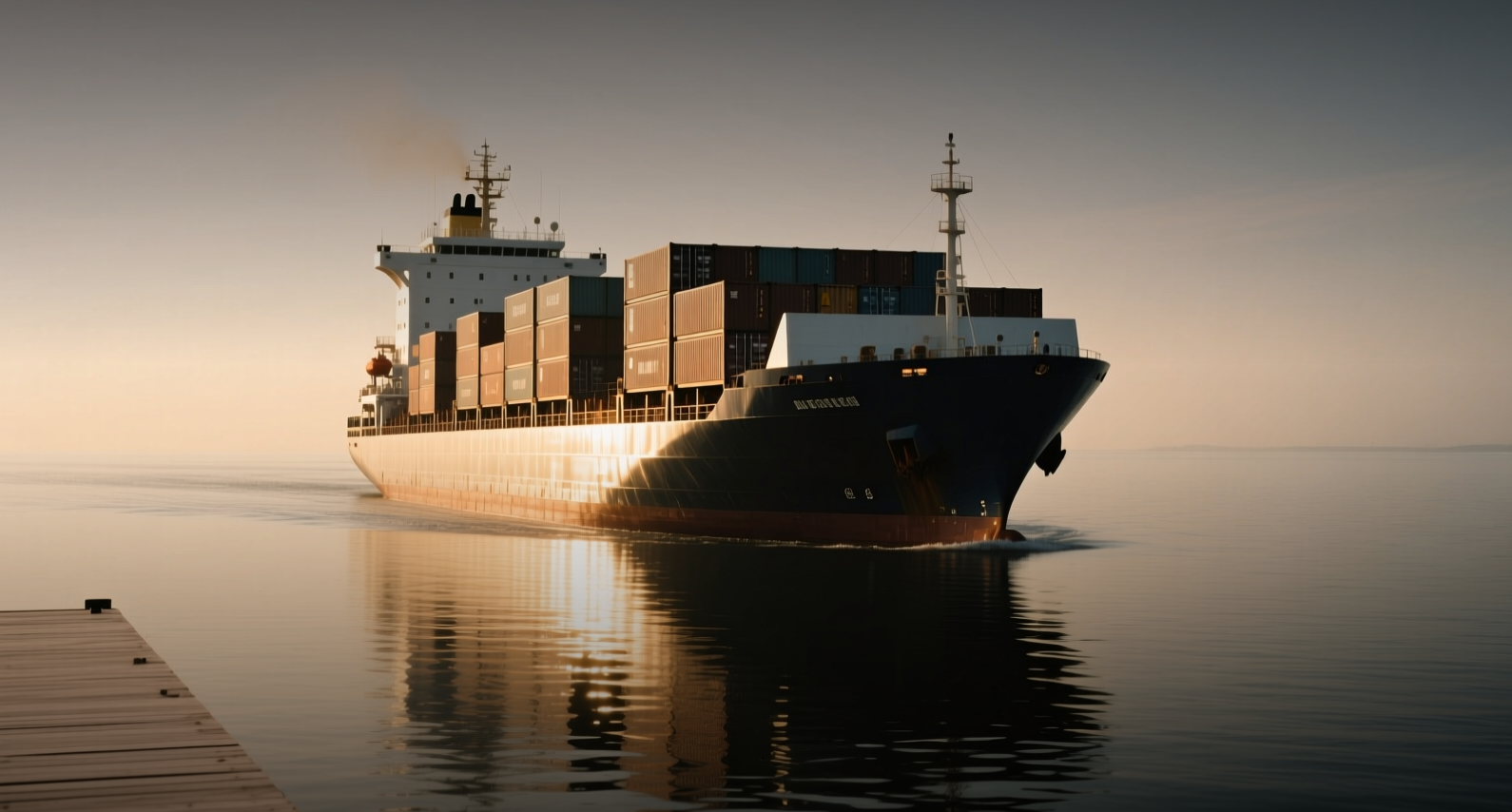
HSBC Global Investment Research raised its outlook on the global container shipping industry, forecasting industry EBIT margin will double to about 10% in the second quarter from roughly 5% in the first quarter of 2026.
"The upcycle in the global container shipping industry is stronger than expected," HSBC Global Investment Research said in a report Monday citing insights from a webinar hosted by industry expert network Linerlytica. Demand is supported by structural and broad-based factors rather than merely front-loaded shipments ahead of tariffs.
Freight rate indicators continued to move higher in late June, and shipping companies are actively pushing for rate hikes in July, HSBC said. The broker expects market conditions to last at least through August and possibly extend to September, driving sequential EBIT margin expansion from 2Q26 into 3Q26. If freight rates remain firm, margins could increase further in the third quarter, the report said.
The demand surge is not coming from traditional Chinese export goods. Apparel, footwear and toy exports were relatively weak from January to May, HSBC noted. Instead, growth is driven by demand related to artificial intelligence and data center construction, clean technology including batteries, electric vehicles and solar energy, and power infrastructure for data centers. Industry leaders such as Maersk and Hapag-Lloyd may also raise their full-year 2026 earnings guidance, the broker said.
COSCO Leads Hong Kong Shipping Stocks
Among Hong Kong-listed container shipping stocks, HSBC maintained its Buy rating on COSCO SHIP HOLD (01919.HK) with a price target of HKD 17.2. The broker believes the company's recent earnings trajectory and improving industry structure support a higher valuation, while a 50% payout ratio for fiscal 2026 through 2028 provides a clear shareholder return framework.
HSBC maintained Hold ratings on OOIL (00316.HK) and SITC (01308.HK), with price targets unchanged at HKD 130 and HKD 31, respectively.
Key downside risks include easing tensions in the Red Sea and the release of additional capacity, which could pressure freight rates. Ongoing port congestion is currently supporting tight capacity conditions, HSBC said.
The margin expansion signals a structural shift for an industry long defined by boom-bust cycles. Investors will watch freight rate data through August and any guidance updates from Maersk and Hapag-Lloyd for confirmation of the trend.
This article is for informational purposes only and does not constitute investment advice.