
Key Takeaways:
- Tianshu Zhixin surged nearly 6% to a record high in early Hong Kong trade
- SMIC, Hua Hong and Innoscience each gained more than 3%
- Rally tracked a 5.76% surge in US semiconductor shares overnight
Key Takeaways:
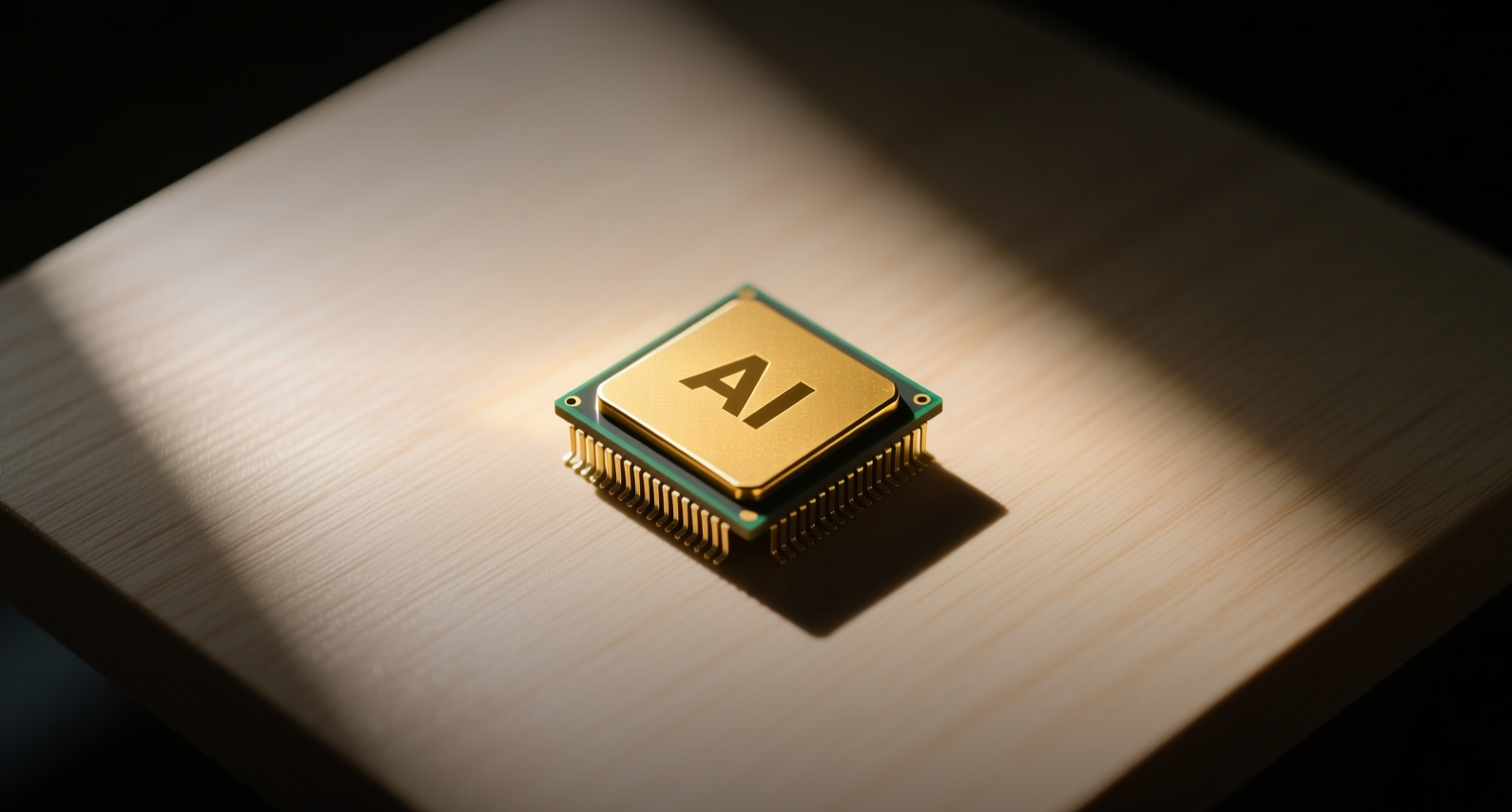
Hong Kong-listed semiconductor stocks opened sharply higher on Tuesday, with GPU designer Tianshu Zhixin (天数智芯) jumping nearly 6% to an all-time high, as AI infrastructure demand drove a broad sector rally that extended from Wall Street into Asia.
The advance tracked a surge in US semiconductor shares, where the VanEck Semiconductor ETF (SMH) jumped 5.76% to a record closing high. Taiwan's benchmark index rose 2.75% and Japan's Nikkei 225 added 1.57% to a fresh all-time high, as chipmakers led global equity markets higher after a US-Iran ceasefire deal cooled oil prices and eased inflation fears.
Among individual names, Tianshu Zhixin, a Shanghai-based GPU designer focused on AI training and inference chips, led the advance with a near-6% gain to a record intraday high. The company's processors compete in China's domestic AI accelerator market, which has expanded as US export controls limit access to Nvidia's advanced chips such as the H100 and B200. Innoscience (英诺赛科), a gallium nitride chipmaker whose technology is used in power management for data centers, rose more than 4%. Hua Hong Semiconductor (华虹半导体, 1347.HK), a specialty foundry focused on power management and embedded memory chips, and Semiconductor Manufacturing International Corp (中芯国际, 0981.HK), China's largest contract chipmaker, each added over 3%.
The broad-based rally shows how AI infrastructure spending is driving demand across the semiconductor supply chain, from GPU designers to foundries. Hong Kong-listed chip stocks, which had lagged their US and Taiwan peers earlier this year, are now catching up as investors seek exposure beyond Nvidia and TSMC. Kingboard Chemical Holdings (建滔集团, 0148.HK), a maker of laminates used in AI servers, has surged 135% in June alone, highlighting the breadth of the AI-driven demand. The Hang Seng Tech Index, which counts several semiconductor names among its constituents, has risen 18% this year, outpacing the broader Hang Seng Index's 12% gain.
For investors, the rally raises the question of whether Hong Kong semiconductor valuations can sustain the momentum. SMIC trades at roughly 30 times forward earnings, a premium to Taiwan's TSMC at about 20 times, reflecting the domestic substitution premium in China's chip sector. Any pullback in AI spending or easing of US export restrictions could pressure these valuations, but for now the demand trajectory remains firmly upward.
This article is for informational purposes only and does not constitute investment advice.
