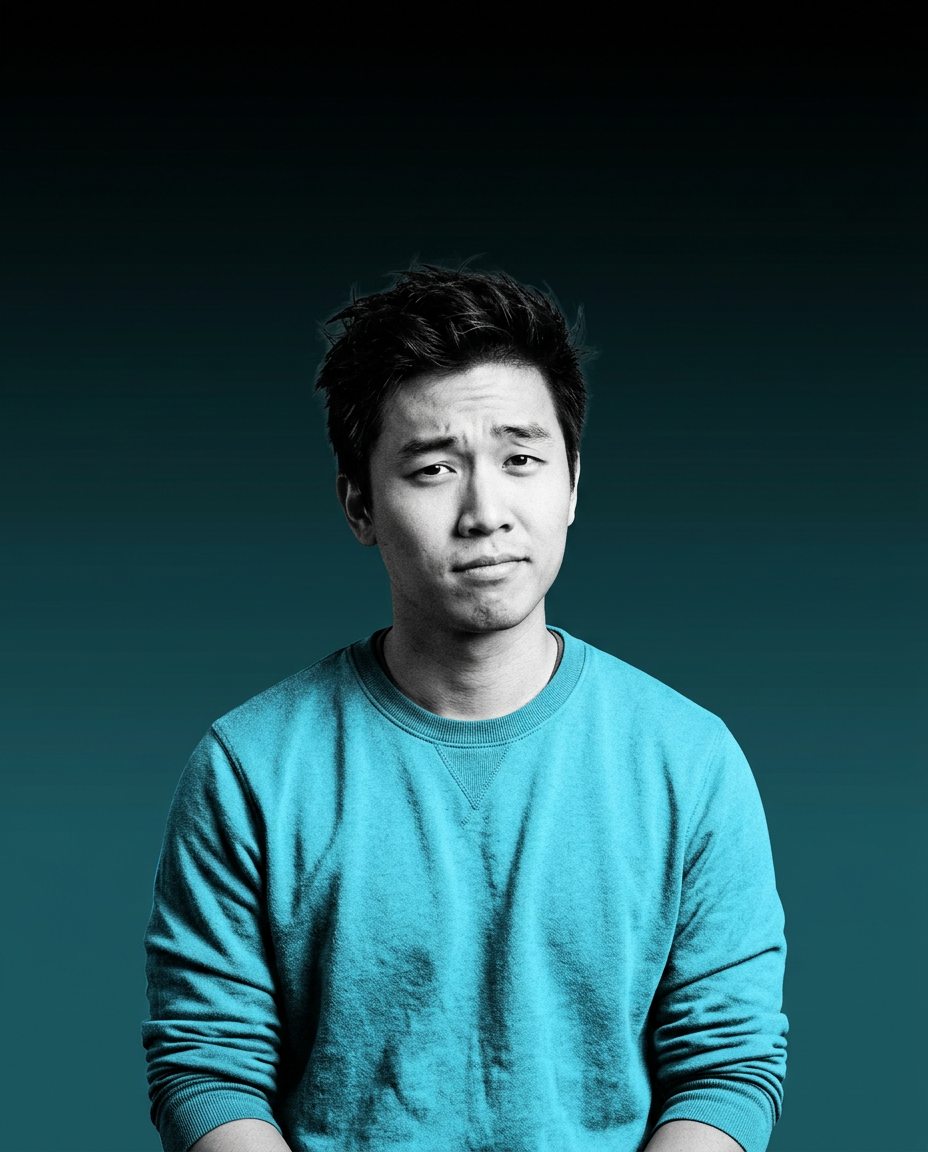
Noam Shazeer, the Google veteran who co-founded Character.AI and co-led Gemini, is leaving for OpenAI — the latest escalation in the AI talent war.
Noam Shazeer, the Google veteran who co-founded Character.AI and co-led Gemini, is leaving for OpenAI — the latest escalation in the AI talent war.

Noam Shazeer, the Google veteran who co-founded Character.AI and co-led Gemini, is leaving for OpenAI — the latest escalation in the AI talent war.
OpenAI's talent raid on Google deepens as Noam Shazeer, the Gemini AI co-lead and Character.AI founder, departs after less than two years following a $2.7 billion return deal.
"I'm incredibly proud of the amazing team at Google and everything we've built together," Shazeer said on X, adding that he was "excited" to join OpenAI.
Shazeer joined Google in 2000 and was a co-author of the seminal 2017 "Attention Is All You Need" research paper that catalyzed the modern AI boom. He left in 2021 to found Character.AI, a chatbot startup, before Google brought him back in 2024 through a licensing deal reportedly valued at $2.7 billion. He was appointed Gemini co-lead in August 2024.
The departure deprives Google of one of its most influential AI researchers at a critical moment. Shazeer has been credited as a key figure behind Gemini's ability to close the gap on OpenAI's ChatGPT. For OpenAI, the hire adds a founding architect of the transformer architecture — the foundation of every major large language model — as it prepares for a potential initial public offering.
The move shows the intensifying competition for AI talent between the two tech giants. OpenAI has been aggressively recruiting top researchers from Google, while Google has sought to retain key personnel through compensation packages and strategic acquisitions such as the Character.AI deal. Shazeer's departure follows a pattern of high-profile exits from Google's AI division to OpenAI and other startups.
For Google, the loss comes as it works to maintain parity with OpenAI in the generative AI race. Gemini, Google's flagship model family, has been positioned as the company's primary competitor to OpenAI's GPT series. Shazeer's role as co-lead made him central to that effort.
OpenAI, meanwhile, gains a researcher with a track record of building consumer AI products. Character.AI, which Shazeer founded, attracted millions of users with its chatbot platform, demonstrating his ability to translate research into products. The hire could accelerate OpenAI's product development as it races to expand beyond ChatGPT.
The broader AI talent market remains overheated. Top researchers command compensation packages exceeding $10 million annually, and companies are increasingly using acquisitions — such as Google's Character.AI deal and Microsoft's hiring of Inflection AI staff — to secure talent without triggering antitrust scrutiny over traditional hiring.
Google shares could face pressure as investors assess the impact of losing a key AI leader. Microsoft, OpenAI's primary backer with a $13 billion investment, stands to benefit if OpenAI's product development accelerates. The talent war also raises costs across the industry, with AI companies spending heavily on compensation to retain and recruit top researchers.
This article is for informational purposes only and does not constitute investment advice.
