
Key Takeaways:
- Goldman Sachs cut its year-end gold forecast by $500 to $4,900 an ounce
- The revision reflects expectations the Fed will hold rates steady through 2026
- Gold has fallen more than 22% since its January all-time high of $5,327
Key Takeaways:
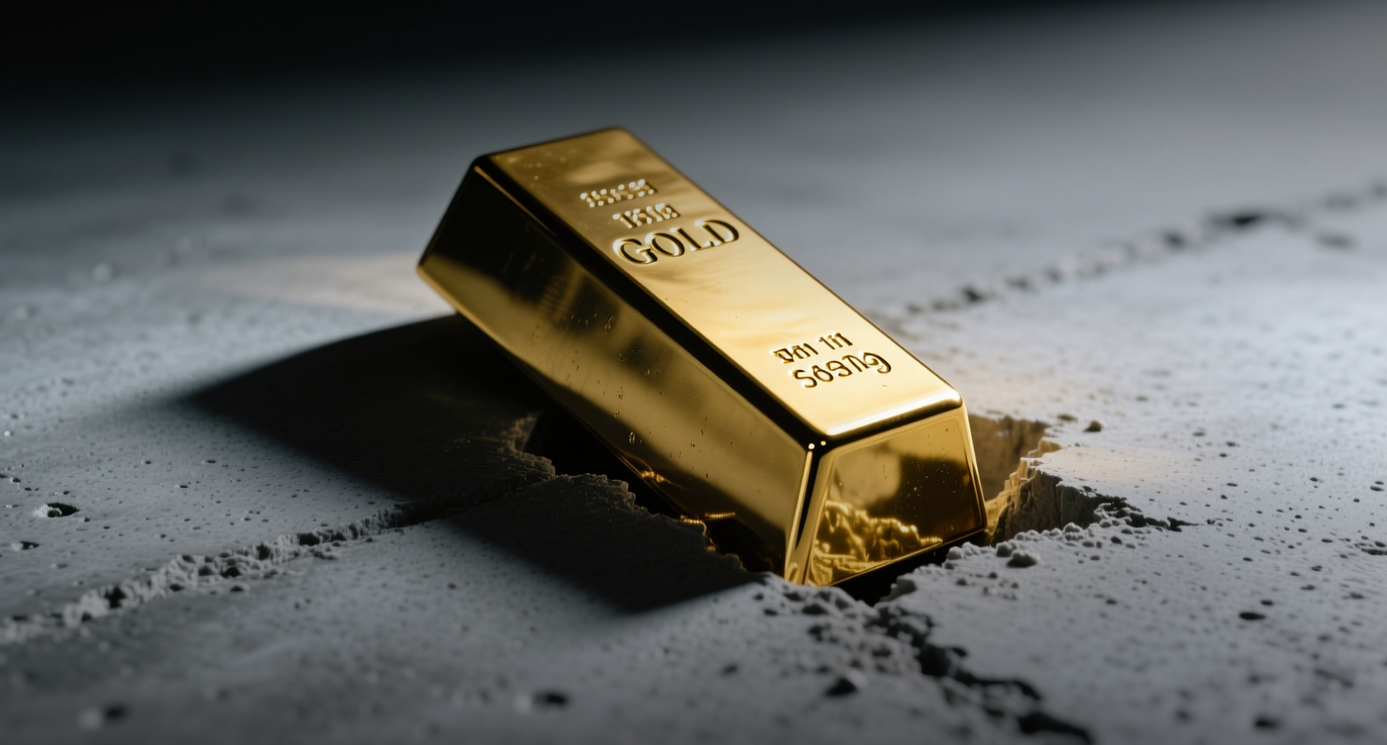
Goldman Sachs cut its year-end gold forecast by $500 to $4,900 an ounce, citing expectations the Federal Reserve will not cut rates this year.
"Our gold price views remain structurally constructive but tactically cautious, with near-term downside risk and medium-term upside risk," analysts Lina Thomas and Daan Struyven at Goldman Sachs said in a research note.
The downgrade from a prior target of $5,400 comes as Goldman economists pushed back their US rate-cut forecast to March 2027 and December 2027. The Fed held its benchmark rate at 3.50% to 3.75% this week, with nine officials now projecting at least one hike in 2026. Global gold-backed ETFs saw outflows of roughly $2 billion in May, according to World Gold Council data, with Asian funds logging their first monthly outflow since August 2025 at $1.2 billion.
Gold has declined more than 22% since its January all-time high of $5,327 an ounce and now trades within $135 of the $4,000 level, a threshold not seen since November. Should the Fed actually raise rates, Goldman sees gold sliding to $4,400 by year-end as its appeal as a policy hedge fades. Central bank demand provides a floor — official buyers added 19 tons in April, and roughly 45% plan to grow reserves in the coming year, per the WGC survey.
The revised forecast still implies gains in the second half, though smaller than the bank previously projected. The weaker ETF demand coincides with markets scaling back expectations for monetary easing. Since gold pays no yield, rising rates make holding the metal more expensive relative to bonds or cash, repricing the "easy money" thesis that drove gold to record highs earlier this year.
Rob Kaplan, a Goldman vice chairman and former Dallas Fed president, told Bloomberg that a rate hike may come as soon as September. CME's FedWatch tool shows a high probability of rates staying unchanged or rising through the remainder of 2026.
"Only when inflation drops, rate cuts become viable, and liquidity improves alongside lower capital costs, will the overall risk appetite truly reverse," HashKey Group senior researcher Tim Sun said.
The hawkish Fed backdrop also weighs on cryptocurrencies. Bitcoin has fallen 28.3% since January, tracking gold's decline as both assets face headwinds from a 4.2% annual increase in the US Consumer Price Index in May and the ongoing conflict in the Middle East.
This article is for informational purposes only and does not constitute investment advice.
