

Key Takeaways:
- Spot gold falls 1.8% to just above $4,000 an ounce in Asian trading
- Hawkish Fed repricing strengthens dollar, pressuring non-yielding assets
- Gold now down 6% year-to-date after four consecutive weekly declines
Key Takeaways:
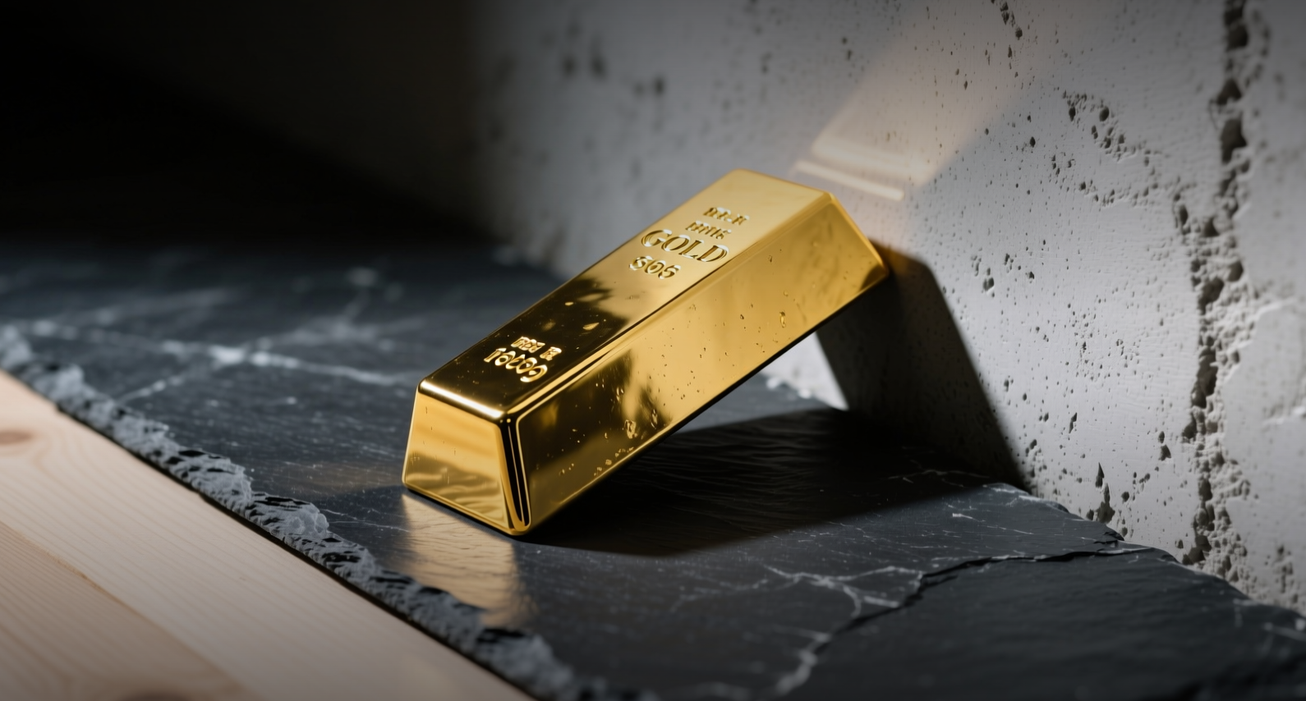
Gold fell 1.8% to just above $4,000 an ounce in Asian trading Monday, extending its longest losing streak since August 2023.
The decline was driven by a hawkish repricing of the dollar after the Federal Reserve's latest meeting, according to Maybank. "The Fed's priority on controlling inflation is leading the market toward another rate hike later this year," the bank said.
Spot gold traded at $4,056 an ounce as of 8:30 a.m. Vietnam time, down more than $32 from Friday's close, Kitco data shows. The metal has now fallen for four consecutive weeks, losing 1.6% in the most recent week alone. US Treasury 10-year yields rose to 4.382%, while the dollar index held at 101.35 points.
Gold has erased all its 2025 gains and is now down 6% year-to-date, a sharp reversal from the 60% rally last year. The June non-farm payrolls report, due Thursday before the US Independence Day holiday, will be the next key catalyst for Fed policy expectations.
Market participants are pricing in a 60% probability that the Fed will raise interest rates in September, according to CME Group's FedWatch tool. Higher rates increase the opportunity cost of holding non-yielding assets like gold.
Wall Street sentiment has turned cautious. Of 18 analysts surveyed by Kitco News, 44% expect further declines this week, while 28% see a rebound and 28% predict consolidation. Among 238 retail investors, 46% were bearish, 37% bullish and 17% neutral.
Christopher Vecchio, head of futures and forex strategy at Tastylive, said he has shifted to a bearish view on gold following the Fed's latest policy meeting, after maintaining a neutral stance for the past four months.
In Vietnam, SJC gold bars fell 500,000 dong to 145 million-148 million dong an ounce, tracking the global decline. The buy-sell spread stood at 3 million dong.
Despite the near-term pressure, major banks including Goldman Sachs and UBS maintain year-end price targets above current levels, implying a potential rebound in the second half of the year.
This article is for informational purposes only and does not constitute investment advice.
