
Gold's fourth weekly loss has pushed it below $4,000 for the first time since November, with the metal caught between a resurgent dollar and fading geopolitical risk premium.
Gold's fourth weekly loss has pushed it below $4,000 for the first time since November, with the metal caught between a resurgent dollar and fading geopolitical risk premium.
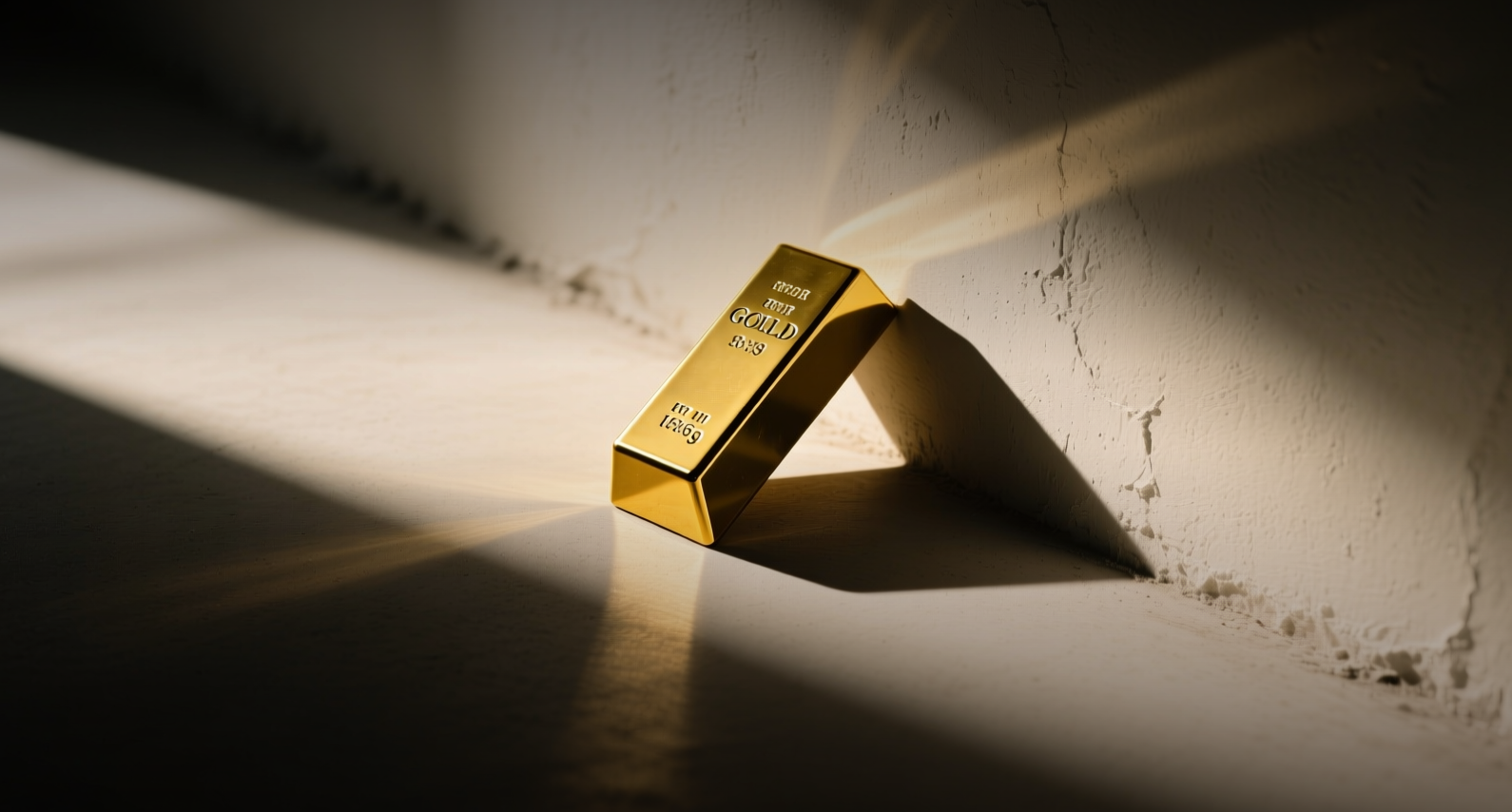
Gold edged lower to near $4,050 on Saturday as uncertainty over US-Iran nuclear talks tempered safe-haven demand, extending the metal's fourth consecutive weekly decline of 2.5%.
"The geopolitical risk premium that supported gold above $4,500 has largely evaporated as the Strait of Hormuz reopens and diplomatic channels remain active," said Elena Fischer, geopolitical risk analyst at Edgen. "What's left is a metal fighting a hawkish Fed and a dollar at 13-month highs."
Spot gold settled at $4,050.08 on Friday after touching a multi-month low of $3,959.08 earlier in the week, according to market data. The 30% decline from January's record of $5,602.23 has accelerated as the Federal Reserve pivoted from rate cuts to potential hikes, with the CME FedWatch tool now pricing a possible increase as early as September. The dollar index hit its strongest level in more than a year, making gold more expensive for non-US buyers. Silver suffered steeper losses, with spot prices sliding 6.8% to $57.43 an ounce on Wednesday.
The near-term trajectory hinges on two variables: the June 30 technical talks between US and Iranian negotiators in Switzerland, and the personal consumption expenditures inflation data due this week. A breakthrough in Geneva could push gold toward the $3,886.46 support level — the last major floor before the January rally zone. A collapse in talks, by contrast, could trigger a sharp rebound as the risk premium reprices.
The Fed-Dollar Feedback Loop
The primary force weighing on gold is not geopolitics but monetary policy. The Fed's hawkish pivot — from discussing rate cuts in December to pricing hikes by September — has rewired the macro backdrop for non-yielding assets. Treasury yields have climbed while money market funds now offer returns that compete directly with gold's store-of-value function. The 50-day moving average crossed below the 200-day on the daily chart this week, a death cross that technical traders treat as a sell signal, adding algorithmic pressure to the fundamental headwinds.
The dollar's strength compounds the damage. At its highest level in over a year, the greenback makes dollar-priced gold more expensive for every buyer using another currency, mechanically reducing international demand. Global capital continues flowing into dollar-denominated assets on expectations that US rates stay elevated, creating a feedback loop that has pushed gold down on both the rates side and the currency side simultaneously.
China's Floor vs. the Fed's Ceiling
The one force preventing a steeper collapse is physical demand from China. The country imported its largest monthly volume of gold in more than two years during May, with year-to-date totals running ahead of last year's pace, according to customs data. This buying — spanning jewelry, investment bars and central bank reserves — removes physical metal from the market and creates a demand floor at lower prices.
But Chinese imports alone cannot reverse a move driven by the Fed and the dollar. They limit the downside; they do not create the upside. That requires a change in rate expectations — either from cooling inflation data or from economic softening that forces the committee to take the hike conversation off the table. Lower crude oil prices, which have fallen to pre-Iran war levels, could help ease inflation pressure, but the Fed has not yet acknowledged that as a reason to pause.
The technical setup points to a near-term target of $4,170.85 on a retracement of the short-term range from $3,959.08 to $4,382.62. Sellers are likely to emerge on any test of that level. A break below $3,959.08 opens the path to $3,886.46, the last major support before the risk of an acceleration to the downside increases. Until the Fed shifts its language or the data softens enough to remove the hike discussion, every rally in gold is a selling opportunity.
This article is for informational purposes only and does not constitute investment advice.
