

Gold suffered its steepest one-day drop in three weeks after the Federal Reserve's hawkish policy pivot boosted the dollar and pushed Treasury yields higher.
Gold suffered its steepest one-day drop in three weeks after the Federal Reserve's hawkish policy pivot boosted the dollar and pushed Treasury yields higher.
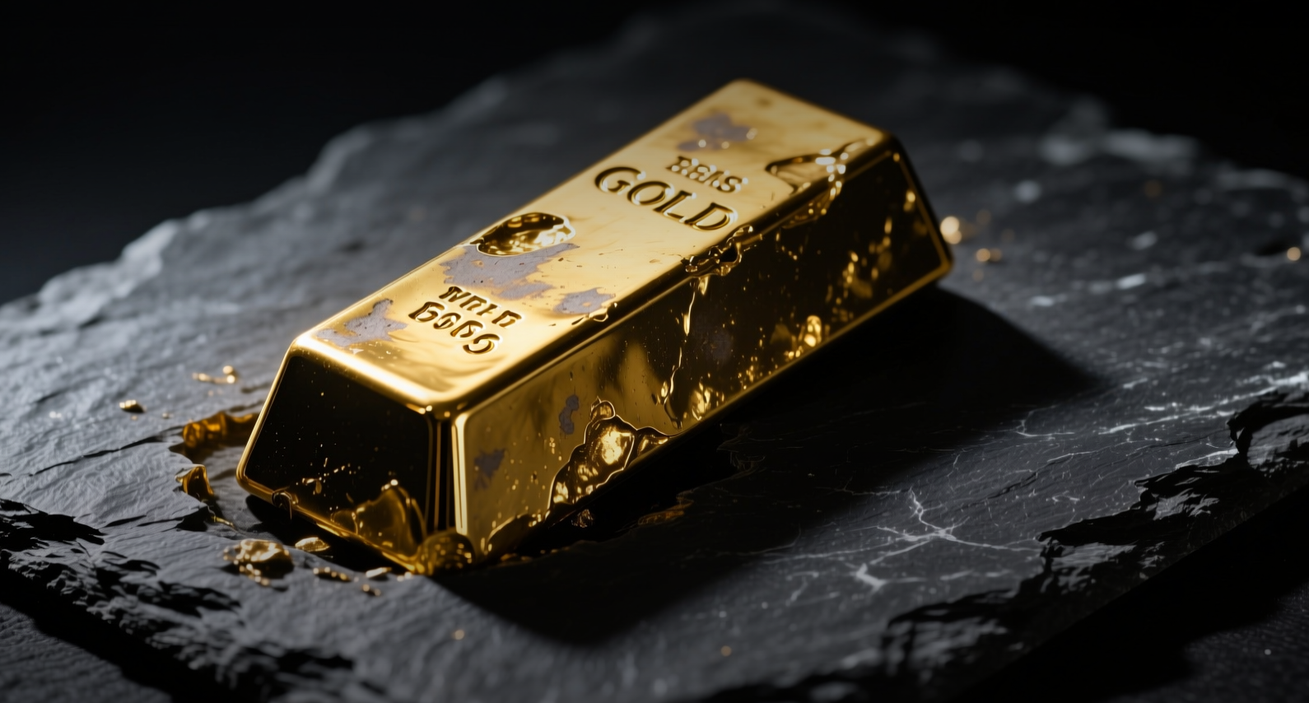
Gold suffered its steepest one-day drop in three weeks after the Federal Reserve's hawkish policy pivot boosted the dollar and pushed Treasury yields higher.
Gold fell 1.7 percent to $4,257 an ounce on Wednesday, its steepest drop in three weeks, after the Federal Reserve opened the door to rate hikes in 2026. The decline erased gains from earlier in the week when a preliminary US-Iran peace deal had pushed the metal above $4,330.
"The hawkish message sent by the new chief of the Fed, Kevin Warsh, was a bit unexpected since Warsh has been in favor of rate cuts," VK Vijayakumar, chief investment strategist at Geojit Investments, said. "But the persistently high inflation in the US left the FOMC with no choice but to send a hawkish message."
The Fed held its benchmark rate at 3.50 percent to 3.75 percent at the June meeting, Chair Warsh's first. But the updated dot plot showed 9 of 18 officials penciling in at least one rate hike this year, up from zero in March. Markets are now pricing 32 basis points of hikes for 2026, with the first move potentially coming as early as September, according to ING analysis. The 10-year US Treasury yield rose to 4.471 percent, while the dollar index climbed above 100, pressuring gold as an alternative asset.
Gold's drop comes as the US-Iran interim peace deal pushed Brent crude below $80 a barrel, reducing inflation expectations and removing a key safe-haven bid for the metal. The SPDR Gold Shares ETF fell 2.27 percent on the session. The next catalyst is the July 29-30 FOMC meeting, where markets will watch for any shift in Warsh's tone on inflation.
Resistance at $4,332 Caps Recovery as Dollar Strengthens
Gold encountered resistance around $4,332 in early Asian trading on Thursday, with the metal last changing hands at $4,240.74, down 0.44 percent, according to XAUUSD data. The $4,170 zone represents the next support level if selling pressure persists, Orbex technical analysis shows. A break below that would mark gold's lowest level since late May.
The hawkish Fed stance contrasts with the market's earlier expectations. At the end of February, US rates markets were pricing two Fed cuts before year-end. The dramatic shift — from expecting cuts to pricing hikes — has upended the macro backdrop for gold, which typically benefits from lower real yields and a weaker dollar.
The US-Iran memorandum of understanding, signed two days earlier than expected, extended the ceasefire by 60 days and reopened the Strait of Hormuz. While the deal initially boosted gold on safe-haven unwinding, the Fed's hawkish pivot quickly reversed those gains. President Trump warned that military action could resume if Tehran fails to comply, keeping geopolitical risk on the radar for gold traders.
This article is for informational purposes only and does not constitute investment advice.
