

General Motors deployed 50 collaborative robots at its Detroit Factory ZERO plant after laying off 1,300 workers, reigniting the battle between labor unions and automakers over AI-driven automation.
General Motors deployed 50 collaborative robots at its Detroit Factory ZERO plant after laying off 1,300 workers, reigniting the battle between labor unions and automakers over AI-driven automation.
General Motors deployed 50 collaborative robots at its Detroit Factory ZERO plant after laying off 1,300 workers, reigniting the battle between labor unions and automakers over AI-driven automation.
General Motors Co. installed 50 collaborative robots at its Factory ZERO plant in Detroit after temporarily laying off 1,300 workers, pitting the automaker's push for cost-efficient automation against union fears of mass job displacement.
"The fruits of our labor have multiplied like never before, but workers aren't reaping the harvest," UAW President Shawn Fain said at the union's constitutional convention this week. "If AI continues to be used as an accessory to that crime, it has to be stopped."
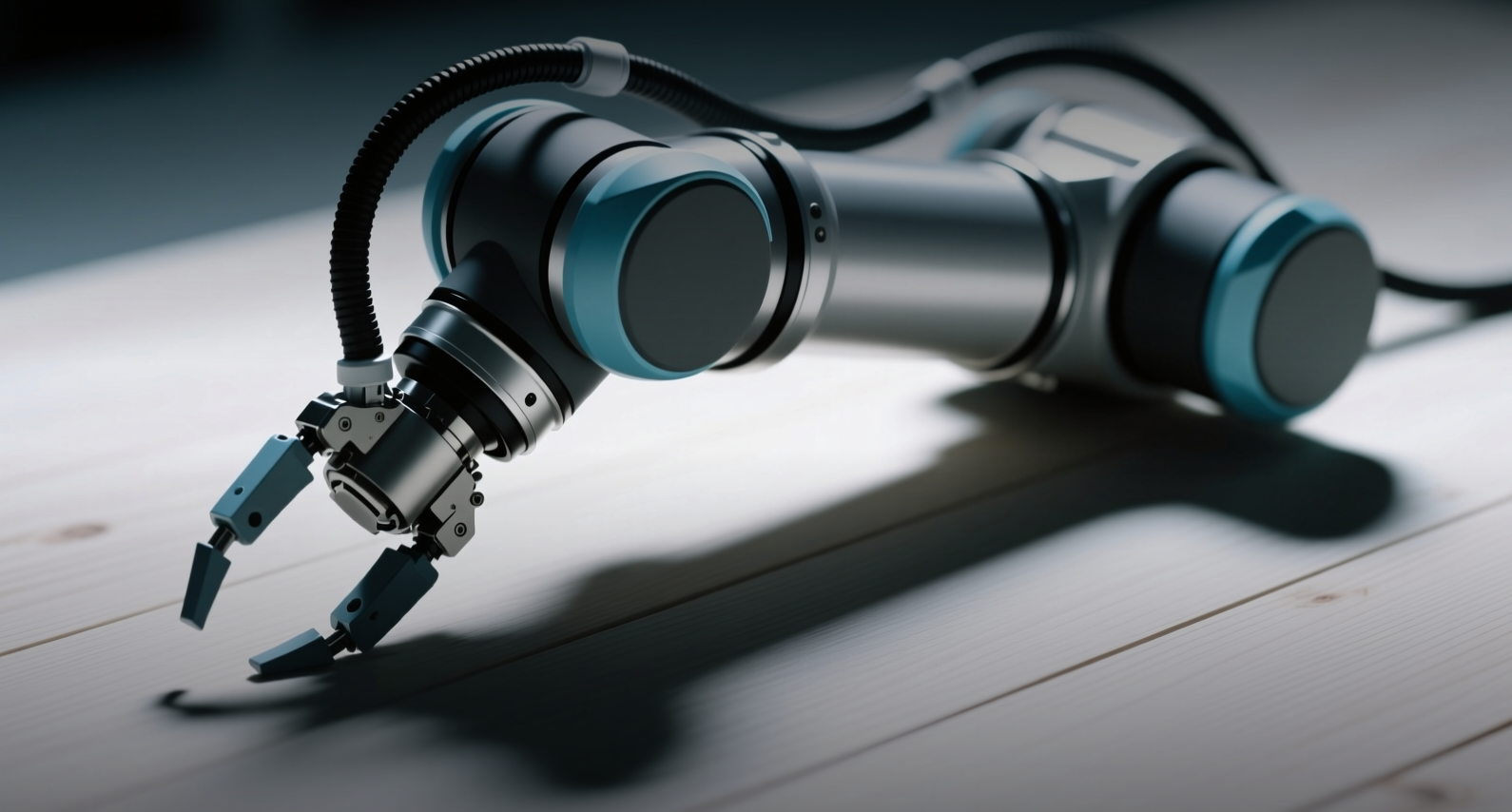
The cobots — short for collaborative robots designed to work alongside humans — handle parts delivery and component installation at the electric vehicle plant, GM spokesperson Kevin Kelly said. The facility already uses unmanned forklifts and tuggers, and one cobot recently malfunctioned, raising safety concerns among workers, according to James Cotton, president of UAW Local 22, which represents the plant's employees.
For GM, automation is essential to competing against faster-moving Chinese automakers and keeping labor costs in check, said Sam Fiorani, vice president at AutoForecast Solutions. "By not moving towards more automation, you're giving up a competitive advantage to someone else," he said. GM cited sluggish battery-powered vehicle sales when it cut the 1,300 positions in March.
GM is not alone. Hyundai Motor Co.'s new Georgia EV factory uses more than 1,000 robots and automated guided vehicles that will eventually work alongside 8,000 humans, including robotic dogs named Spot that perform quality control. Stellantis NV deploys cobots across its North American facilities for parts delivery and high-cycle operations. Ford Motor Co. last year announced a $2 billion investment in its Louisville Assembly Plant to build a $30,000 electric pickup truck, calling it the company's most automated factory globally, with three sub-assembly lines incorporating robots and AI features.
The industry-wide shift threatens tens of thousands of assembly-line jobs. Fiorani said cobots could extend employment by working alongside humans, but full automation is inevitable. "Eventually, robots will replace human beings on assembly lines all around the world," he said.
Laid-off GM workers say the company is using the downturn in EV sales as cover to accelerate automation. "Over 1,000 of us were laid off because GM chose to build extravagant luxury EVs, and now they're using these layoffs to install cobots that can take away future work," said Andrew Bergman, a Local 22 member and union organizer.
Cotton said he worries GM will continue expanding its cobot fleet at Factory ZERO, further reducing headcount. "We have over 1,000 members that are laid off, laid off indefinitely," he said. "And instead of bringing 50 cobots in, bring some of those members back to work."
Fain called on union members to resist company efforts to use AI and automation to make a shrinking workforce "work harder, faster, and longer hours, typically for less money." Neither Fain nor AFL-CIO President Liz Shuler detailed specific policy demands on automation during the convention.
For investors, the automation push offers a mixed picture. Lower labor costs could boost GM's margins over time, but negative headlines, potential regulatory scrutiny, and labor unrest create reputational risk. GM's EV sales slowdown already weighs on sentiment — the company's decision to invest in robots rather than rehiring workers may deepen tensions with the UAW ahead of the next contract negotiations.
This article is for informational purposes only and does not constitute investment advice.
