

General Motors is reconsidering plans to adopt lower-cost lithium iron phosphate batteries for its electric vehicles, a potential shift toward sodium-ion chemistry that could reshape the automaker's cost-reduction roadmap.
General Motors is reconsidering plans to adopt lower-cost lithium iron phosphate batteries for its electric vehicles, a potential shift toward sodium-ion chemistry that could reshape the automaker's cost-reduction roadmap.
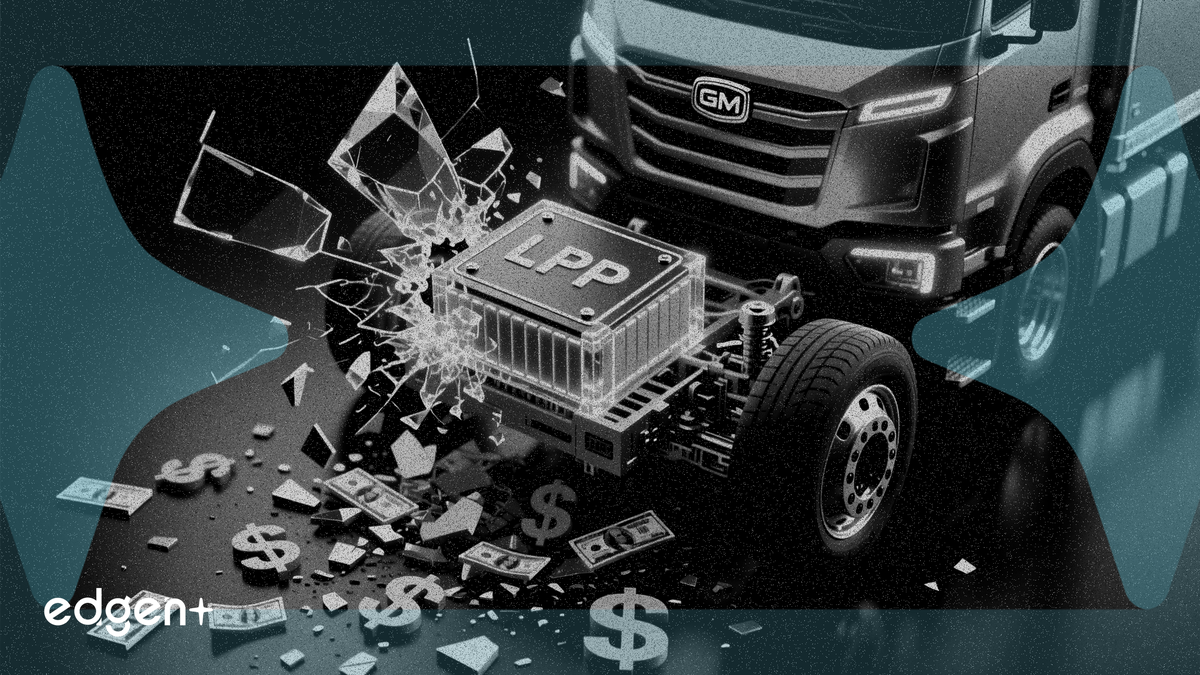
General Motors is reconsidering plans to adopt lower-cost lithium iron phosphate batteries for its electric vehicles, a potential shift toward sodium-ion chemistry that could reshape the automaker's cost-reduction roadmap.
General Motors may scrap plans to use lithium iron phosphate batteries in future electric vehicles, GM's head of battery technology said, as the automaker explores sodium-ion chemistry that promises steeper cost reductions.
"LFP served its purpose as a bridge technology, but the cost curve for sodium-ion is steeper than we anticipated," Kurt Kelty, vice president of battery and sustainability at GM, said in an interview. "The application should determine the battery, and for many vehicle segments, sodium-ion may be the better solution."
The potential shift comes as GM deepens its bet on sodium-ion through a partnership with Peak Energy, a US-based battery startup. GM will develop sodium-ion cells at its Michigan battery labs and retain exclusive manufacturing rights, while Peak Energy will integrate them into grid storage systems. Peak claims its sodium-ion platform is 20% cheaper than conventional LFP systems and delivers more than 99% uptime through passive cooling that eliminates energy-intensive thermal management.
Abandoning LFP would mark a departure from the industry-wide strategy embraced by Tesla, Ford, and Volkswagen, all of which have adopted iron-based chemistries to cut EV costs. For GM, the bet on sodium-ion — which uses abundant sodium instead of lithium or iron — could reduce battery pack costs below $50 per kilowatt-hour, a threshold widely seen as the tipping point for EV price parity with internal combustion vehicles.
GM's potential pivot reflects a broader reassessment of battery chemistry roadmaps across the auto industry. LFP batteries, which dominated the Chinese market before gaining traction in the West, offered automakers a cheaper alternative to nickel-manganese-cobalt cells but at the cost of lower energy density. Sodium-ion cells, by contrast, use sodium — one of the most abundant elements on Earth — and can be manufactured on existing lithium-ion production lines with minimal retooling.
The partnership with Peak Energy, backed by a strategic investment from GM Ventures, positions the automaker to secure a domestic supply chain for the emerging chemistry. Peak Energy, founded in 2023 by veterans of Tesla, Enovix, and Apple, plans to begin production at a giga-scale US factory in 2027. The company currently operates an engineering office in California and a cell research and development facility in Colorado.
For investors, the implications cut both ways. GM's stock could face pressure from the uncertainty around its cost-reduction roadmap, particularly if the sodium-ion timeline slips beyond 2027. LFP battery suppliers including CATL and BYD may see reduced demand from GM, while sodium-ion material producers stand to benefit. GM shares, which trade at roughly 6 times forward earnings, have declined 8% year to date as the broader EV market faces demand headwinds.
This article is for informational purposes only and does not constitute investment advice.
