
France mobilised €13 billion ($14.89 billion) in institutional funding under the third phase of its Tibi initiative to finance French and European technology companies, the finance ministry said Friday.
France mobilised €13 billion ($14.89 billion) in institutional funding under the third phase of its Tibi initiative to finance French and European technology companies, the finance ministry said Friday.
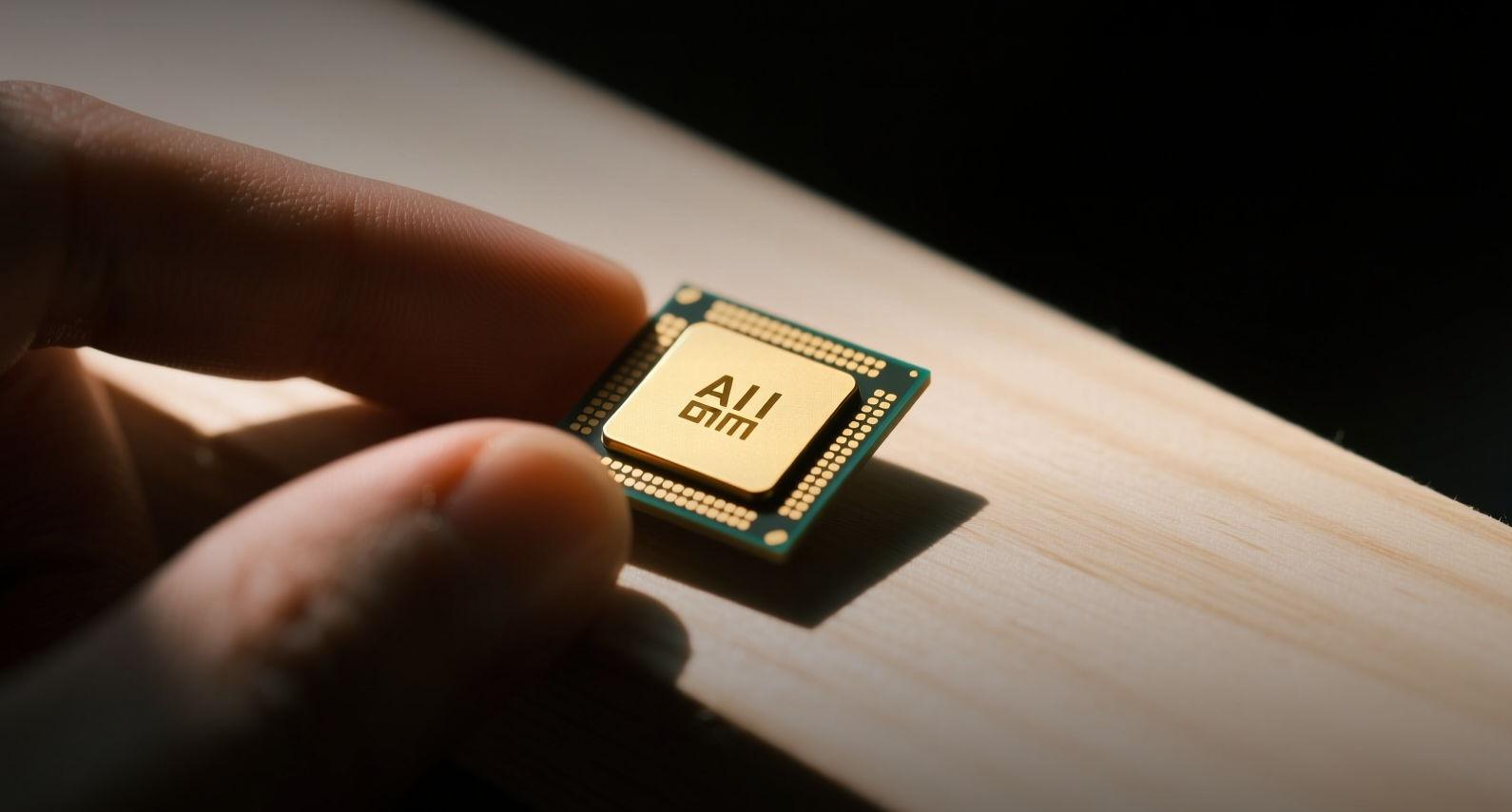
France has mobilised €13 billion ($14.89 billion) in institutional funding to back its technology champions as Europe accelerates its push for digital independence.
The third phase of the Tibi initiative, announced Friday at the VivaTech conference in Paris, aims to channel institutional investor capital into French and European technology companies, the finance ministry said. The government targets bringing total commitments to €15 billion by the end of 2030.
"Fifty percent of investments under the new phase will be directed toward deeptech companies," the ministry said in a statement, adding that new participants include mutual insurer Carac, rail operator SNCF, Paris transport group RATP, defence groups Naval Group and MBDA, and satellite operator Eutelsat.
The move is intended to support French initial public offerings and help small and mid-sized firms scale up while remaining anchored in France and Europe, the government said. The new phase also has a stronger European focus, designed to support pan-European funds able to finance technology companies through larger funding rounds.
A sovereign push for digital autonomy
The €13 billion commitment comes as European policymakers intensify efforts to reduce reliance on non-European technology infrastructure. The European Commission published a tech sovereignty package on June 3 aimed at strengthening the bloc's digital independence and AI position, while the Cloud and AI Development Act identified limited data center capacity as a risk to Europe's digital transformation.
The Tibi initiative, named after former investment banker Philippe Tibi who designed the original framework, has mobilised nearly €31 billion in total funding since its launch in 2020. The first phase raised €6 billion, followed by a second phase that brought in €12 billion, according to ministry data.
France's push mirrors similar sovereign-backed technology funding efforts across Europe. The European Investment Bank committed €10 billion to deep-tech and AI ventures in 2025, while Germany's KfW banking group allocated €5 billion to a future technologies fund. The cumulative effect of these programs is creating a new funding layer between traditional venture capital and public equity markets for European technology companies.
Who benefits and who competes
The expanded Tibi program benefits French deeptech startups in artificial intelligence, quantum computing, cybersecurity, and advanced manufacturing that have struggled to access the scale of capital available to US and Chinese peers. Companies such as Mistral AI, the Paris-based foundation model developer that secured €830 million in debt financing in May, represent the type of scale-up the initiative aims to support.
For institutional investors, the program offers exposure to high-growth European technology assets with government-backed risk mitigation. The inclusion of SNCF, RATP, and defence contractors as participants signals that the funding base is broadening beyond traditional financial institutions.
The initiative also creates competitive pressure on other European governments to match France's commitment level. The UK's British Patient Capital program has deployed £3.5 billion since 2021, while the European Commission's InvestEU program has guaranteed €26 billion in technology investments across the bloc.
The third phase's requirement that 50 percent of investments target deeptech companies aligns with broader European policy goals. The European Deep Tech Report estimated that deeptech startups in Europe raised €18 billion in 2025, representing about 22 percent of total venture funding in the region.
This article is for informational purposes only and does not constitute investment advice.
