

Ford Motor Co. is turning its $19.5 billion EV write-down into a bet on data center power storage, targeting 20 GWh of annual battery system output by 2027.
Ford Motor Co. is turning its $19.5 billion EV write-down into a bet on data center power storage, targeting 20 GWh of annual battery system output by 2027.
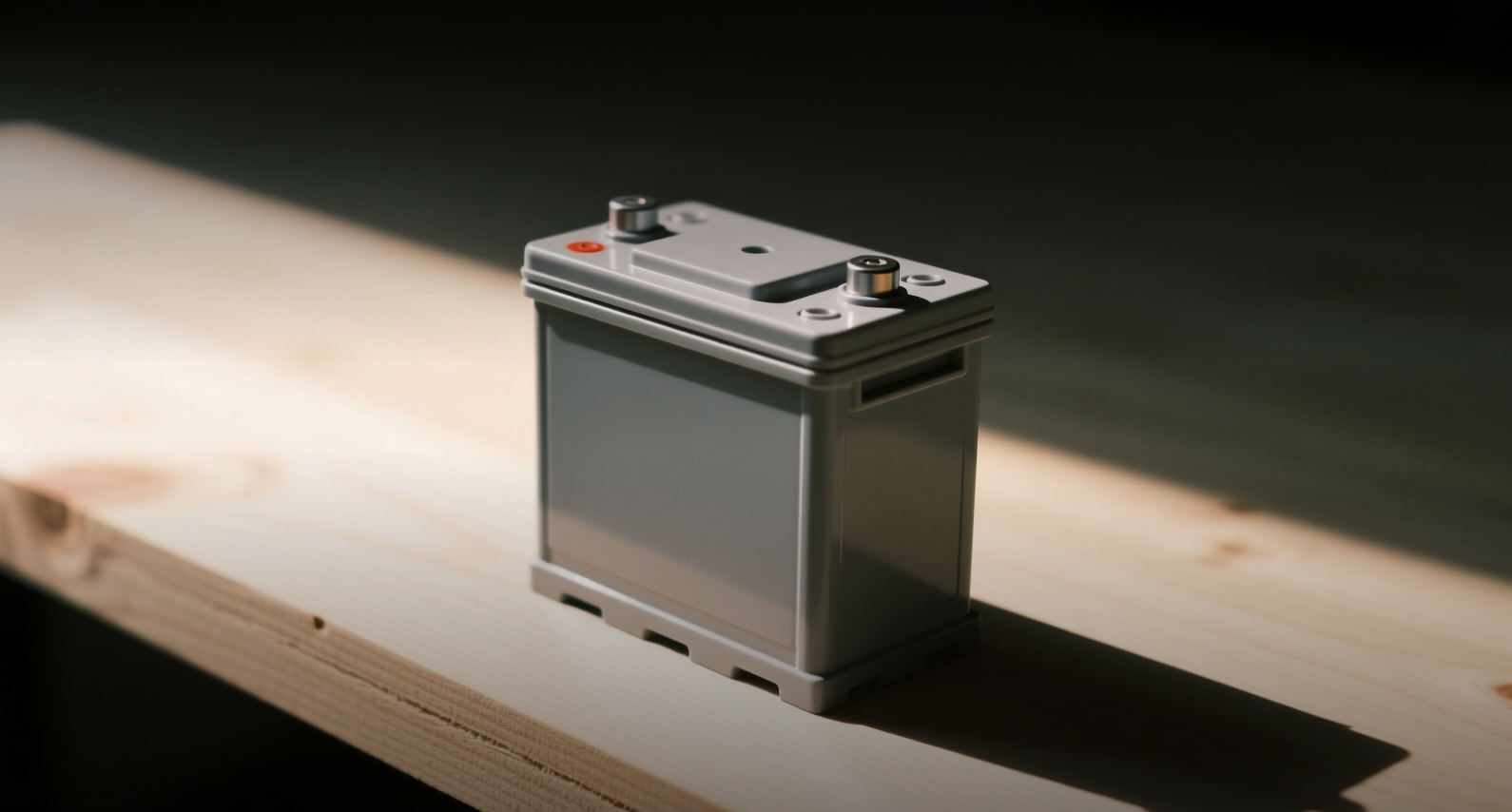
The surge in AI data center construction has created a power bottleneck that traditional grids cannot resolve quickly enough. Ford Motor Co. (NYSE: F) is repurposing its electric vehicle battery infrastructure to manufacture utility-scale energy storage systems, targeting first deliveries in 2027.
"Ford Energy positions us to serve a market where demand for reliable, high-density power is growing faster than supply," a Ford spokesperson said, declining to provide specific revenue guidance beyond the company's public targets.
Ford will invest $2 billion to retool its Glendale, Kentucky facility — originally built as a multibillion-dollar EV battery joint venture with South Korea's SK On — to produce the Ford Energy DC Block, a 5.45 MWh containerized grid storage system using lithium iron phosphate chemistry. The company has already secured a five-year framework agreement with EDF Power Solutions valued at up to $4 billion if all options are exercised. Ford aims to manufacture and deploy 20 GWh of storage capacity annually, a scale that analysts estimate could generate $3 billion in incremental revenue and $500 million in operating profit by decade's end.
Ford shares have declined roughly 20% from their recent high, and the stock trades at a valuation typical of legacy automakers — low single-digit price-to-earnings multiples reflecting cyclical demand and heavy capital requirements. A successful energy storage business could justify a rerating, particularly as data center operators from Amazon.com Inc. to Microsoft Corp. scramble for power solutions. The company's 4.25% dividend yield provides a floor for patient investors awaiting the 2027 revenue inflection.
The pivot comes after Ford recorded a $19.5 billion write-down of its EV programs last year, as consumer adoption slowed following the expiration of federal tax credits and the relaxation of emissions standards. The company had invested more than $200 million in manufacturing capacity and federal incentives before the reversal. Rather than idle that infrastructure, Ford is redirecting its battery expertise toward a market with clearer near-term demand.
Data center operators face a structural power shortage. AI workloads require continuous, high-density electricity that strains grids designed for intermittent loads. Battery energy storage systems smooth out sudden ramp-ups and provide backup power, making them essential infrastructure for hyperscalers. The North American Electric Reliability Corp. has warned that data center power demand could grow at an annual rate exceeding 10% through 2030, creating a multi-gigawatt market for storage solutions.
Ford Energy's Competitive Position
Ford enters a market already occupied by established players including Tesla Inc.'s Megapack and Fluence Energy Inc., but the automaker brings two advantages: domestic manufacturing scale and a ready-made supply chain. The Glendale facility's proximity to SK On's battery production gives Ford access to LFP cells without the import dependencies that constrain some competitors. Ford Energy aims to position itself as a domestically based, multi-gigawatt manufacturer at a time when U.S. energy policy increasingly favors domestic supply chains.
The company is simultaneously advancing its core automotive business. Ford's new Universal EV Platform and "assembly tree" production process, debuting on a $30,000 midsize truck in early 2027, aim to make its next-generation electric vehicles profitable from launch — a departure from the billions lost on current-generation EVs. Ford Pro, the commercial division, continues to generate higher-margin revenue from fleet services and telematics.
For investors, the question is whether Ford Energy can achieve the scale and margins management projects. If the business reaches 20 GWh of annual output and the $500 million operating profit target, it would represent roughly 5% of Ford's current operating income — enough to shift the earnings mix toward a higher-multiple business line. The EDF framework agreement provides early validation, but the company has not disclosed additional customer commitments. First shipments are scheduled for late 2027, with full production ramp expected through 2028.
This article is for informational purposes only and does not constitute investment advice.
