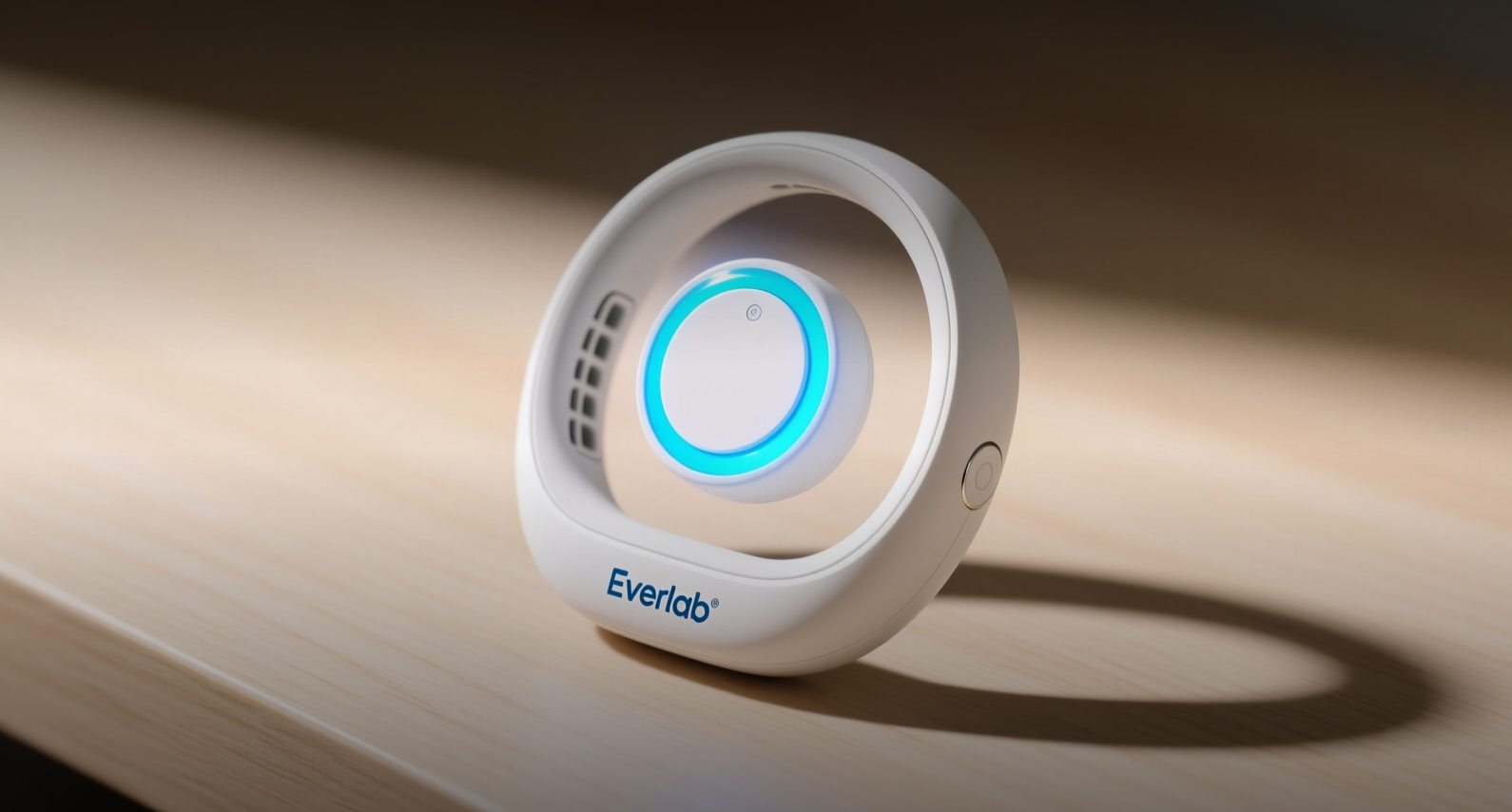
Everlab, an Australian startup using AI to detect health issues before they become serious, has raised A$65 million ($46 million) in an oversubscribed Series A round that values the company at almost A$500 million.
The round was led by Sydney-based Airtree Ventures, with participation from Plural, Left Lane Capital, b2venture and Australian Test cricket captain Pat Cummins. The raise comes less than a year after Everlab closed a $10 million seed round in July 2025, which valued the company at roughly one-fifth of its current level.
"The existing system is fragmented, handing patients between providers and hoping the information follows," said Marc Hermann, co-founder and chief executive officer of Everlab. "We built Everlab to hold the full picture, surface health blind spots and coordinate what needs to happen next."
Everlab's platform ingests records from doctors, specialists and pathologists, then augments them with real-time data from wearable devices. Its proprietary AI analyzes the combined information to identify conditions ranging from minor abnormalities to serious issues such as arterial blockages. The company said it has processed more than 21 million biomarker test results and flagged previously undisclosed findings for more than 25% of its 20,000 patients. In one case, a patient with a silent artery blockage received a stent within 36 hours of initial testing, according to Dr. Steven Lu, the company's chief medical officer and co-founder.
Founded in Melbourne in 2023, Everlab has completed 40,000 consultations and now integrates with 1,850 health provider locations, 180 active clinicians and 30 wearable device types. The company processes more than 200,000 health reports per month. Revenue grew 23 times over the past year, and the company doubled its headcount to 82 staff while still holding cash from its previous round, Hermann said.
Expansion Beyond Australia
Everlab plans to use the fresh capital to enter the UK market, with mainland Europe potentially following. The company already counts Boston Consulting Group, BHP and Bain & Company among its corporate partners. The global consumer healthcare market is valued at $10 trillion, according to industry estimates cited by the company.
Airtree first met Everlab's founders before they had a product and came close to investing last year, said John Henderson, a partner at the firm. He said Everlab's revenue growth made it one of the three fastest-growing businesses Airtree had seen. "It just became super clear that the market was ready for a solution like this," Henderson said.
The Preventative Care Economics
The traditional healthcare model often detects conditions only when they become acute, placing strain on systems already facing aging populations and budget constraints. Everlab's model aims to shift the cost curve by identifying risks earlier. Hermann said the company's polyp detection rate among members referred for colonoscopy exceeds 50%, well above expected performance standards.
"The guy with the stent? No one would have ever paid for his procedure before because from the outside he looked healthy," Hermann said. "Once we found the arterial blockages, the urgent medical procedure gets covered by the system."
Carina Namih, partner at Plural, said previous attempts to own the patient journey ended up either selling doctor time by the minute or reselling lab tests with thin margins. "Everlab is building the layer above both: the system that interprets and coordinates your health data over time rather than capturing a single transaction," she said.
Everlab has submitted data for academic review, which could strengthen its proposition with employers and insurers. The company's ability to demonstrate reduced lifetime care costs will be critical as it enters new markets where healthcare systems are under similar financial pressure.
This article is for informational purposes only and does not constitute investment advice.