

**The €3 billion commitment gives Airbus state-backed financing to compete against Boeing and COMAC.
**The €3 billion commitment gives Airbus state-backed financing to compete against Boeing and COMAC.
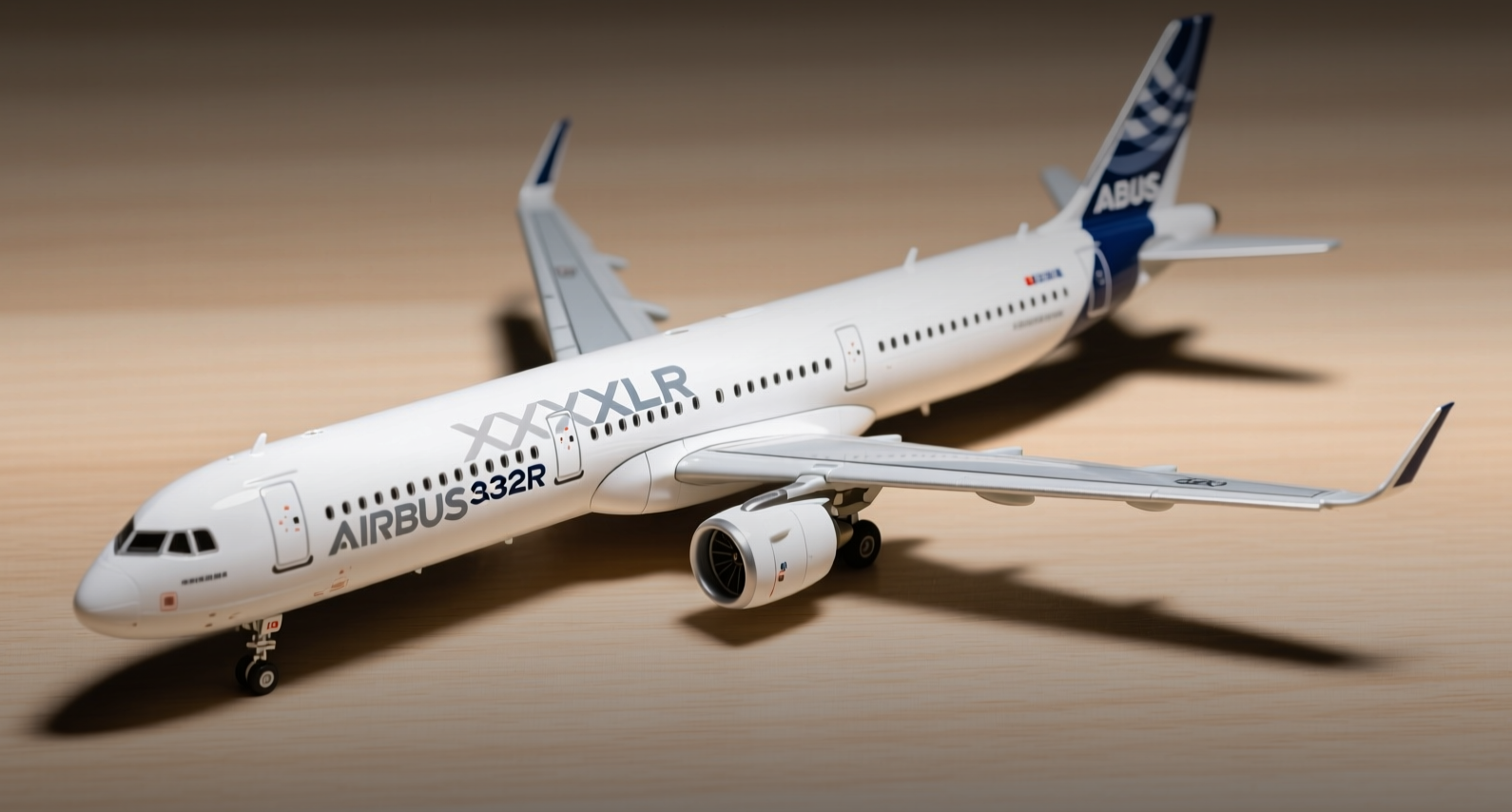
The €3 billion commitment gives Airbus state-backed financing to compete against Boeing and COMAC.
The European Investment Bank committed €3 billion ($3.42 billion) to Airbus, the planemaker said, as Europe deploys institutional financing to counter industrial competition from the US and China.
The funding is aimed at strengthening Europe's industrial base in the face of global competition, the EIB said. The loan supports technology development at Airbus, Europe's largest aerospace company with more than 130,000 employees across the continent.
The commitment comes as Airbus competes against Boeing, which benefits from US defense contracts and export financing through the Export-Import Bank, and COMAC, the Chinese state-backed planemaker seeking international certification for its C919 narrowbody. The EIB's financing provides Airbus with long-term capital for research and production that commercial lenders may be reluctant to offer given the industry's multi-year development cycles and high upfront costs.
The loan reflects a broader European push to preserve strategic industries as the US and China deploy industrial subsidies at scale. For Airbus, the funding reduces reliance on commercial debt markets for its next-generation aircraft programs, including the A321XLR long-range narrowbody and hydrogen-powered concepts targeted for the 2030s.
The EIB, the European Union's lending arm, has increased its focus on strategic sectors since Russia's invasion of Ukraine reshaped European defense and industrial priorities. The Airbus commitment is among its largest single corporate financings and shows the bank's willingness to back industrial champions directly rather than through smaller project-based loans. The EIB's total lending reached €75 billion in 2025, with an increasing share directed toward technology and industrial sovereignty.
The €3 billion represents a meaningful portion of Airbus's annual research and development expenditure, which has averaged more than €3 billion in recent years as the company develops new aircraft and propulsion technologies. The planemaker has been investing in its A321XLR, which entered service in 2025, and is working on hydrogen combustion engine technology for future aircraft. Airbus has said it aims to bring a hydrogen-powered commercial aircraft to market by 2035.
The EIB's previous record corporate loan was a €2 billion financing to a European energy infrastructure project in 2023. The Airbus commitment surpasses that by 50 percent, reflecting the bank's elevated focus on industrial competitiveness. The last time the EIB made a major aerospace financing was in 2020, when it provided €500 million to Airbus for research during the pandemic downturn.
Industrial Policy in an Era of Rivalry
The US Inflation Reduction Act and CHIPS Act have directed hundreds of billions of dollars into domestic manufacturing, while China's Made in China 2025 strategy targets aerospace, semiconductors and clean energy as priority sectors. The EIB's €3 billion Airbus loan mirrors this trend, using public capital to preserve European competitiveness in a sector where scale and R&D spending determine market position.
European policymakers have grown increasingly vocal about the need for a coordinated industrial strategy. The EIB's lending to strategic sectors has expanded since 2024, with the bank committing more capital to defense, aerospace and digital infrastructure. The Airbus loan is the most visible example of this shift and could set a precedent for future large-scale corporate financings in other strategic industries.
Competitive Dynamics
Airbus held a roughly 55 percent share of the large commercial aircraft market by deliveries in recent years, ahead of Boeing. COMAC has yet to secure certification from Western regulators for its C919, limiting its international reach beyond China and a handful of developing markets. The EIB financing ensures Airbus can maintain its technology investment pace regardless of commercial cycle fluctuations.
Boeing has been stabilizing production after quality-control issues and labor disruptions that slowed deliveries in 2024 and 2025. The US planemaker benefits from a large defense business that provides revenue stability during commercial downturns, as well as export financing from the US Export-Import Bank. COMAC, meanwhile, has delivered more than 30 C919 aircraft to Chinese airlines and is developing the larger C929 widebody, targeting international markets by the early 2030s.
The EIB's commitment reshapes the competitive financing dynamic. Airbus now has access to low-cost, long-duration capital from Europe's official lending institution, matching the state-backed financing available to its US and Chinese rivals. The loan's specific terms, including interest rate and maturity, were not disclosed.
For investors, the EIB backing reduces Airbus's financial risk in pursuing next-generation aircraft programs. The company's shares trade on the Euronext Paris exchange and are a component of the Euro Stoxx 50 index. The aerospace sector has been a focus for European industrial policy as governments seek to preserve high-value manufacturing jobs and technological capabilities.
This article is for informational purposes only and does not constitute investment advice.
