

- DoubleZero launches public beta for its Solana data platform, Edge.
- Delivers block data 28ms to over 100ms faster than rivals.
- Aims to enhance speed for DeFi, trading, and dApps on Solana.
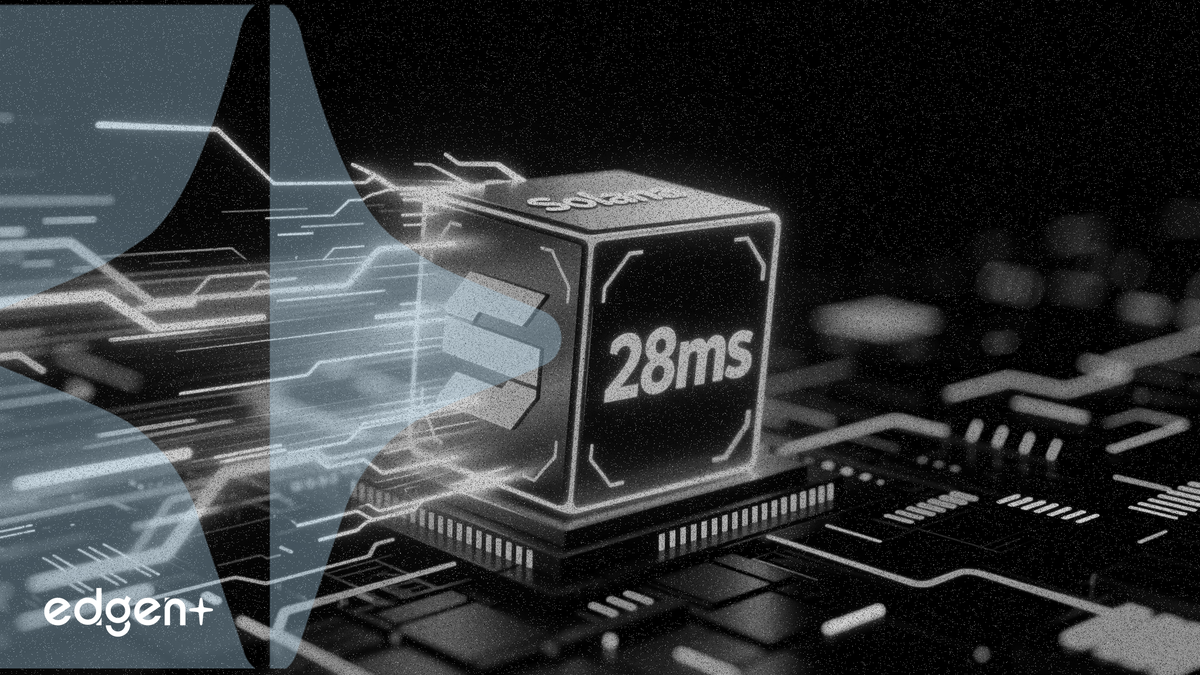
(P1) DoubleZero on April 16, 2026, launched the public beta of Edge, its on-chain data distribution platform for the Solana network, promising block data delivery up to 80 milliseconds faster in the U.S. than competing services.
(P2) "Under high congestion conditions, DoubleZero Edge delivers shreds up to 20 milliseconds faster in Europe, 80 milliseconds in the U.S. and over 100 milliseconds in Asia compared to other services," the company stated in its official launch announcement.
(P3) The platform goes live with a network of more than 350 data publishers. The core offering is designed to provide low-latency, real-time on-chain data, a critical component for high-frequency trading and other time-sensitive applications built on the Solana blockchain.
(P4) This infrastructure improvement could significantly enhance the efficiency of decentralized applications on Solana, particularly for DeFi and trading platforms that rely on rapid data access. For traders, the reduced latency could lead to tighter spreads and better execution, while developers may gain more confidence in building on a faster and more reliable Solana network.
The launch of DoubleZero's Edge platform represents a direct attempt to solve one of the key challenges for institutional-grade DeFi on high-throughput blockchains: data latency. By providing faster access to "shreds," the small packets of block data on Solana, Edge targets sophisticated trading firms and dApps where milliseconds can impact profitability. This move places DoubleZero in competition with other data and infrastructure providers within the Solana ecosystem, such as Helius and Triton.
The platform's ability to deliver on its low-latency claims, especially during periods of network congestion which have historically challenged Solana, will be a key factor to watch. If effective, the technology could attract more developers and high-frequency trading activity to the Solana network, potentially increasing its market share in the competitive Layer-1 landscape against rivals like Ethereum and its various Layer-2 solutions. The growth of such foundational infrastructure is critical for the long-term adoption and maturation of the Solana DeFi ecosystem.
This article is for informational purposes only and does not constitute investment advice.
