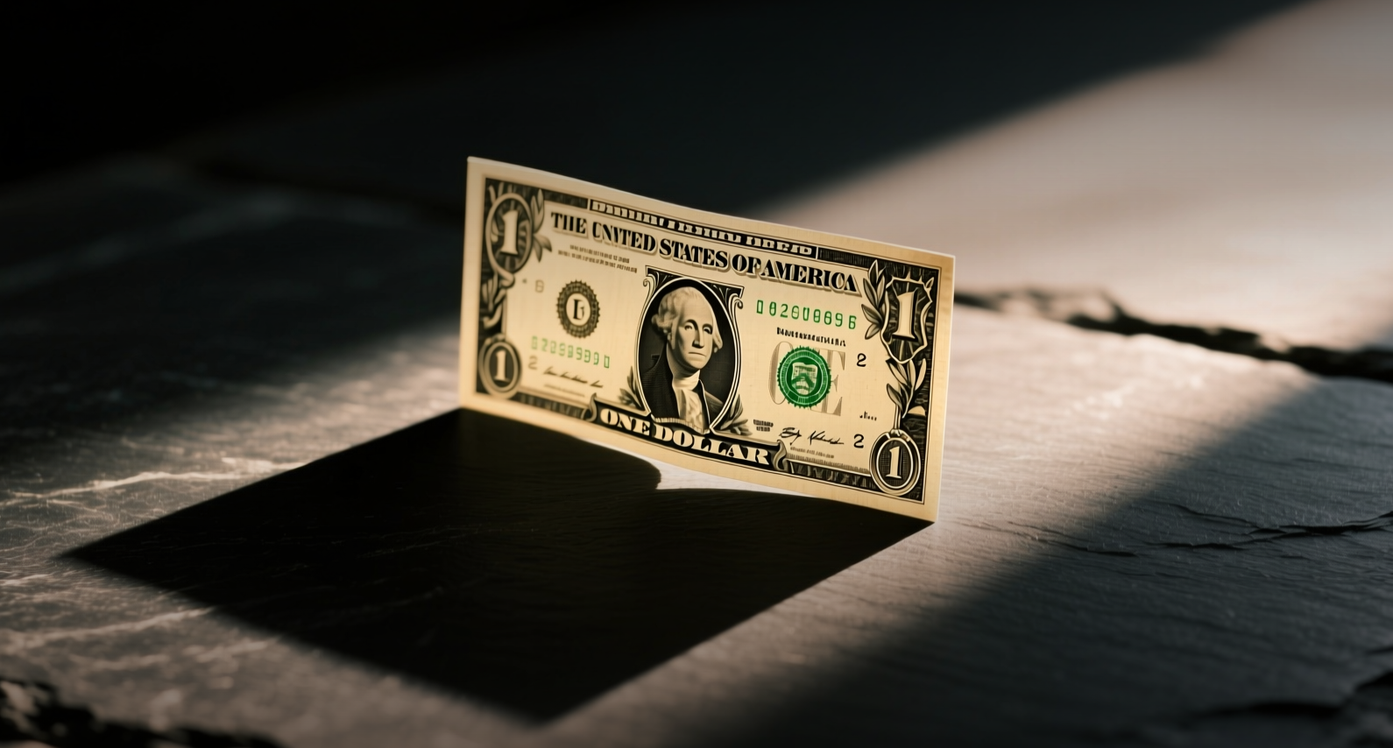
The US dollar rose against all major peers Monday, extending its June rally as escalating Middle East headlines drove investors into the world's reserve currency. The Bloomberg Dollar Spot Index gained 0.4% by midday New York trading, with the euro falling below $1.13 for the first time in three weeks and the yen weakening past 152 against the greenback.
"The dollar bid reflects a repricing of geopolitical risk premia across FX markets, with the Middle East conflict creating a binary outcome that markets are struggling to hedge," said Elena Fischer, geopolitical risk strategist at Edgen. "The safe-haven flows are broad-based — we're seeing it in gold, the dollar, and short-duration Treasuries simultaneously."
The euro slipped 0.5% to $1.1278, its lowest since June 1, while the dollar-yen pair rose 0.6% to 152.35, approaching the 152.50 level that has historically triggered intervention warnings from Japanese officials. The Swiss franc, another traditional safe haven, weakened 0.3% against the dollar, a sign that the greenback's bid was overwhelming even typical避险 destinations. Gold, which often trades inversely to the dollar, bucked the trend and held near $4,194 an ounce, suggesting the metal was also drawing safe-haven inflows.
The latest leg higher in the dollar follows reports that the fragile ceasefire in the Strait of Hormuz — which handles about 21% of global oil trade — is under renewed strain after President Trump threatened to resume attacks on targets in Iran. The US-Iran memorandum of understanding signed earlier this month had briefly eased supply concerns, sending oil prices lower and the dollar off its highs. That relief has now reversed. Brent crude rose 2.3% to $87.40 a barrel Monday, adding to last week's 4% gain.
The dollar's June rally has been one of the most aggressive moves in G10 FX this year. The greenback has gained 2.8% against a basket of developed-market currencies this month alone, erasing the losses from April and May. The move has been amplified by the Federal Reserve's hawkish posture under new Chair Kevin Warsh, who last week delivered a pared-down FOMC statement that markets interpreted as signaling a higher bar for rate cuts. The fed funds rate remains at 5.25% to 5.50%, where it has been since July 2023, and OIS markets now price just 42% probability of a cut by December.
The last time the dollar strengthened this rapidly on geopolitical risk was in April 2024, when Iran launched drone strikes on Israel. In that episode, the DXY gained 1.8% over two weeks before giving back half the move as tensions de-escalated. The current rally has already matched that pace, raising the question of whether the dollar has further to run or whether a diplomatic resolution could trigger a sharp reversal.
For emerging markets, the dollar's strength is creating familiar pressure points. The Polish zloty weakened past 4.26 against the euro Monday, while the Mexican peso and South Korean won also declined. Central banks across Asia and Eastern Europe face a difficult choice: allow their currencies to weaken and risk importing inflation, or raise rates to defend them and risk slowing growth.
The immediate catalyst for the next move will be any diplomatic development in the Middle East. If the ceasefire holds and the Strait of Hormuz remains open, the dollar could give back some of its gains as risk appetite returns. If tensions escalate further, the greenback's rally could accelerate, with the euro testing $1.12 and dollar-yen pushing toward 155 — a level not seen since 1990.
This article is for informational purposes only and does not constitute investment advice.