

Conagra Brands' 10.2% dividend yield, the highest in the S&P 500, faces growing risk of a cut under its new CEO as the company struggles with slowing earnings growth and $4.5 billion in debt maturing through 2029.
Conagra Brands' 10.2% dividend yield, the highest in the S&P 500, faces growing risk of a cut under its new CEO as the company struggles with slowing earnings growth and $4.5 billion in debt maturing through 2029.
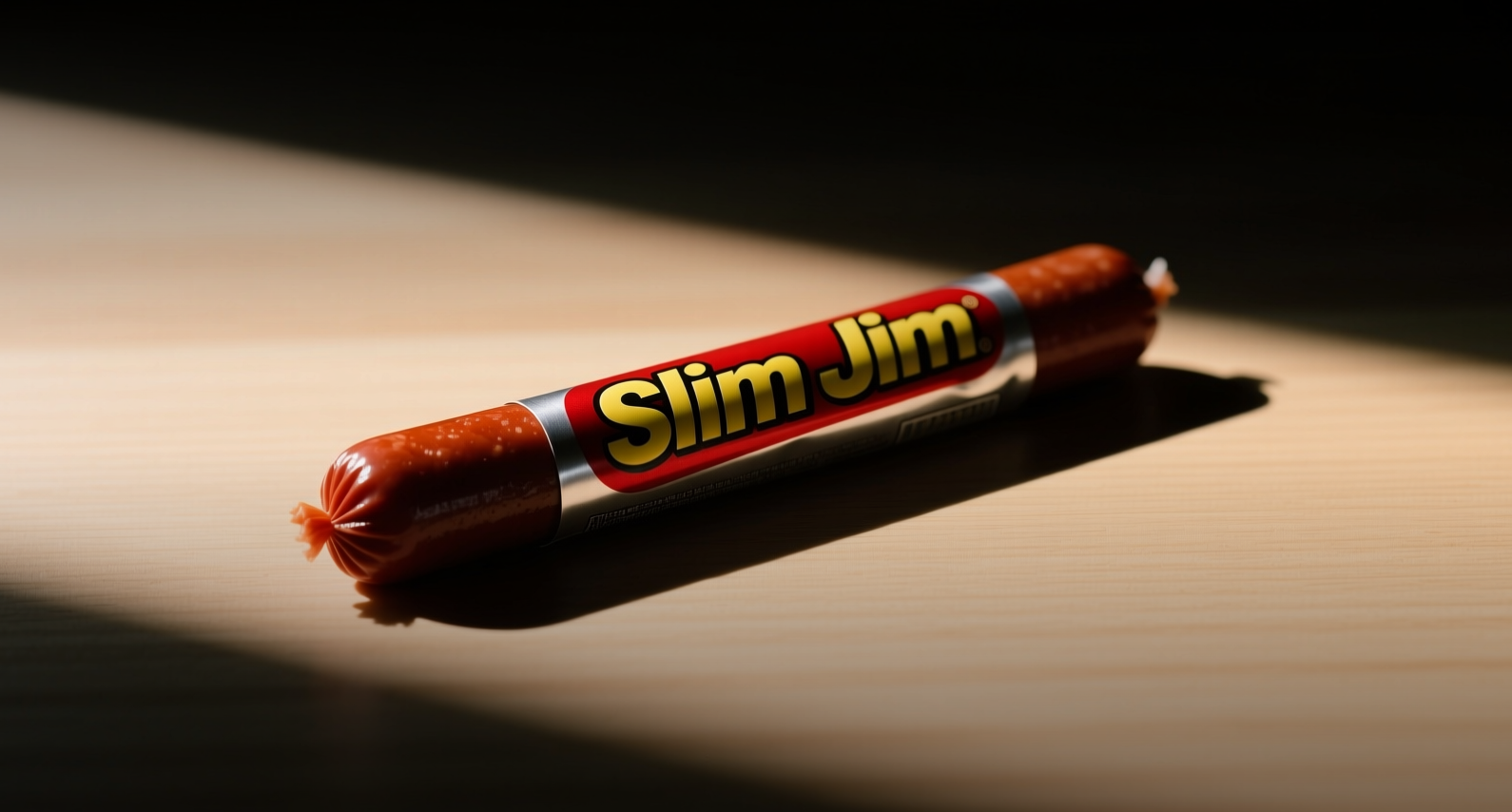
Conagra Brands' 10.2% dividend yield, the highest in the S&P 500, faces growing risk of a cut under its new chief executive.
"Given the industry headwinds, the company's recent performance, and its debt levels, dividend investors shouldn't be surprised if the new CEO asks the board to cut the dividend," Reuben Gregg Brewer, a columnist at Motley Fool, said.
The Chicago-based maker of Slim Jim and Birds Eye posted adjusted earnings of 39 cents per share in its fiscal third quarter, barely covering its 35-cent quarterly payout. Adjusted profit fell more than 20 percent from a year earlier. The company carries $4.5 billion in debt maturing between 2026 and 2029, and it increased its debt-repayment plans for the current fiscal year in the third quarter. Its net debt-to-EBITDA ratio stands at 8.41, while debt-to-equity is 0.94, according to company filings.
A dividend cut would free cash for debt reduction but could trigger a sell-off in the stock, which trades at about $18.79, near the low end of its 52-week range of $15.96 to $28.52. The company's 10-K filing warned that debt could "negatively impact our ability to pay a cash dividend at an attractive level."
The stock's 10.2 percent yield compares with 1 percent for the S&P 500 and 2.1 percent for the average consumer staples company, a gap that shows the market already prices in a potential reduction. A cut of 50 percent or more would still leave Conagra with a yield above the sector average. The company's market capitalization stands at $8.99 billion.
Conagra appointed a new CEO on April 13. New chief executives often seek to reset expectations early in their tenure, and a dividend reduction is one of the most visible levers available. The company's board could choose to maintain the payout, but the combination of slowing sales, rising debt-service costs, and a new leadership team creates conditions for a change.
The company's "Fuel for Growth" initiative targets $1 billion in cumulative cost savings over three years through supply chain automation and digitization. Even if successful, those savings would need to offset persistent commodity inflation and a consumer shift toward private-label alternatives that has pressured volumes across the packaged food sector. Conagra's organic net sales are projected to be flat to slightly negative for fiscal 2026.
For income investors, the 10.2 percent yield carries an elevated risk of a cut that could erase years of accumulated dividends in a single day. The next catalyst will be Conagra's fiscal fourth-quarter earnings report, expected in July, where management may signal its capital allocation priorities under the new CEO.
This article is for informational purposes only and does not constitute investment advice.
