
Colombia has become the Americas' deadliest theater for weaponized drone warfare, with attacks by armed groups surpassing Mexico.
Colombia has become the Americas' deadliest theater for weaponized drone warfare, with attacks by armed groups surpassing Mexico.
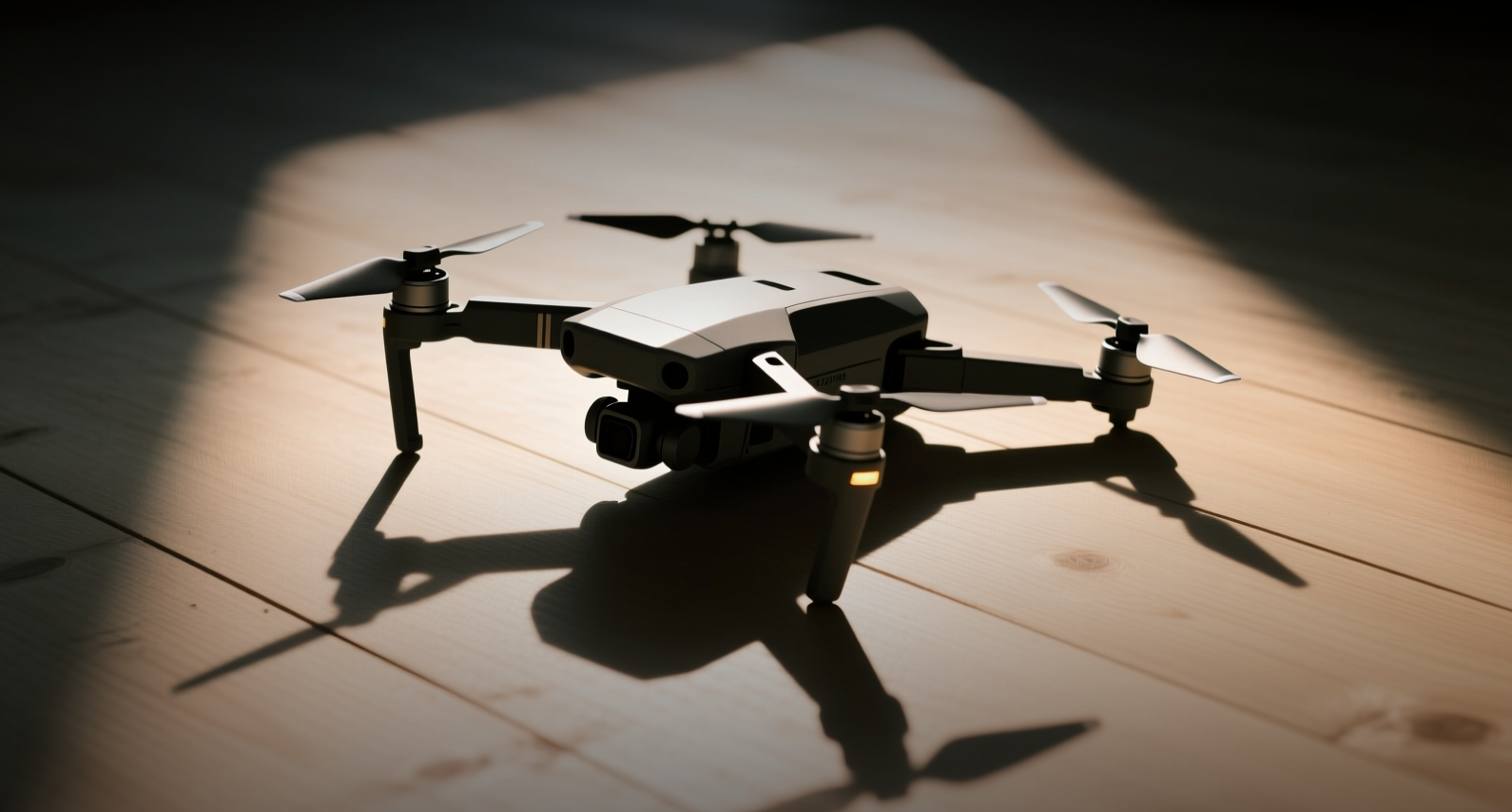
Colombia has become the Americas' deadliest theater for weaponized drone warfare, with attacks by armed groups surpassing Mexico.
Colombia's cocaine-funded militias have turned the border city of Cúcuta into a laboratory for unmanned aerial warfare, launching more weaponized drone attacks than any other country in the Americas, according to conflict monitor ACLED.
"Colombia is now the epicenter of unmanned aerial-vehicle warfare in the Americas," Eve Hartley and Sofia Villamil reported in the Wall Street Journal, citing data from the conflict-monitoring group ACLED.
Mexico first recorded criminal groups using weaponized drones in 2021, but Colombia's armed groups have since outpaced their Mexican counterparts. In Cúcuta, a mother was injured when what she described as a drone strike accidentally hit her home, according to the WSJ report. Authorities are scrambling to respond, operating a state-run drone factory to advance counter-drone technology against militias funded by cocaine trafficking and illegal mining.
The escalation comes as Colombia prepares for a presidential election that will determine the future of peace talks with the National Liberation Army, or ELN, the country's largest remaining rebel group. President Gustavo Petro suspended negotiations last year after a string of attacks displaced more than 56,000 people from their homes. The two leading candidates — conservative Abelardo de la Espriella, who won the first round, and Sen. Iván Cepeda — offer starkly different approaches to the conflict.
The weaponization of commercial drones marks a new phase in Colombia's six-decade internal conflict. Armed groups have adapted technology pioneered in the Russia-Ukraine war, using first-person-view drones to strike military targets and terrorize rural communities. The ELN has also used its own internal justice system to put captured security personnel on trial, charging two police officers — Esley Hoyos and Yordin Fabián Pérez — with espionage after kidnapping them in July 2025 in Arauca province along the Venezuelan border. The officers were released Tuesday, the nation's human rights defender's office said, after almost a year in captivity.
The ELN is also holding two Colombian prosecutors, charging them with espionage. "No armed group can give itself the faculties of judging people or handing out sentences," the human rights agency said in a statement Tuesday, urging the group to release the prosecutors.
Sunday's presidential runoff presents a fork in Colombia's approach to armed groups. De la Espriella, a conservative lawyer running on a tough-on-crime platform, has promised to cancel peace talks between the government and illegal armed groups. His rival, Cepeda, has said he will continue negotiations as long as rebel groups respect the rights of community leaders and others in areas under their control.
Critics argue that the ELN and other groups that entered negotiations with the Petro administration have used ceasefires to rearm and strengthen their grip over rural areas, where they tax local businesses and profit from the drug trade and illegal mining. The ELN on Monday said it will cease operations against Colombia's military from June 20 to June 23 and refrain from interfering in the election.
The outcome will determine whether Colombia pursues a military solution to the drone threat or attempts to negotiate a de-escalation. Either path carries significant implications for regional security, given the ELN's presence along the porous Venezuelan border and its involvement in cocaine trafficking networks that supply global markets.
This article is for informational purposes only and does not constitute investment advice.
