China's 90-day window to settle individual income tax on offshore trusts closes Oct. 22, a deadline that BofA Securities says could force shareholders of Hong Kong- and US-listed Chinese companies to sell stock to fund tax bills, concentrating event risk in a handful of private-company names.
"The deadline for this offshore tax is October 22, so that gives us roughly a month to see the actual impact," Winni Wu, China equity strategist at BofA Securities, said at a media briefing in Hong Kong. Wu said offshore-listing private companies face more scrutiny than state-owned peers, and that owners retain room to negotiate with local tax bureaus because "some of the tax liability can be quite high, and it's unrealistic to expect people have that amount of cash to immediately pay the tax."
Chinese authorities said in July they would impose individual income tax on assets placed in offshore trusts and on the income those trusts generate, with unpaid amounts due within 90 days. The structure is widely used by controlling shareholders of Chinese companies listed in Hong Kong and the US, which is why the enforcement clock lands on equity holders rather than on the companies themselves.
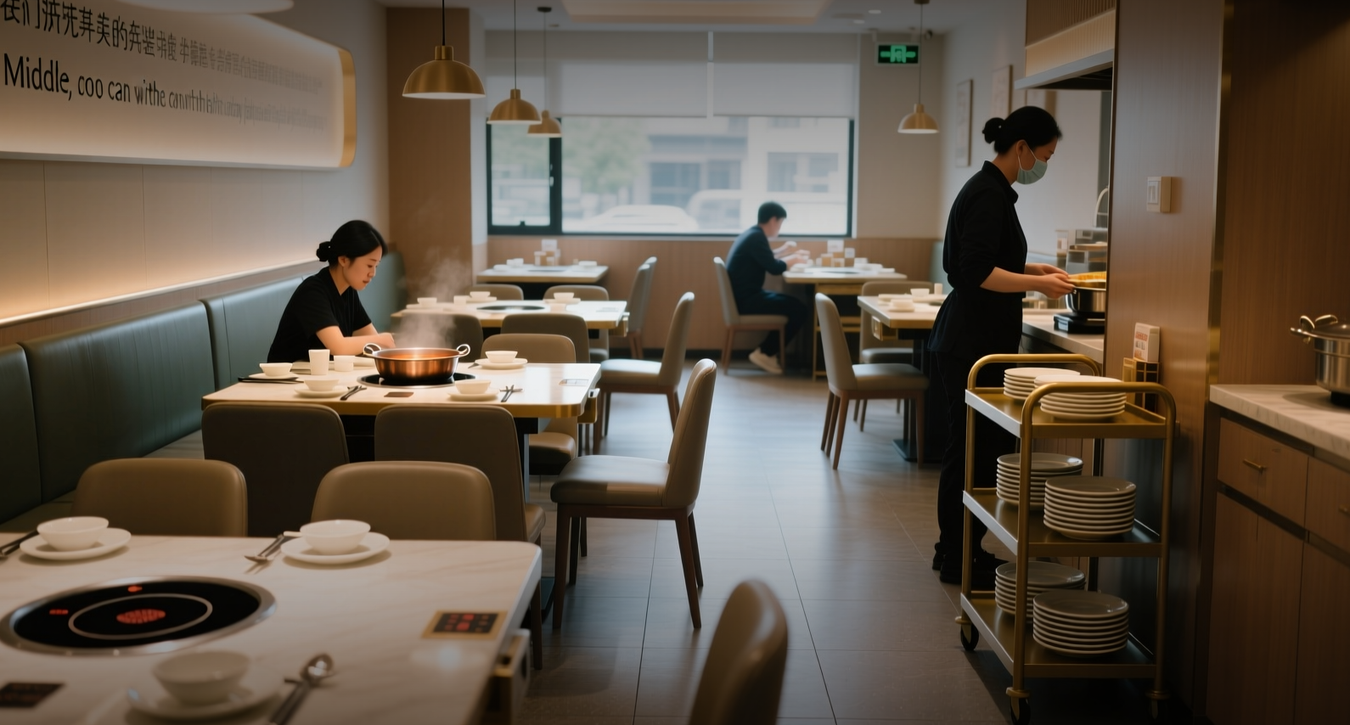
Haidilao International Holding (海底捞, 6862.HK) offers the clearest read so far. The hotpot chain's major shareholder sold 259 million shares this month, raising HK$2.75 billion ($350.59 million), and the stock has fallen 17 percent since the disposal. The sale was not pre-announced, and the combination of size and timing has pulled the tax question into the open for other offshore-listed Chinese names.
Private owners carry the exposure, not state balance sheets
The distinction Wu draws matters for how the risk is priced. State-owned enterprises listed in Hong Kong are backed by balance sheets that can absorb a tax assessment, and their controlling entities are less likely to hold stakes through personal offshore trusts. Privately controlled companies are the opposite case: the founder's trust often holds the economic interest, and the tax is levied on the individual, not the listed vehicle.
That leaves the selling pressure concentrated in single stocks rather than in the index. Wu said the tax collection drive could produce event risks in individual shares but is unlikely to become a dominant driver for the wider Hong Kong market. The Hang Seng Index's direction will still be set by mainland policy and global rates; the offshore trust rule shows up as idiosyncratic drawdowns in names where a founder needs cash.
The scale of a potential bill explains why forced sales are the market's base case. Chinese individual income tax on capital gains and trust distributions can reach 20 percent, and a founder holding a multi-billion-dollar stake through an offshore vehicle faces a liability measured in hundreds of millions of dollars against personal liquidity that is mostly tied up in the same stock. Selling is the fastest route to settlement, and it is also the route that pushes the share price down before the tax is paid.
Lawyers and advisers told Reuters earlier that the crackdown is pushing wealthy Chinese individuals to reconsider their trust structures and investment holdings, a shift that outlasts the October deadline. Restructuring a trust takes months and carries its own tax consequences, so the near-term response is more likely to be liquidation than reorganization.
What happens after Oct. 22
The deadline itself is the event, not the end of the story. If settlements proceed without further block trades, the single-stock risk premium attached to founder-controlled offshore listings should compress through the fourth quarter. If more shareholders follow Haidilao's path, the pressure extends to any Hong Kong or US-listed Chinese company where a trust holds a controlling stake, and the affected names are identifiable from disclosure filings rather than from sector exposure.
Wu's point about negotiation is the variable that keeps the tail risk contained. Local tax bureaus have discretion over payment schedules, and a liability that cannot be paid in cash is more likely to be rescheduled than enforced through asset seizure. That reduces the probability of a disorderly sale but does not remove it, because the decision sits with individual taxpayers whose liquidity is not publicly disclosed.
For investors, the practical read is that this is a stock-selection problem, not a market-timing one. The rule does not change earnings at Haidilao or its peers, and it does not alter the outlook for Chinese equities broadly. It changes who owns the shares and at what price, and that repricing is happening now, with roughly 30 days left on the clock.
This article is for informational purposes only and does not constitute investment advice.