
A fundamental shift is underway in China's property market as buyer demand for certainty pushes developers and local governments to abandon the pre-sale model.
A fundamental shift is underway in China's property market as buyer demand for certainty pushes developers and local governments to abandon the pre-sale model.
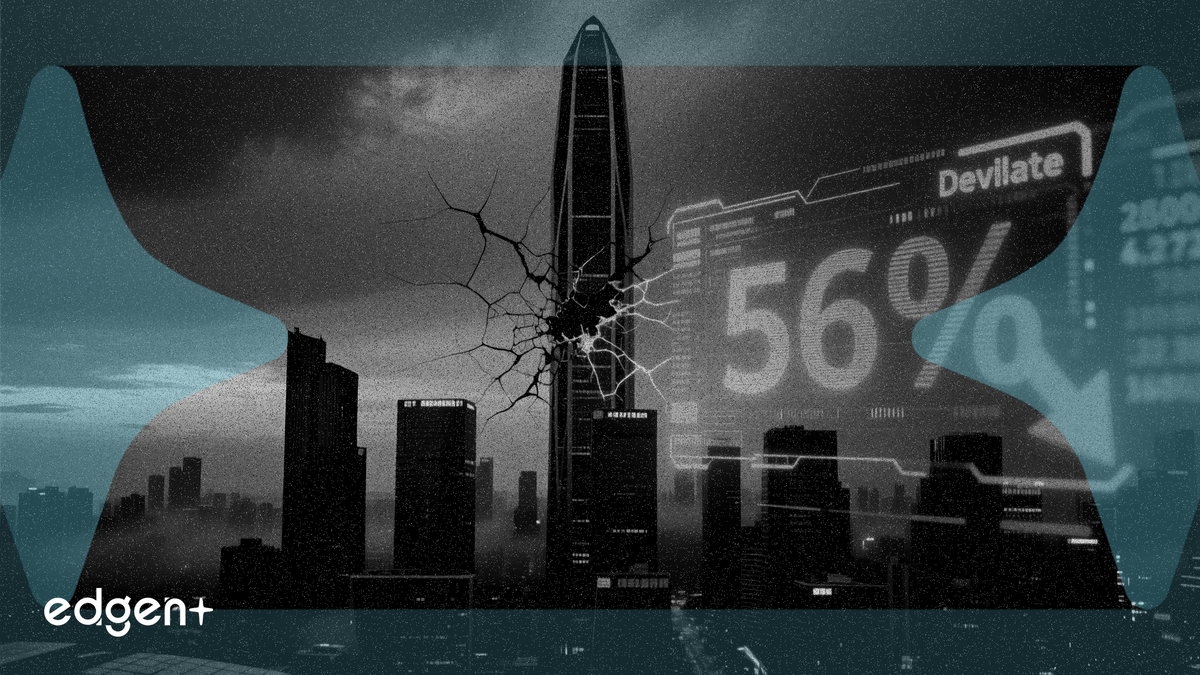
A preference for certainty is reshaping China’s property market, with sales of completed homes in the key hub of Shenzhen accounting for 56 percent of new-home transactions in the first four months of the year. The move away from the once-dominant pre-sale model signals a deep-seated change in buyer psychology after years of construction delays and developer defaults.
"Now, residents' housing consumption is very focused on what you see is what you get," Li Yujia, chief researcher at the Guangdong Housing Policy Research Center, said. "Developers are also changing their development and marketing ideas to follow the trend."
Data from the Beike Research Institute shows that 9,524 existing homes were sold in Shenzhen from January to April, outpacing the 7,479 pre-sale units sold. The trend is gaining traction nationwide, with a project in Tianjin selling over 70 percent of its units in just three hours on its first day, booking 583 million yuan in sales under the slogan "buy is to receive."
The shift to a build-then-sell model is a double-edged sword, however, fundamentally reshaping a development logic that has relied on high-leverage and rapid turnover for two decades. While it de-risks purchases for consumers, it dramatically increases the capital pressure on developers by extending the time their cash is tied up in a project before revenue is generated.
While the move to existing homes addresses buyer concerns, national data reveals a troubling paradox for developers. The total inventory book value for 50 major listed property firms fell 14.7 percent to 7.1 trillion yuan ($1.04 trillion) by the end of 2025, according to real estate information provider CRIC. This suggests efforts to clear a multi-year housing glut are having some effect.
However, the composition of that inventory tells a different story. The share of completed, unsold homes rose to a record high of 22.1 percent of total inventory at the end of 2025, up from 20.8 percent a year earlier. "Even though the absolute volume of completed homes is shrinking, the share is rising because total inventory is falling even faster," said Chen Wenjing, director of policy research at the China Index Academy. "That means developers are still struggling to move finished units off their books."
Regulators are actively encouraging the transition from the land-sale level. Shenzhen began restarting existing-home sale pilots in its land auctions in August 2023, with multiple residential plots since being sold with the requirement that they cannot be pre-sold. The province of Hainan has already moved to a full existing-home sales system.
This policy push, combined with organic buyer demand, is forcing a painful but necessary deleveraging of the industry. The transition will take time, with CITIC Securities forecasting that the drag from inefficient inventory will become manageable by late 2027 and largely cleared by the end of 2028. For developers, the challenge is surviving the intervening years as the fundamental rules of the market are rewritten.
This article is for informational purposes only and does not constitute investment advice.
