
China has issued more than 40 national AI standards since 2025, targeting server performance benchmarks, large model specifications and terminal intelligence classification to lower commercialization barriers for domestic AI firms.
China has issued more than 40 national AI standards since 2025, targeting server performance benchmarks, large model specifications and terminal intelligence classification to lower commercialization barriers for domestic AI firms.
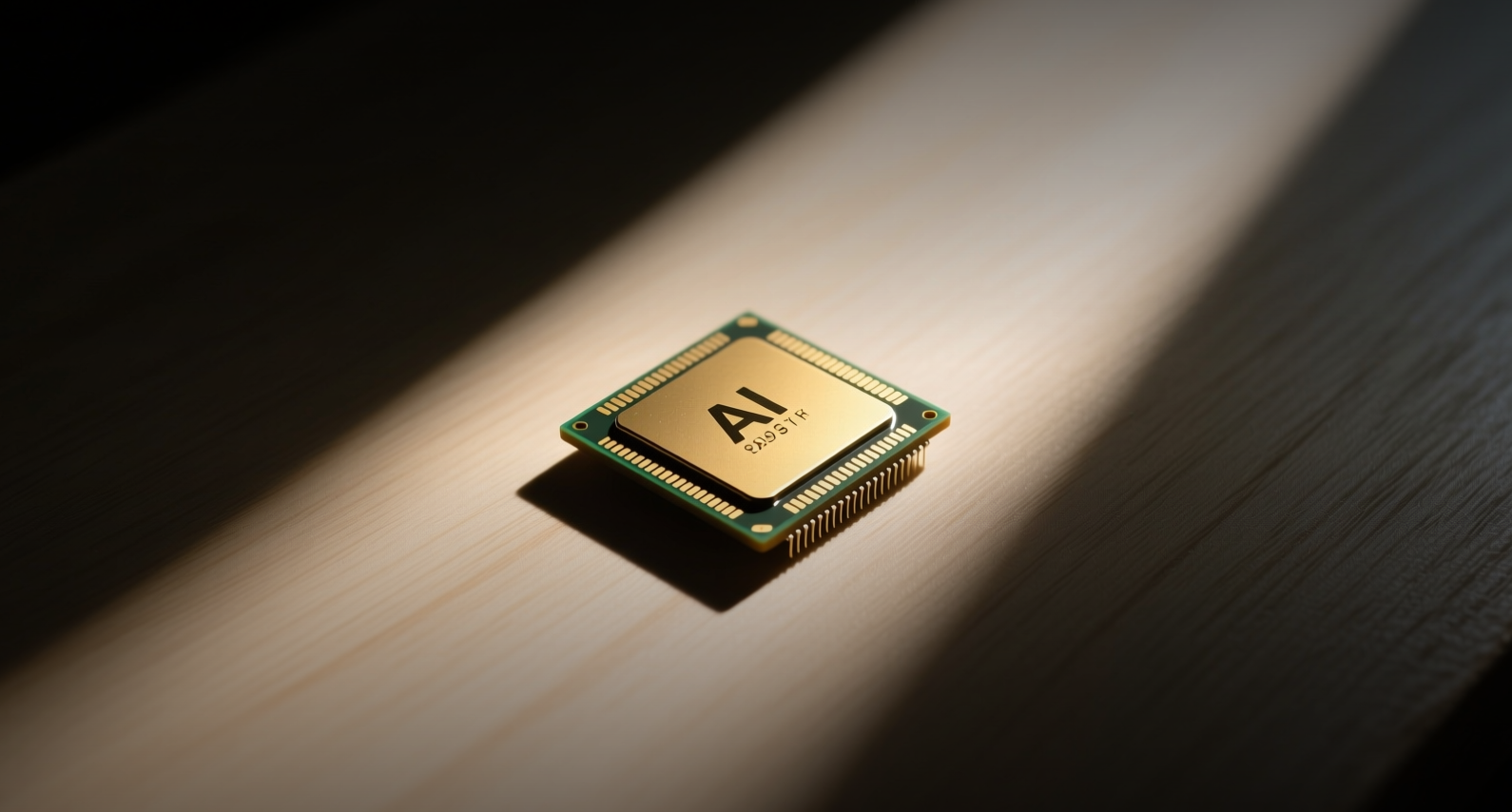
China's push to standardize AI server performance testing, large model development and terminal intelligence through more than 40 national standards since 2025 is lowering R&D costs and accelerating commercialization for the country's AI industry.
"These standards drive AI technology from isolated breakthroughs toward systematic iteration, effectively lowering R&D costs and barriers to large-scale commercialization," the National Standardization Administration said in a statement carried by state broadcaster CCTV.
The standards cover three areas. The server system performance test methods standard establishes benchmarks for AI computing products, guiding upgrades to China's AI server ecosystem. The large models series unifies specifications for development, evaluation and deployment. The terminal intelligence classification standard sets grading criteria to identify products marketed as AI-capable that do not meet minimum requirements, a move the administration said would regulate market order.
The standardization push comes as China races to close the AI compute gap with the U.S., which holds about 75 percent of global AI compute performance versus China's 15 percent, according to a 2025 analysis of 500 supercomputers. China's 15th Five-Year Plan, approved in 2026, mentions AI 52 times and treats computing power, algorithms and data as strategic priorities.
The foundational support standards address hardware benchmarking, a critical area as China's AI server ecosystem scales. The server performance test methods provide a unified yardstick for evaluating AI computing products from different manufacturers, reducing fragmentation that has slowed procurement decisions for data center operators.
On the software side, the large model standards create a full-process framework covering development, evaluation and deployment. This addresses a key bottleneck: Chinese companies have released hundreds of large language models since 2023, but inconsistent evaluation methods made it difficult for enterprise buyers to compare performance. The new standards aim to fix that by establishing common benchmarks.
The terminal intelligence classification standard targets the consumer market, where devices from smartphones to home appliances have been marketed as AI-powered with varying degrees of capability. By setting minimum criteria for what qualifies as intelligent, the standard helps buyers distinguish genuine AI features from marketing claims.
The standardization effort is part of a broader industrial policy push. China's Eastern Data, Western Computing initiative has relocated data center construction to interior regions with abundant renewable energy, though many facilities run at only 20 percent to 30 percent capacity due to latency constraints, according to a Forbes analysis.
On the hardware front, Chinese supercomputer LineShine recently topped the TOP500 list for the first time since 2017, running on more than 13 million CPUs and performing 20 percent better than the previous leader, El Capitan at Lawrence Livermore National Laboratory. Unlike most high-end systems, LineShine uses standard CPUs rather than Nvidia-style graphics processing units.
The global semiconductor market is expected to grow 89.9 percent in 2026 to $1.5 trillion, driven mainly by memory demand, according to WSTS data cited by the Semiconductor Industry Association. AI infrastructure investment is the primary driver, with IDC forecasting 52.8 percent growth in 2026.
For investors, China's standardization push reduces regulatory uncertainty for domestic AI hardware and software companies, potentially accelerating procurement cycles and revenue growth. Chinese AI chip makers and server manufacturers stand to benefit from clearer performance benchmarks, while large model platforms gain a standardized pathway to enterprise deployment. The broader compute race means companies across the AI supply chain, from chip designers to data center operators, face both opportunity and intensifying competition as Beijing coordinates industrial policy across standards, infrastructure and manufacturing.
This article is for informational purposes only and does not constitute investment advice.
