

Cheniere Energy is expanding LNG capacity by more than 10 million tonnes per annum as Strait of Hormuz disruptions create a lasting competitive advantage for US-sourced gas.
Cheniere Energy is expanding LNG capacity by more than 10 million tonnes per annum as Strait of Hormuz disruptions create a lasting competitive advantage for US-sourced gas.
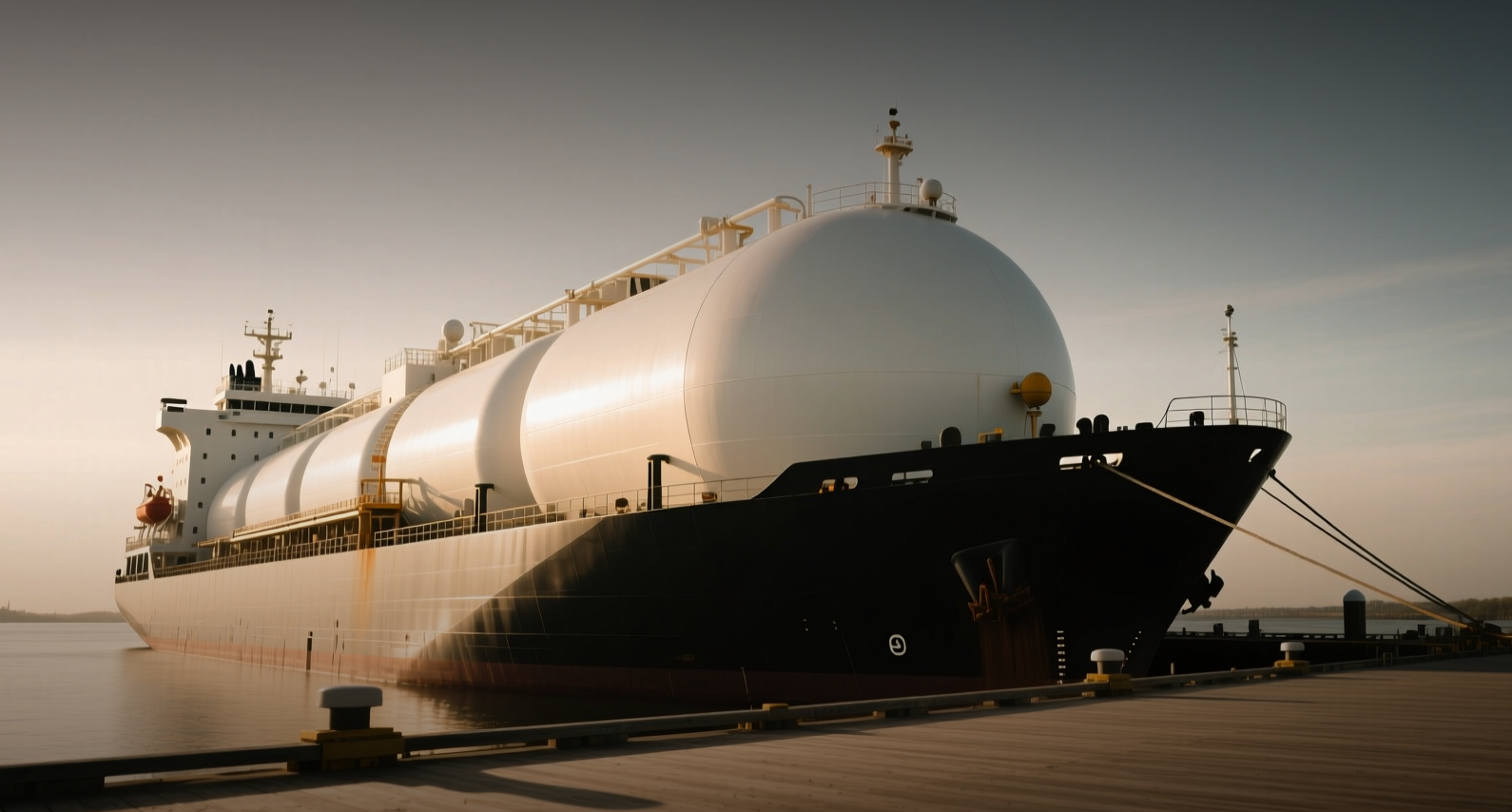
Cheniere Energy has reached substantial completion of Train 6 at its Corpus Christi Liquefaction Stage 3 project in Texas, adding more than 10 million tonnes per annum of export capacity as the reopening of the Strait of Hormuz remains uncertain.
"The bond bid reflects positioning for a BoJ pause," said Takeshi Minami, chief economist at Norinchukin Research.
The company plans seven additional mid-scale trains at CCL, raising the terminal's capacity above 25 mtpa and pushing total company capacity to 55 mtpa. Two further trains — 8 and 9 — will add another 5 mtpa by the end of 2028, while expansion at Sabine Pass gives Cheniere "line of sight to potentially surpass 100 mtpa of LNG production capacity by the mid-2030s," the company said. For context, Qatar exported about 110 mtpa through the Strait of Hormuz in 2025 before the conflict.
The strategic value of that expansion has risen sharply after Iran reimposed restrictions on shipping through the Strait of Hormuz over the weekend, citing alleged violations of a ceasefire agreement. Vessel traffic through the chokepoint — which normally handles roughly a fifth of global oil and LNG supply — plunged to just five ships on Sunday from 26 a day earlier, according to Kpler data. Brent crude futures traded near $80 a barrel as markets priced in renewed supply risk.
Why US LNG wins when the Strait stays closed
The Strait of Hormuz disruption creates a structural tailwind for US exporters that may outlast any temporary ceasefire. Even if a permanent reopening is negotiated, it will take years for Qatar to fully restore the 17 percent of its capacity damaged during the conflict. Energy companies typically sign long-term LNG supply contracts spanning 15 to 20 years, and buyers may be reluctant to commit to Gulf producers given Iran's demonstrated ability to close the waterway. War risk insurance premiums for vessels transiting the strait add another cost layer that erodes the competitiveness of Middle Eastern LNG.
Cheniere de-risks its expansion by securing long-term offtake agreements before making final investment decisions, meaning execution and timing are the primary risks. The CCL Stage 3 progress confirms the company is delivering on schedule. Venture Global similarly signed new binding agreements with German utility EnBW this month for 0.82 mtpa of LNG over about five years starting in 2026, adding to an existing 2 mtpa, 20-year deal — signaling sustained European demand for US-sourced gas.
The IEA expects a gradual recovery of Hormuz traffic but projects the oil market will tip into a significant surplus by 2027. For LNG specifically, the combination of expanded US capacity and persistent supply uncertainty from the Gulf could accelerate a structural shift in global gas trade flows toward Atlantic Basin producers.
This article is for informational purposes only and does not constitute investment advice.
