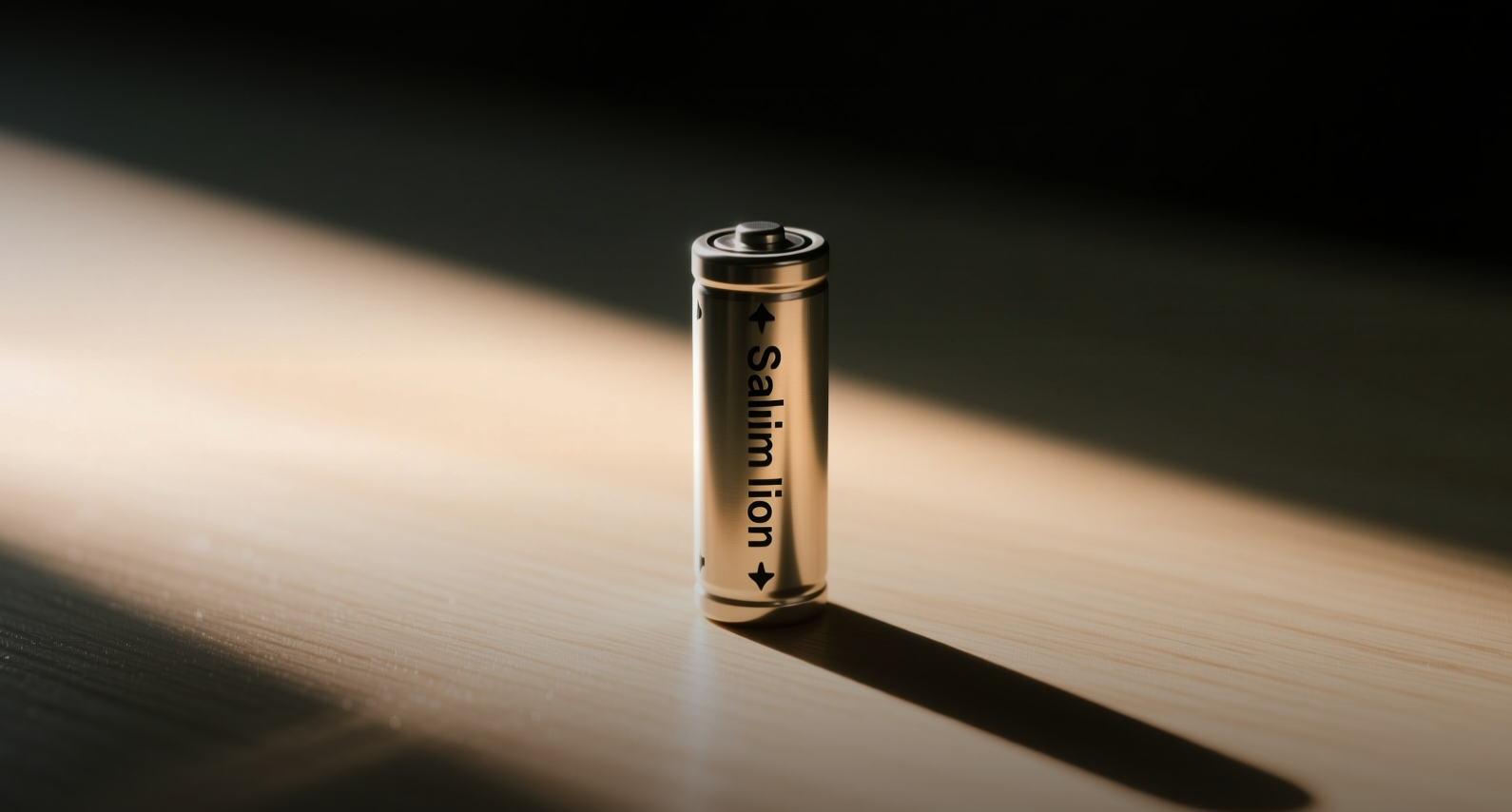
CATL will begin delivering its first sodium-ion battery storage systems in September, targeting 1 GWh in shipments by the end of 2026.
CATL's push into sodium-ion storage threatens to accelerate the displacement of lithium iron phosphate in stationary applications, offering a cheaper alternative that cuts dependency on lithium supply chains.
"Mass production challenges have been solved, yield rates improved and costs reduced," Xu Jinmei, who presented at CATL's energy storage product launch on June 22, said.
The Tener Sodium system has a rated capacity exceeding 30 MWh with a fully modular design. It delivers 15,000 cycles at 25 degrees Celsius — equivalent to a 25- to 30-year service life — and retains more than 92% of capacity at minus 20 degrees Celsius. The system supports one- to eight-hour storage configurations and is fully compatible in size with lithium batteries, allowing smooth switching between chemistries.
CATL shares trade on the Hong Kong exchange at around 22 times forward earnings. The sodium-ion push opens a new revenue stream while hedging against lithium price volatility — a risk that has historically compressed margins across the battery supply chain.
Sodium's Path to Commercial Scale
CATL has invested nearly 10 billion yuan ($1.4 billion) in sodium-ion research and development. The company announced a 5 billion yuan ($739 million) investment to build 40 GWh of sodium-ion battery capacity in Fujian. In April, it signed a three-year supply agreement totaling 60 GWh with Chinese energy storage system provider HyperStrong — the largest known sodium-ion procurement deal in the industry.
The technology is emerging as a complementary chemistry rather than a direct replacement for LFP, which still dominates stationary storage due to established supply chains and bankability. Sodium-ion's advantage lies in material abundance and cost stability: sodium is widely available and less exposed to lithium price swings. In stationary applications, weight and energy density constraints are less critical than cost, safety and cycle life.
CATL founder Robin Zeng has told investors that low-cost sodium-ion batteries could eventually replace 30% to 40% of the existing battery market. The company has been commercializing sodium-ion in passenger vehicles under its Naxtra brand since April 2025.
China's Grip on the Storage Supply Chain
The Tener Sodium launch extends China's dominance in energy storage. Chinese manufacturers accounted for 64% of the 550 GWh global lithium-ion ESS market last year, with CATL alone shipping 167 GWh for a 30% share, according to SNE Research. Seven Chinese firms controlled 83.3% of the market.
China's installed new-generation ESS capacity reached 136 million kilowatts at the end of last year, a more than fortyfold increase from 2020, the National Energy Administration reported. The government targets more than 180 GW of ESS capacity by 2027 under a special action plan that could drive about $35.2 billion in direct project investment.
The concentration extends upstream. China accounts for roughly 65% of global lithium refining, 75% of cobalt refining and more than 90% of graphite refining, according to the International Energy Agency. More than 98% of LFP cathode materials and cells are produced in China.
Global deliveries of Tener Sodium will begin in June 2027, CATL said. The company expects to ship 1 GWh in China by the end of 2026.
This article is for informational purposes only and does not constitute investment advice.