
CATL is taking its battery swap model to Europe through a partnership with Octopus Energy, targeting a 2027 UK launch for electric truck charging infrastructure.
CATL is taking its battery swap model to Europe through a partnership with Octopus Energy, targeting a 2027 UK launch for electric truck charging infrastructure.
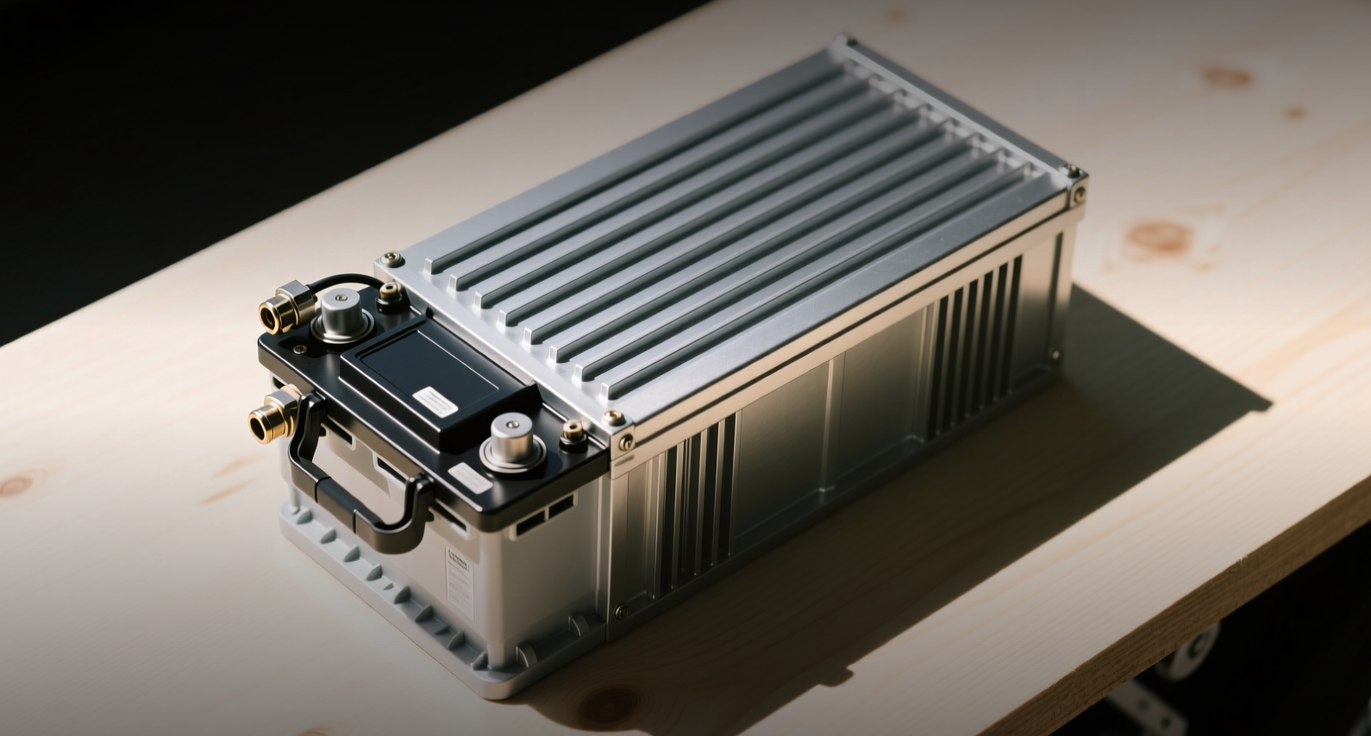
China's Contemporary Amperex Technology Co. Ltd. is partnering with Octopus Energy to build a network of battery swap stations for electric trucks in Europe, with the first sites expected in the UK next year.
"Battery swapping solves the two biggest problems for electric truck fleets: downtime and upfront cost," Greg Jackson, founder of Octopus Energy, said in an interview with the Financial Times.
The partnership pairs CATL, which controls 60% to 90% of global battery supply chains according to the International Energy Agency, with Octopus Energy, one of Europe's largest specialist renewables investors. Octopus recently backed a 98.5 MW / 895 MWh battery storage project in Italy through its Sky fund, and its generation arm has a pipeline of more than 2 GW of Italian clean energy projects spanning battery storage, wind, and solar.
For CATL, the deal opens a new revenue stream beyond battery manufacturing into the EV service sector, while giving Octopus a foothold in the fast-growing electric truck charging market. Europe's truck fleet is under pressure to decarbonize, with the EU's 2035 zero-emission target for new heavy-duty vehicles creating a potential market for thousands of swap stations across the continent.
Battery Swapping Gains Traction Beyond China
CATL has already proven the battery swap model at scale in China through its partnership with NIO, which has built nearly 4,000 swap stations and surpassed 100 million cumulative swaps. The NIO-CATL alliance has been working to standardize battery dimensions and swapping interfaces across the industry, a move that could accelerate adoption in Europe by reducing fragmentation among competing standards.
The truck-focused approach differs from NIO's consumer vehicle network in both scale and economics. Electric trucks require larger batteries — often 400 kWh to 1 MWh per vehicle — making fast charging impractical for fleet operators who need quick turnaround times to maintain delivery schedules. A swap station can exchange a depleted battery in three to five minutes, compared with 30 minutes to several hours for a full charge. For fleet operators, that time saving translates directly into revenue: a truck that swaps instead of charges can complete one or two additional delivery runs per day.
Europe's Clean Energy Push Creates a Market
Italy is racing toward a target of generating 70% of its electricity from renewables by 2030, backed by 10 GW of battery storage. The broader European push for energy security — highlighted at the June G7 summit in Evian — has sharpened the focus on reducing dependence on Chinese clean technology imports while still needing affordable solutions to meet climate goals. The Clean Technology Partnerships Initiative, a new analysis due for release this month, identifies batteries as a priority supply chain where targeted partnerships between allied countries could reduce strategic dependencies.
Octopus Energy's existing European infrastructure investments, including the Sessa Aurunca battery project in Campania that will store enough electricity for 130,000 Italian homes daily, give it the operational experience to manage distributed energy assets. The company's retail energy business, serving millions of households across Europe, also provides a customer base that could integrate with truck charging operations through smart grid management and demand response.
The partnership also highlights a broader shift in the battery industry toward vertical integration. CATL, already the world's largest battery manufacturer by capacity, is increasingly moving into infrastructure and services — a strategy that mirrors NIO's expansion from vehicle manufacturing into energy services. If the European truck swap network succeeds, it could create a template for CATL to replicate the model in other regions, potentially reshaping how commercial EV charging infrastructure is financed and operated.
CATL, listed on the Shenzhen Stock Exchange, trades at a premium to global battery peers as investors price in its dominant market position and control of battery supply chains. The Octopus partnership, while early-stage, signals CATL's strategy to capture value downstream in the EV sector — a move that could support its valuation if the European swap network scales beyond the initial UK sites. For Octopus, the deal deepens its clean energy portfolio beyond generation into transportation infrastructure, a sector that could attract significant capital as Europe's truck fleet electrifies and the EU's 2035 deadline approaches.
This article is for informational purposes only and does not constitute investment advice.
