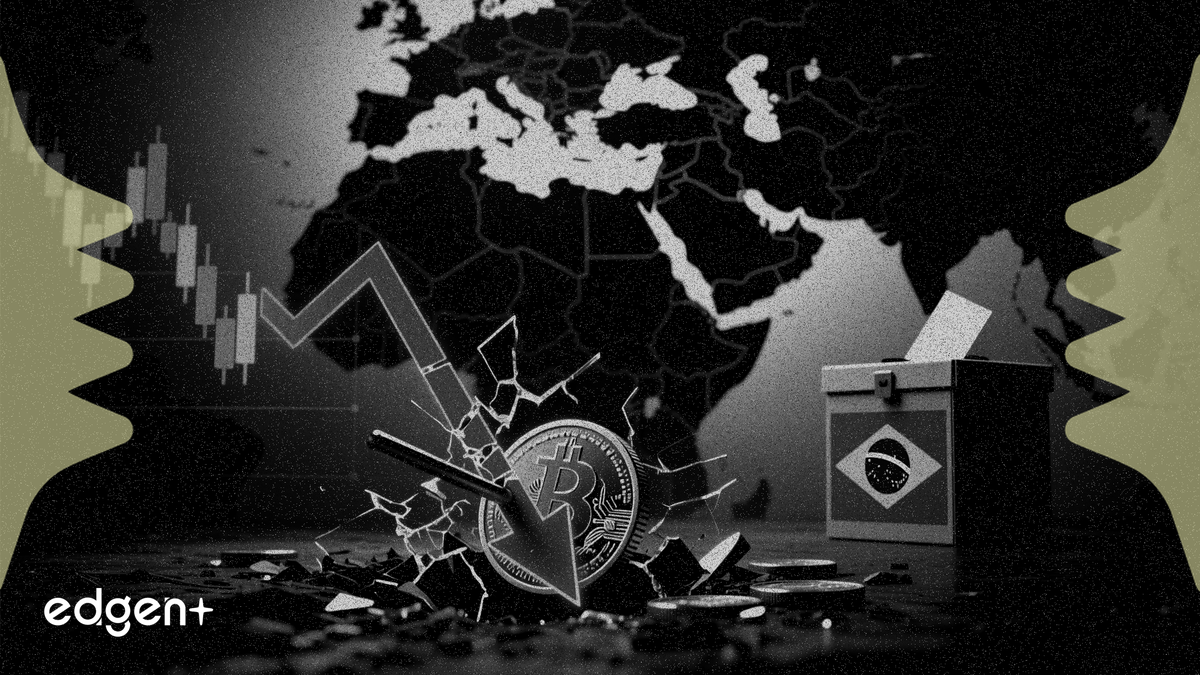
A dual shock of geopolitical tension and domestic political uncertainty sent Brazilian assets tumbling, highlighting emerging-market vulnerability.
Brazilian assets sold off sharply on May 19, with the Bovespa index falling 1.6% and the real weakening 1 percent against the dollar, as Mideast tensions and domestic political worries spooked investors. The move was part of a broader decline across Latin American markets, as investors shed risk amid rising geopolitical temperatures.
"This is a classic double-whammy for emerging markets," said Ricardo Almeida, head of Latin America strategy at Eurasia Group. "Global risk-off from the Iran situation is pulling money out, while the latest polling adds a layer of local uncertainty that investors just don't want to touch right now."
The Bovespa index retreated to a four-month low, caught in a wider emerging-market downdraft that saw the MSCI Latin America currency index decline 0.5 percent. The sell-off accelerated after US President Donald Trump said Washington could launch a new military strike against Iran at any moment, sending capital into the safety of the US dollar.
The rout underscores the vulnerability of emerging markets to a strengthening dollar and external shocks. With the US-Iran standoff disrupting key global trade routes and a contentious presidential election approaching later this year, Brazil faces the risk of sustained capital outflows and a prolonged period of market volatility.
Geopolitical Tremors Rattle Markets
The primary catalyst for the sell-off was escalating tension in the Middle East. The ongoing conflict, which began in late February, has disrupted shipping in the Strait of Hormuz, a critical chokepoint for global energy supplies. British Foreign Secretary Yvette Cooper warned on Monday that the world was "sleepwalking into a global food crisis" due to the disruptions, which have seen daily shipping traffic through the strait plummet.
The flight to safety benefited the US dollar, putting pressure on emerging-market currencies. The Indian rupee, for example, has fallen about 6.1 percent since the conflict began, weighed down by higher oil prices and portfolio outflows. The 1 percent drop in the Brazilian real on Tuesday reflects a similar dynamic, as investors exit riskier assets for the relative security of the dollar.
Domestic Politics Adds to Uncertainty
Compounding the external pressure is a complex domestic political scene. A recent Atlas/Bloomberg poll showed incumbent President Luiz Inácio Lula da Silva leading his challenger, Senator Flavio Bolsonaro, in the presidential race. The cooling expectations for a change in government have unsettled some market participants who were hoping for a more business-friendly administration.
The combination of a global risk-off environment and local political headwinds creates a challenging backdrop for Brazilian assets. The market's sharp reaction highlights how sensitive investor positioning has become, with the Bovespa's 1.6% drop indicating that many are choosing to sell first and ask questions later. The next key indicator for markets will be further developments in the US-Iran negotiations and upcoming polling data ahead of the election.
This article is for informational purposes only and does not constitute investment advice.