

Biohaven Ltd. enrolled the first patient in a Phase 3 trial of BHV-1300, a first-in-class drug that degrades the autoantibody driving Graves' disease.
Biohaven Ltd. enrolled the first patient in a Phase 3 trial of BHV-1300, a first-in-class drug that degrades the autoantibody driving Graves' disease.
Biohaven Ltd. enrolled the first patient in a Phase 3 trial of BHV-1300, a first-in-class drug that degrades the autoantibody driving Graves' disease.
"Enrolling the first patient is an important moment for the Graves' disease community," Beth Emerson, Executive Medical Director at Biohaven, said.
The randomized, double-blind, placebo-controlled study will enroll about 300 adults, with a primary endpoint of restoring normal thyroid function at 26 weeks without antithyroid drugs. Phase 1b data showed BHV-1300 reduced pathogenic TSHR autoantibodies by more than 80% and normalized free T4 and free T3 in patients with Graves' hyperthyroidism, while preserving IgG3, IgA, IgM and IgE. Nearly 200 individuals have received the company's MoDE and TRAP extracellular protein degraders in Phase 1 testing, with most adverse events mild and self-resolving.
No new therapy has been approved for Graves' disease in more than 70 years. The condition affects about 1% of the global population and is the most common cause of hyperthyroidism. Among patients on antithyroid drugs, 93% report ongoing symptoms and 72% report five or more, according to Biohaven. BHV-1300 targets the TSHR-IgG1 autoantibody at the root of the disease rather than the thyroid gland itself, a shift from existing treatments that suppress thyroid function or destroy the gland.
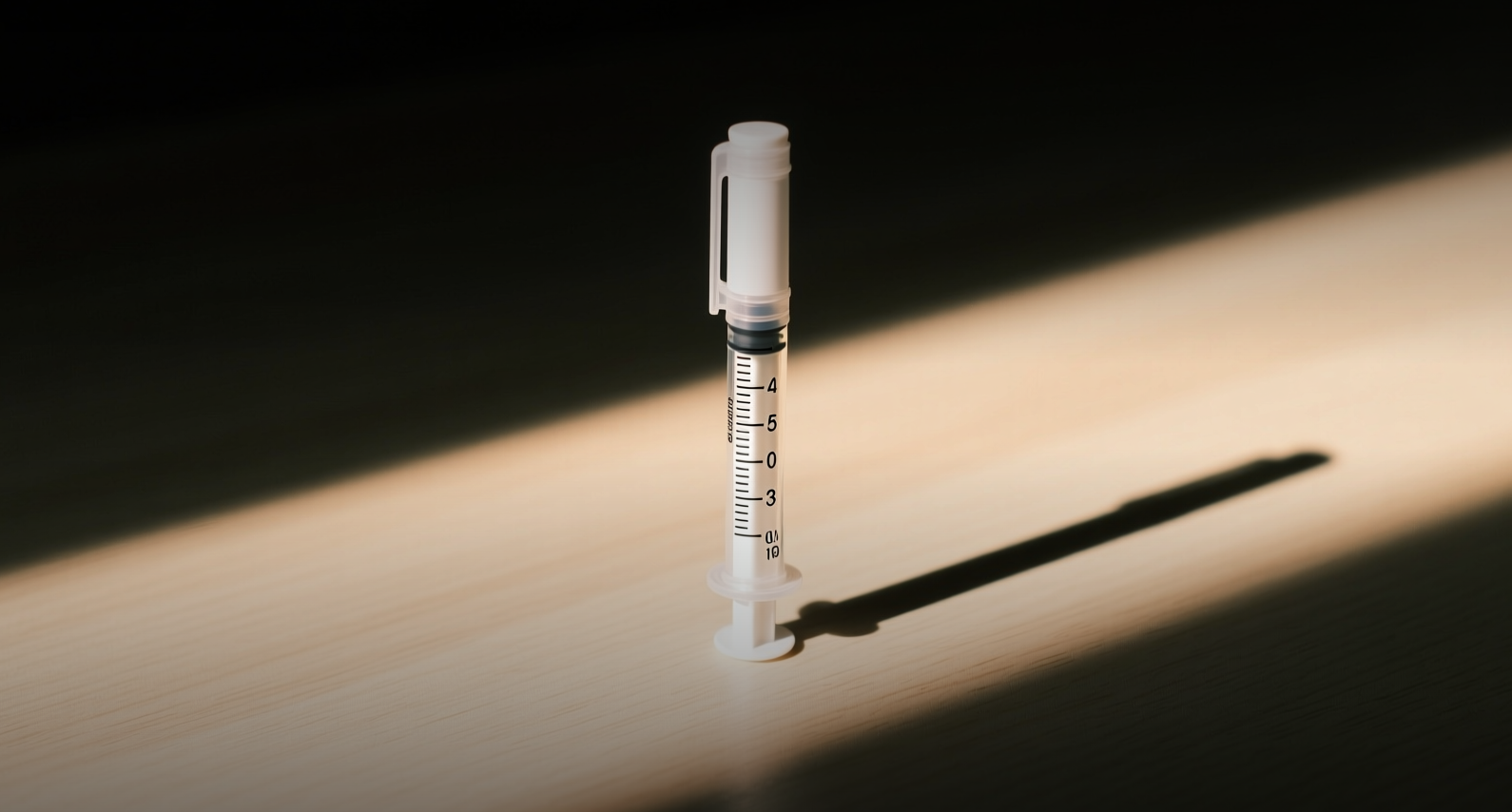
BHV-1300 is a small-molecule IgG1,2,4 degrader that harnesses the body's hepatic clearance pathways to selectively eliminate disease-driving antibodies. Unlike FcRn inhibitors, it spares IgG3 — which protects against bacteria, viruses and parasites — and does not accelerate clearance of co-administered biologic therapies. The drug is delivered via a self-administered autoinjector designed for home use.
The MoDE platform was exclusively licensed from Yale University, where the technology originated in the Spiegel Lab. BHV-1300 is the first extracellular protein degrader to reach a late-stage trial, opening a new therapeutic approach in precision immunology. The TSHR autoantibody also drives thyroid eye disease and pretibial myxedema, expanding the potential market beyond hyperthyroidism.
Biohaven shares have gained 40% this year, giving the company a market value of about $2.4 billion. BofA Securities downgraded the stock to Underperform on Monday, citing concerns about the company's epilepsy drug candidate, while Raymond James maintained a Strong Buy rating with a $50 price target. Investors will watch for data from the 300-patient study, with the primary endpoint readout at 26 weeks.
This article is for informational purposes only and does not constitute investment advice.
