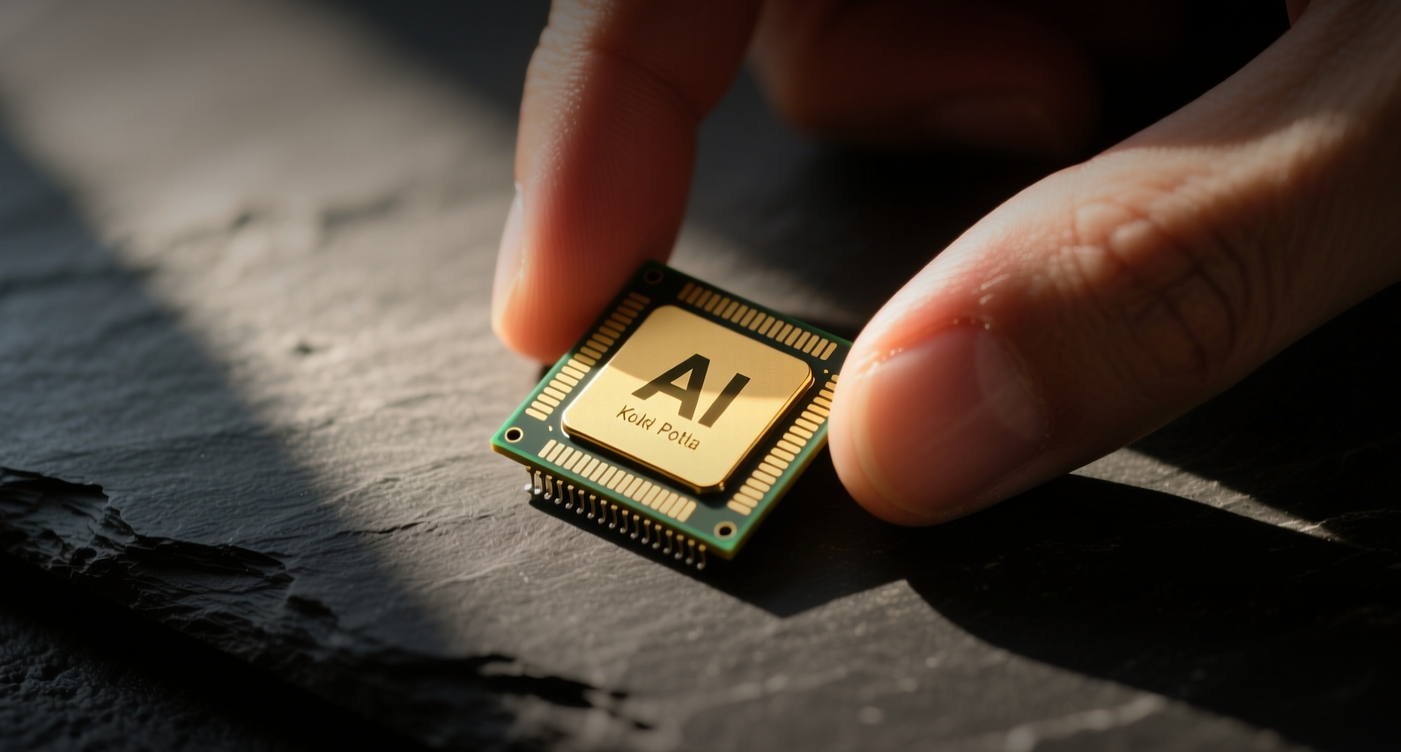
Wall Street enters Q2 earnings season with one question: when will record AI spending translate into revenue growth.
Investors enter Q2 earnings focused on whether record AI spending by Big Tech is translating into revenue growth, Wedbush said.
"Recent weakness in large-cap technology stocks reflects growing investor concerns over the timing of returns from record AI infrastructure investments rather than a deterioration in the long-term outlook," Wedbush analysts wrote in a note Monday.
The scrutiny comes as hyperscalers — Alphabet Inc., Microsoft Corp., Amazon.com Inc., Meta Platforms Inc. and Oracle Corp. — are expected to spend well over $700 billion on capital expenditures in 2026, according to Goldman Sachs Group Inc. The S&P 500's profits increased 28% year over year in the first quarter, its fastest pace since 2021, with about half of the earnings expansion tied directly to AI infrastructure spending. Technology sector earnings are estimated to grow 63.2% year over year in the second quarter, FactSet data shows.
The stakes are high: the S&P 500 has gained more than 7% this year, with corporate profit growth driving essentially all of the index's returns over the past 12 months. If Q2 reports fail to show AI spending converting into revenue, the sell-off that hit large-cap tech stocks in June could deepen, analysts warn.
The Magnificent Seven under pressure
The Magnificent Seven — Microsoft, Apple Inc., Nvidia Corp., Tesla Inc., Alphabet, Meta and Amazon — underperformed the broader market during last week's tech-led sell-off, with the average stock in the S&P 500 gaining 1.6% while tech and AI-related names declined. The iShares Future AI and Tech ETF remains more than 50% higher year to date even after falling 10.4% from its peak, suggesting the pullback was profit-taking rather than a structural shift.
Semiconductor companies, led by Nvidia and Broadcom Inc., are expected to post the most substantial profit increases during the upcoming earnings season, which kicks off in late June. Memory suppliers Micron Technology Inc. and Sandisk Corp. have been the S&P 500's best-performing stocks this year, with Micron up more than 296% year to date after raising its earnings guidance.
Risks beyond the AI narrative
Goldman Sachs raised its S&P 500 year-end 2026 target to 8,000, projecting 24% earnings per share growth to $340, but the bank's strategists cautioned that when half of index earnings growth comes from a single technology theme, the market becomes a leveraged bet on that theme's momentum.
Apple Inc. recently said it was raising prices on some products because of rising memory costs, raising concerns about demand destruction. The stock fell sharply on the news. Meanwhile, the Federal Reserve is considering raising interest rates after inflation hit a three-year high, which could cap stock valuations. Oil prices have retreated to below $70 a barrel after topping $110 during the Iran conflict, easing one inflationary pressure but leaving geopolitical uncertainty intact.
The implications for investors are clear: Q2 earnings will determine whether the AI capex cycle can sustain the bull market or whether the market needs to recalibrate expectations. Nvidia's quarterly report, expected in late August, will be the most closely watched event of the season — a beat tends to lift the entire tech sector, while a miss could trigger a broad sell-off across both equities and digital assets.
This article is for informational purposes only and does not constitute investment advice.