
Asian equities opened the week on a cautious note as investors pivoted from macro relief to earnings scrutiny, with Samsung Electronics' profit report set to test whether the AI-driven rally can withstand a reality check.
Asian equities opened the week on a cautious note as investors pivoted from macro relief to earnings scrutiny, with Samsung Electronics' profit report set to test whether the AI-driven rally can withstand a reality check.
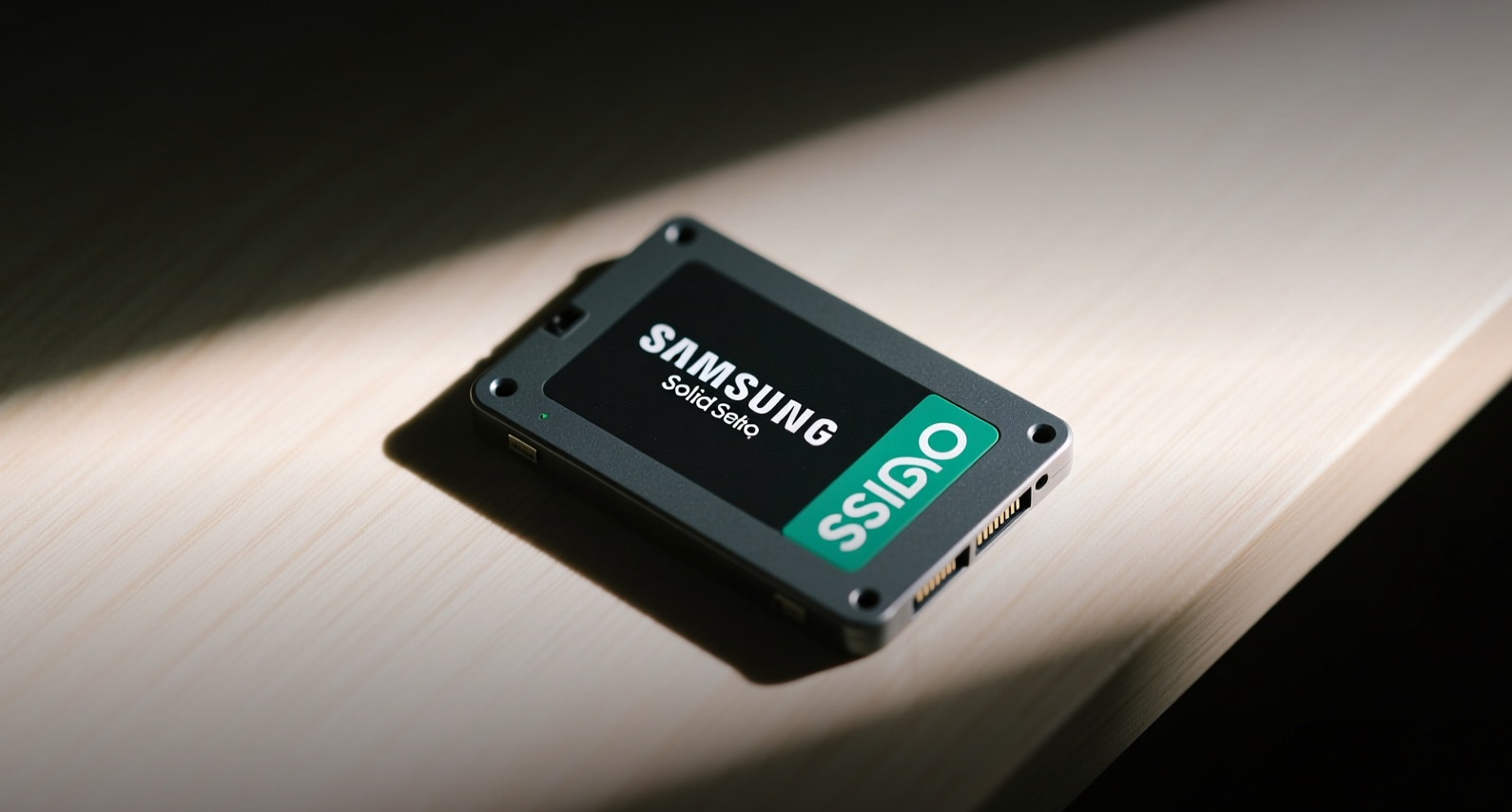
Asian equities opened the week on a cautious note as investors pivoted from macro relief to earnings scrutiny, with Samsung Electronics' profit report set to test whether the AI-driven rally can withstand a reality check.
MSCI Asia-Pacific ex-Japan edged down 0.2% on Monday, while the Nikkei 225 fell 1.4% and the Kospi slid 1.2% ahead of Samsung's earnings. Chinese blue chips were little changed.
"Even if you thought there was a risk the Fed might move soon, I think we're safe at least for another month," said Richard Yetsenga, head of research at ANZ. "Our view overall still is the Fed won't do anything, but clearly we've been above target on the Fed's preferred inflation measure for five years. There is some risk that the Fed just runs out of patience."
The cautious open followed a softer-than-expected U.S. payrolls report that showed nonfarm payrolls increased by just 57,000 in June, missing the 115,000 consensus estimate. The data, combined with a slide in crude oil prices, led markets to price a 78% chance the Federal Reserve will hold rates steady at its July 29 meeting. Brent crude slipped 0.5% to near four-month lows at $71.79 a barrel after OPEC+ agreed to raise output targets by 188,000 barrels per day from August, while ships continued transiting the Strait of Hormuz despite ongoing U.S.-Iran peace talks. The dollar index steadied at 100.880, while the yen edged up 0.2% to 161.79 per dollar.
The real test arrives Tuesday when Samsung Electronics, the world's largest memory chipmaker, is expected to report an 18-fold surge in operating profit to 86 trillion won ($56.35 billion) for the April-to-June quarter, according to an LSEG SmartEstimate. The result will serve as a barometer for the global semiconductor cycle and determine whether the AI-fueled rally in Asian tech stocks — South Korea's Kospi is still up 90% this year — has further room to run.
Lower Oil and Weak Jobs Data Support Fed Pause View
The cooling in energy costs, combined with the disappointing payrolls report, has reduced the urgency for the Fed to resume tightening. Futures markets now imply a 78% probability of no change at the July 29 meeting, up sharply from before the data release. Minutes of the Fed's last meeting, due Wednesday, should offer color on the hawkish turn by some board members — though that discussion preceded the recent slide in oil prices.
U.S. equity futures pointed to a firmer open, with S&P 500 futures adding 0.2% and Nasdaq futures rising 0.7% after last week's 2.1% gain. In Europe, EUROSTOXX 50 futures dipped 0.2%, while DAX and FTSE futures were flat. The data calendar this week includes the U.S. ISM Services survey, forecast to show a slight pullback to a still-healthy 54.0, and appearances by Fed Governor Christopher Waller and New York Fed President John Williams at an ECB conference.
This article is for informational purposes only and does not constitute investment advice.
