

A weaker-than-expected US jobs report sent Asia-Pacific equities on a wild ride, with Hong Kong surging 2% while Tokyo and Seoul swung from steep losses to gains.
A weaker-than-expected US jobs report sent Asia-Pacific equities on a wild ride, with Hong Kong surging 2% while Tokyo and Seoul swung from steep losses to gains.
A weaker-than-expected US jobs report sent Asia-Pacific equities on a wild ride, with Hong Kong surging 2% while Tokyo and Seoul swung from steep losses to gains.
Hong Kong's Hang Seng Index jumped 457 points, or 2%, to 23,512 on Thursday after US payrolls data missed estimates by nearly half, cooling expectations for further Federal Reserve rate hikes.
"The lower-than-expected jobs number portends less likelihood of potential rate hikes later this year," David Meger, director of metals trading at High Ridge Futures, said.
The US economy added 57,000 jobs in June, the Labor Department reported Wednesday, well below the 110,000 consensus estimate. The unemployment rate held at 4.2%. Traders now see a 51% chance of a rate hike by September, down from 66% before the data, according to the CME FedWatch tool.
The data shifts the narrative for Asian markets that had been bracing for tighter US monetary policy under new Fed Chairman Kevin Warsh. With oil prices falling toward $67 a barrel and the jobs market cooling, the case for further tightening has weakened materially.
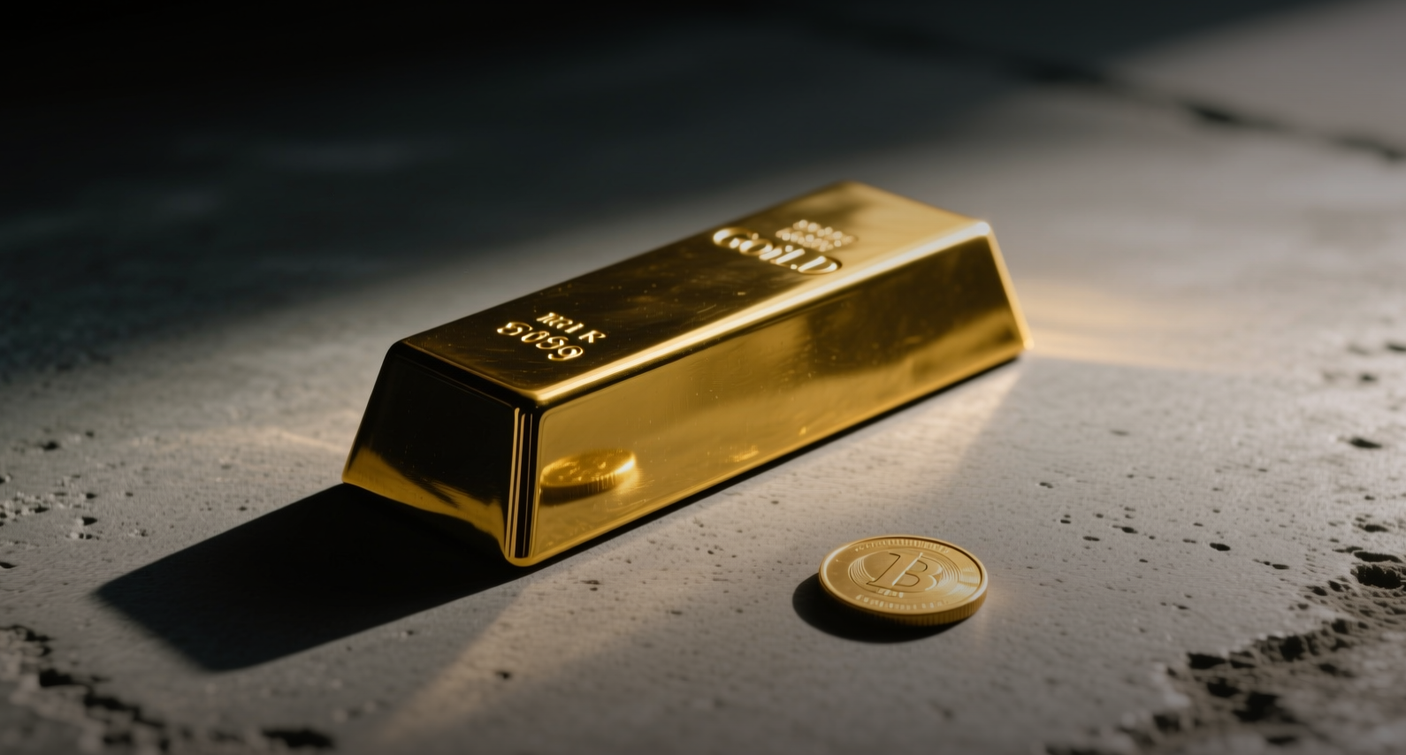
The Hang Seng Index's advance was led by gold-related stocks, with Zijin Mining Group rising 9.5% and Laopu Gold adding 7.2%, as spot gold climbed 1.4% to $4,179 an ounce. Turnover reached HKD 71 billion in early trade.
Japan's Nikkei 225 experienced extreme intraday volatility, plunging as much as 1,123 points to 67,609 before reversing course to trade 135 points higher at 68,868. Pharmaceutical stocks led the rebound, with Shionogi & Co., Chugai Pharmaceutical and Sumitomo Pharma gaining 4% to 4.7%. Fast Retailing added 4%, while SoftBank Group fell 3%.
South Korea's KOSPI followed a similar pattern, opening 1.2% higher before slumping 3.5% to a session low of 7,378, then recovering to trade at 7,786, up 1.8%. Samsung Electronics swung from a 0.9% decline to a 4.2% gain, while SK Hynix rebounded from a 6.5% drop to trade 2.1% higher.
Singapore's Straits Times Index edged up 0.2% to 5,225, approaching its record high of 5,241. Australia's S&P/ASX 200 rose 1%, while Malaysia's KLCI and Philippine stocks each gained 0.7%.
The weaker dollar amplified gold's appeal, with the US Dollar Index falling 0.7%, making dollar-priced metals cheaper for holders of other currencies. Spot gold's advance to $4,179 extended a rally that began after the payrolls miss, as lower rate expectations reduce the opportunity cost of holding non-yielding bullion. The World Gold Council reported that central banks added a net 41 tons of gold to reserves in May, showing sustained official-sector demand.
The jobs data undercuts the hawkish pivot that had gained traction at the Federal Reserve's June meeting. Cleveland Fed President Beth Hammack had warned in a CNBC interview Tuesday that "inflation is still too high" and that rate hikes "may need to be considered." But with oil prices falling toward $67 a barrel, the probability of a July rate hike has fallen to 34% from 66% in early June, the CME FedWatch tool shows. Analysts at TD Securities had forecast payrolls would moderate to 80,000, still above the actual 57,000 print.
For Asian equities, the cooling US labor data removes a key headwind that had been building since Warsh took the helm. If the Fed holds steady through year-end, capital flows could rotate back toward emerging markets, with Hong Kong and Singapore best positioned to benefit given their exposure to global trade and commodity-linked sectors. The next test comes with US CPI data later this month, which will determine whether the dovish repricing has further room to run.
This article is for informational purposes only and does not constitute investment advice.
