

Arm Holdings' AI opportunity runs deeper than the accelerator trade, spanning four computing markets through a royalty model that scales without factory cost.
Arm Holdings' AI opportunity runs deeper than the accelerator trade, spanning four computing markets through a royalty model that scales without factory cost.
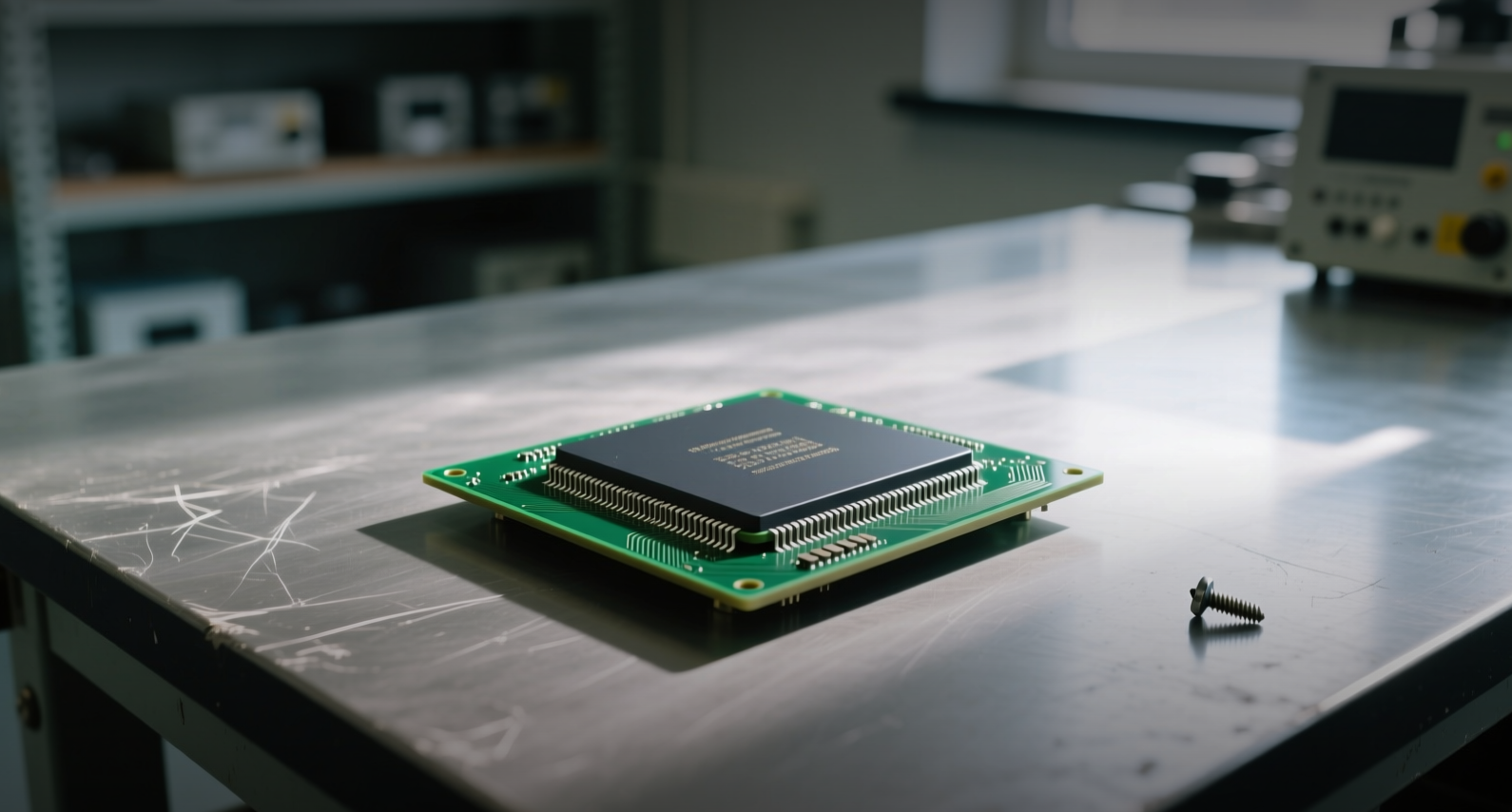
Arm Holdings' AI growth opportunity extends beyond the accelerator hype, spanning four computing markets — smartphones, data-center processors, automotive systems and edge devices — where its energy-efficient architecture gains ground as performance per watt becomes critical.
"Hyperscalers including Amazon, Microsoft, Alphabet, Meta and Oracle are driving AI infrastructure spending and shaping the semiconductor market," David O'Connor, equity research analyst at BNP Paribas, said.
Unlike chipmakers that sell finished silicon, Arm licenses its processor architecture to a broad group of chipmakers, collecting royalties as those designs reach smartphones, servers, cars and connected devices. The asset-light structure lets Arm expand revenue without the capital-intensive fabs that burden traditional semiconductor makers. The proliferation of custom silicon and AI-enabled devices adds further avenues for the architecture to spread, as more industries embed AI into their products and operations.
Investor expectations remain elevated, leaving Arm exposed to execution and valuation risk. Yet the company's AI prospects rest on structural industry trends rather than market excitement alone. As enterprises and cloud providers prioritize energy efficiency, demand for Arm-based processors could accelerate in markets where performance per watt is decisive.
Arm's royalty-based business generates expanding revenue as customers incorporate its designs into more products, without bearing the manufacturing costs that weigh on traditional chipmakers. This contrasts with peers that sell complete hardware and software solutions. Because Arm collects royalties across smartphones, data-center processors, automotive systems and edge devices, its revenue streams diversify across end markets rather than depending on a single product cycle. The model benefits as enterprises and cloud providers prioritize energy efficiency, accelerating demand for Arm-based processors in markets where performance per watt is decisive.
As AI workloads drive power demand across data centers, energy efficiency has become a decisive factor in processor selection. Arm's architecture, designed around performance per watt, is well positioned as enterprises and cloud providers seek to contain power costs. This dynamic could accelerate adoption of Arm-based processors in data centers and edge devices, where power consumption directly affects operating costs.
Nvidia dominates the AI accelerator market with its GPUs and networking platforms, generating revenue through direct chip sales. Arm, by contrast, benefits as more semiconductor companies adopt its CPU architecture to build AI-optimized processors — making the two complementary in many deployments rather than direct rivals. Advanced Micro Devices competes in CPUs, GPUs and data-center processors through product innovation, while Arm gains from broader adoption of its intellectual property across multiple customers and end markets. As demand for custom AI chips and energy-efficient computing grows, Arm's licensing model positions it to capture value across the industry rather than competing on a single product line.
Arm's opportunity is not confined to a single end market. The widening adoption of its architecture across data centers, devices and custom silicon supports sustained royalty growth. As AI workloads drive power demand, the company's energy-efficient designs become more valuable, potentially strengthening its competitive moat. But with expectations already elevated, the market has priced in much of the upside, leaving little room for execution missteps. The company's asset-light model and expanding design wins provide a foundation for long-term growth, yet investors should weigh the valuation risk against the structural tailwinds.
This article is for informational purposes only and does not constitute investment advice.