


Key Takeaways: Apple's reported chip deal with Intel arrives as its stock recovers from a June low, giving investors a fresh catalyst for the nearly $4 trillion tech giant.
Key Takeaways: Apple's reported chip deal with Intel arrives as its stock recovers from a June low, giving investors a fresh catalyst for the nearly $4 trillion tech giant.
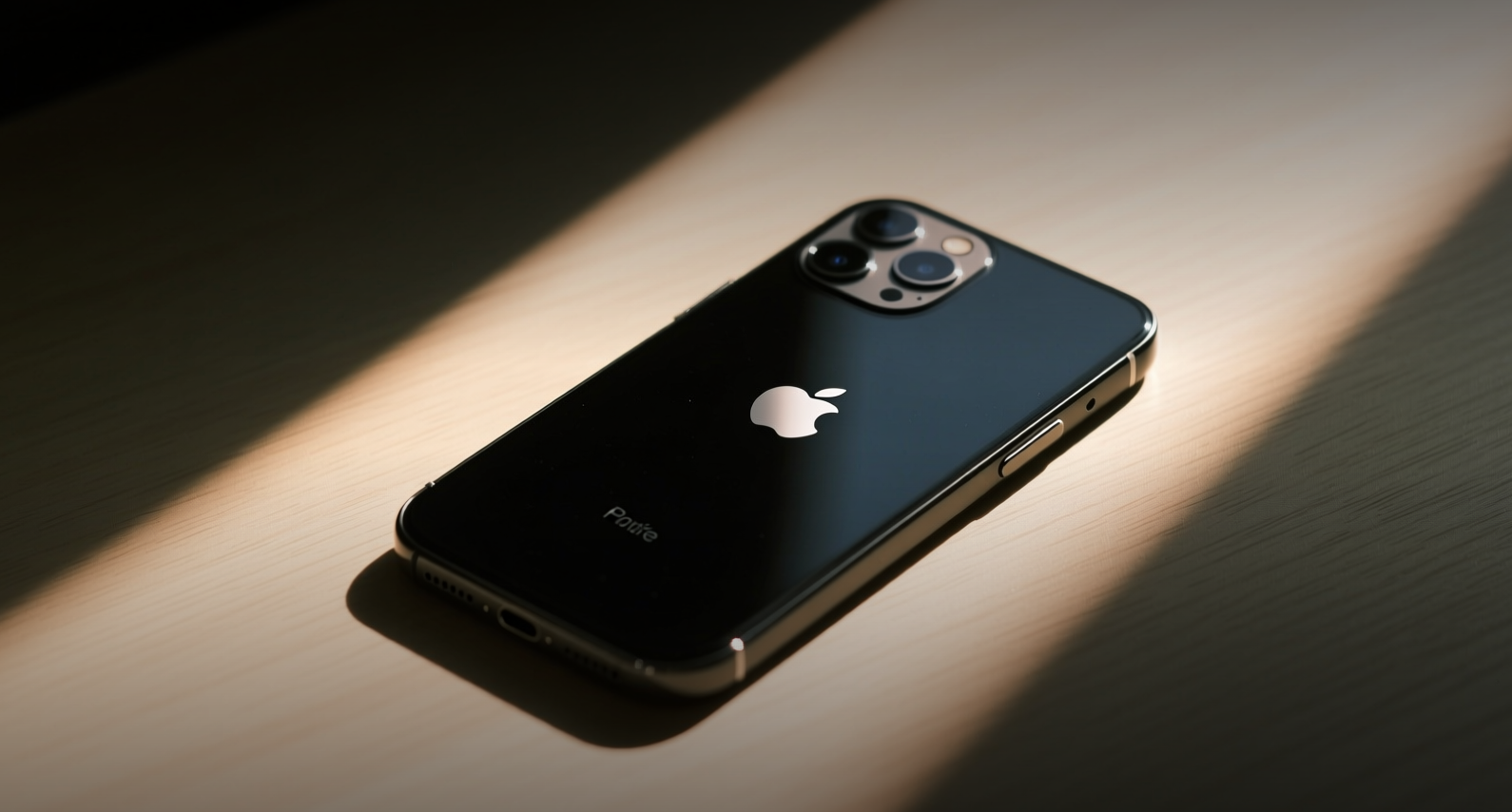
Apple's reported chip manufacturing deal with Intel arrives as the iPhone maker's stock recovers from a June low, giving investors a fresh catalyst for the nearly $4 trillion tech giant.
Apple Inc.'s reported agreement to manufacture chips with Intel's foundry gives the iPhone maker a second U.S.-based supply source for mature silicon, reducing its sole reliance on Taiwan Semiconductor Manufacturing Co.
"The first step is always the hardest. If it actually does happen, at least it's the first step," Stacy Rasgon, analyst at Bernstein, said on CNBC.
Apple shares rose 0.7% to $298.01 on the news, recovering from a low earlier this month and approaching the all-time high set weeks ago. Neither company has confirmed the arrangement, which former President Donald Trump posted on Truth Social last week. Wedbush analysts said Apple's involvement would likely focus on mature or lower-end silicon rather than flagship A-series or M-series processors.
For Apple, the calculus is supply diversification. Chief Executive Officer Tim Cook recently warned that product price increases are "unavoidable" as AI demand bids up memory and storage costs, with TechInsights estimating an extra $270 in cost on the next iPhone Pro. A second U.S.-based source on mature nodes provides cheap insurance for a company worth nearly $4 trillion.
A small first step with strategic weight
Apple has relied on TSMC for years for its most advanced processors, including the A18 and M4 chips built on the Taiwanese foundry's 3nm node. Pulling any wafer volume back to Arizona represents symbolic capital that compounds over time. Intel's 18A node is already in high-volume manufacturing in Arizona, and the 18A-P process recently entered risk production. If Apple's first parts run on those lines, the partnership moves from rumor to revenue.
The dollars at stake on day one are small. Rasgon said the rumored part is probably a low-margin PC chip. But the strategic value extends beyond the initial product. Intel Foundry revenue reached $5.4 billion in Q1 FY2026, up 16% year over year, accelerating from 4% growth in Q4 2025. Chief Executive Officer Lip-Bu Tan attributed the jump to "unprecedented demand for silicon and advanced packaging." The foundry still posted operating losses of $2.5 billion in Q4 2025, meaning Tan needs external customers to fill the new Arizona fabs for the depreciation math to work.
Intel has been building its foundry customer roster. NVIDIA committed $5 billion to Intel common stock last year, SoftBank added $2 billion, and Intel joined the Terafab project alongside SpaceX, xAI, and Tesla. The U.S. government took roughly a 10% stake and disbursed $5.7 billion in CHIPS Act funding in Q3 2025 alone. Apple would be the consumer-brand stamp the roster has been missing.
What the deal means for Apple's stock
Apple shares trade at roughly 30 times forward earnings, a premium to the S&P 500's 22 times but below their five-year average of 33 times. The Intel deal provides a narrative shift: instead of a company absorbing higher input costs from AI-driven component inflation, Apple is taking active steps to secure supply chain optionality.
The stock has been under pressure this month as investors weighed the cost implications of rising memory and storage prices. Bank of America's Vivek Arya, who double-upgraded Intel to Buy on June 11 with a $135 price target, modeled Intel foundry revenue surpassing $45 billion by 2030 — a figure that, if realized, would make Intel a more credible long-term partner for Apple's silicon needs.
For now, the investor question is whether Apple and Intel confirm the arrangement and at what node. If the announcement remains a Truth Social post, the foundry premium baked into Intel's stock — up 563% over the past year to above $140 — becomes harder to defend. But if Apple signs on, the first step toward diversifying away from TSMC becomes a credible second one.
This article is for informational purposes only and does not constitute investment advice.
