

Apple's bid to source DRAM from a blacklisted Chinese chipmaker exposes how AI-driven memory costs are breaking even the world's most valuable company.
Apple's bid to source DRAM from a blacklisted Chinese chipmaker exposes how AI-driven memory costs are breaking even the world's most valuable company.
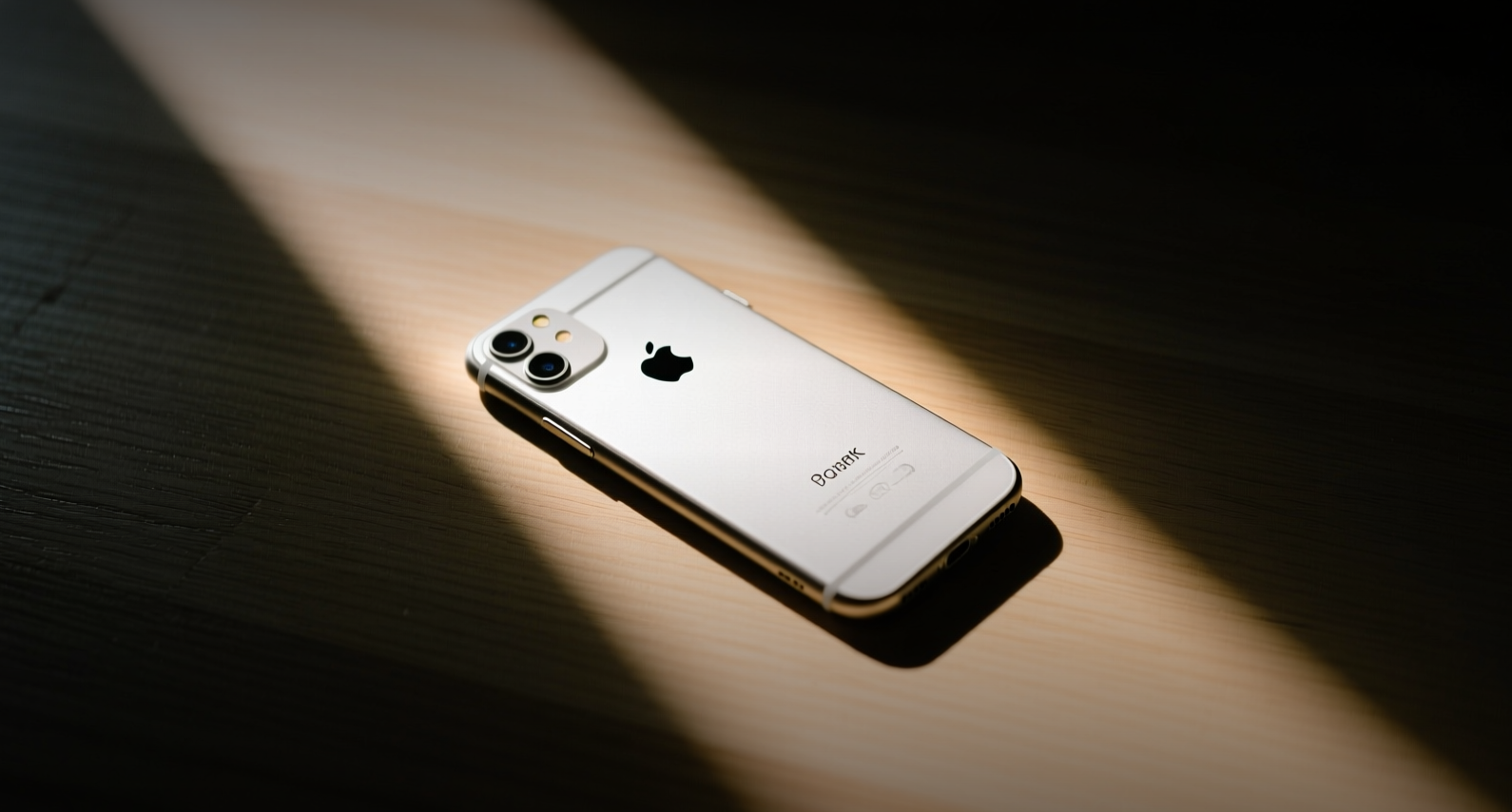
Apple Inc. is lobbying the Trump administration for approval to purchase memory chips from ChangXin Memory Technologies (CXMT), a Chinese manufacturer on the Pentagon's blacklist, as surging DRAM prices tied to AI demand erode margins at the world's largest technology company.
"Apple has approached the Commerce Department over the past month seeking permission to source DRAM from CXMT," a person familiar with the matter told the Financial Times, speaking on condition of anonymity because the discussions are private.
The lobbying effort follows Apple's decision on June 25 to raise prices across its iPad and MacBook lineups, citing memory costs it could no longer absorb. The move triggered a $263 billion single-day market capitalization loss — the second-largest in the company's history. Apple's DRAM supply currently comes from three dominant players: Micron Technology Inc., Samsung Electronics Co. and SK Hynix Inc., an oligopoly that has tightened pricing as AI data center demand for high-bandwidth memory has squeezed supply for consumer-grade chips.
If approved, the CXMT deal would mark a seismic shift in the global memory supply chain, giving Apple access to a fast-growing Chinese supplier that reported first-quarter revenue of 50.8 billion yuan ($7 billion), up 719% from a year earlier. CXMT, which received Chinese regulatory approval for a 29.5 billion yuan ($4.1 billion) initial public offering on Shanghai's STAR Board on June 12, expects first-half revenue of 110 billion to 120 billion yuan — a more than sixfold increase from the prior year.
The DRAM market's concentration has become a liability for Apple. Three suppliers control virtually all production, and the AI boom has upended the pricing dynamics that once favored large buyers. Technology companies have poured hundreds of billions of dollars into AI infrastructure over the past three years, driving demand for high-bandwidth memory — the specialized chips used in Nvidia Corp.'s graphics processors — to record levels. That has diverted manufacturing capacity away from the standard DRAM used in laptops and tablets, pushing up prices across the board.
Apple's price increases on the iPad and MacBook reflect a broader trend. Other consumer electronics manufacturers have taken similar steps, the company said, though it did not name them. The $263 billion valuation hit — Apple's shares fell roughly 8% on the day of the announcement — shows how sensitive investors have become to any sign that input cost inflation is cutting into margins at a company that generated $391 billion in revenue last fiscal year.
CXMT, China's leading memory chip manufacturer, has been designated by the U.S. Defense Department under Section 1260H as a company with alleged ties to the Chinese military. It also sits on the Commerce Department's Entity List, which restricts American companies from exporting goods or technology to listed firms without a special license — licenses that are rarely granted.
The company's financial trajectory underscores how quickly China's semiconductor industry is advancing. CXMT's first-quarter net profit of 24.76 billion yuan ($3.4 billion) represented a 1,688% surge from the prior year. The company projects first-half net profit of 50 billion to 57 billion yuan, up as much as 2,544% year over year. Its planned IPO would be the second-largest on the STAR Board, trailing only Semiconductor Manufacturing International Corp.'s 53.2 billion yuan listing.
For Apple, securing access to CXMT's output could meaningfully reduce its memory procurement costs and weaken the pricing power of its three incumbent suppliers. Micron, Samsung and SK Hynix together control roughly 95% of the global DRAM market, and any disruption to that oligopoly would have significant implications for pricing across the industry. Apple trades at roughly 28 times forward earnings, and a sustained reduction in component costs could add several billion dollars to annual operating profit. However, the regulatory path is uncertain: the Trump administration has shown little willingness to relax restrictions on Chinese semiconductor firms, and any license approval would face scrutiny from both national security and trade policy officials. A decision is not expected before the fourth quarter, according to one of the people familiar with the discussions.
This article is for informational purposes only and does not constitute investment advice.
