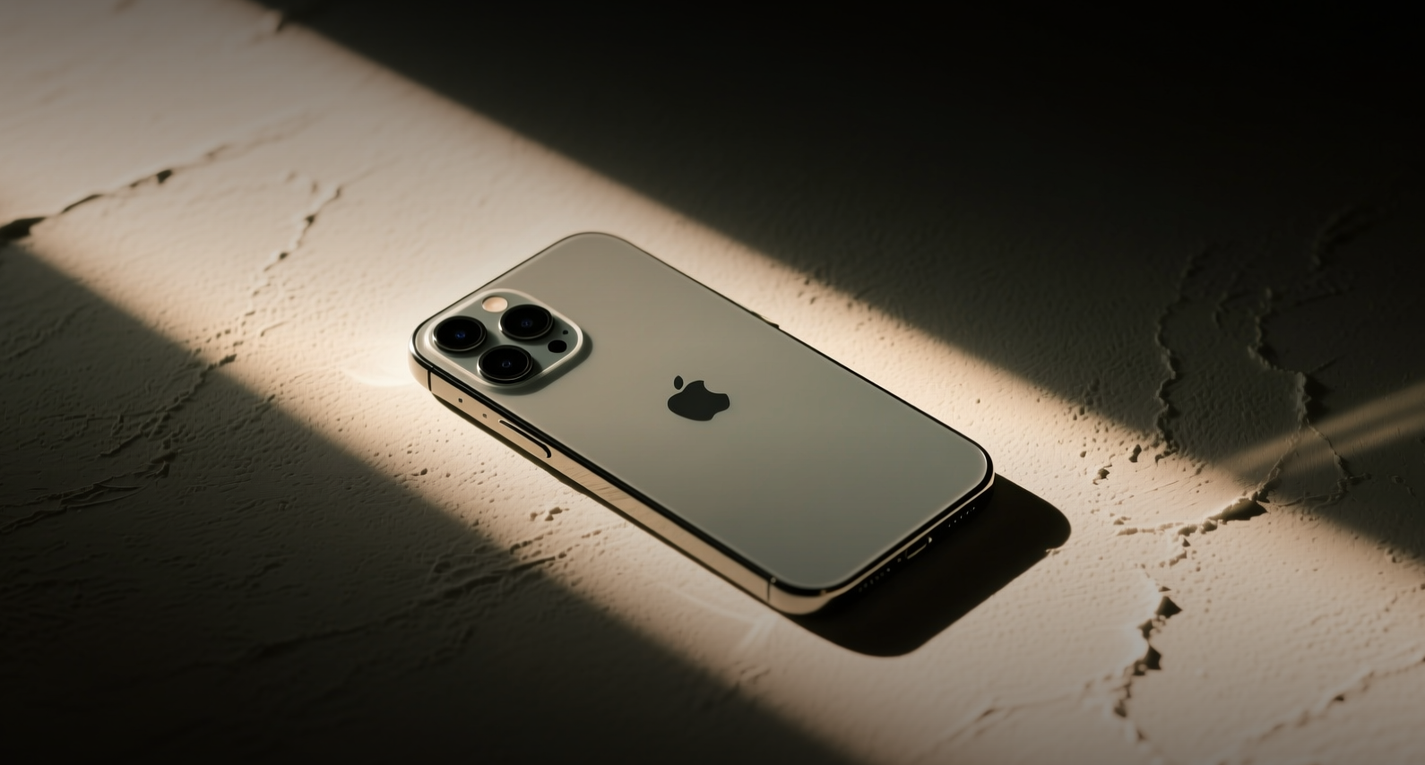
Apple CEO Tim Cook warned that price increases on iPhones, MacBooks, and iPads are "unavoidable" as the AI boom drives memory chip costs to levels he called a "hundred-year flood."
The AI industry's insatiable demand for memory chips is pushing Apple to raise prices on its flagship products, with the iPhone 18 Pro potentially costing $200 more as DRAM and NAND prices have doubled this year.
"Unfortunately, price increases are unavoidable," Tim Cook, chief executive officer of Apple, told the Wall Street Journal. "We've been trying to shield our customers from the increases, but the situation has become unsustainable."
Apple already raised prices on its MacBook lineup in March, bumping the 14-inch MacBook Pro with the M5 Pro chip to $2,199 from $1,999 and the 16-inch model to $2,699 from $2,499. The company also discontinued the Mac Pro, higher-end Mac Studio configurations, the 256GB Mac mini, and the 512GB MacBook Pro — effectively raising entry prices across its product line. RAM costs have doubled this year as AI companies snap up memory chips for data center servers, squeezing supply of the same DRAM and NAND components used in consumer devices.
The iPhone 18 Pro, expected to launch around Sept. 9, could see a $200 price increase to $1,299, according to projections from TechInsights cited by the Journal. Apple's first folding phone, the iPhone Ultra, may carry a $2,499 price tag. With Intel CEO Lip-Bu Tan predicting "no relief until 2028," the pricing pressure on Apple's hardware business — which generated $74.5 billion in iPhone revenue last quarter — shows no near-term end.
The Memory Crunch Has a Single Cause
The shortage traces directly to the AI infrastructure buildout. Companies racing to train and deploy large language models are buying DRAM and NAND chips in volumes that have overwhelmed supply, diverting components away from consumer electronics manufacturers. Microsoft, Sony, and Nintendo have all raised prices on their products as a result of the same cost pressures.
Cook described the situation as unlike anything he has seen in four decades in the industry. "There's less supply at a time when consumers want devices and the memory guys are passing along huge price increases," he said. "We definitely need memory pricing and supply to return to reasonable levels for consumer products."
Apple's second-quarter earnings call in April offered an early warning. Cook said the company was able to "partially offset" rising inventory costs during the first quarter but expected the price crunch would "drive an increasing impact on our business" starting in June. That timeline has now arrived.
What the Price Hikes Mean for Apple's Margins
By eliminating lower-storage configurations from its Mac lineup, Apple has effectively raised the minimum price of entry for its computers without announcing a formal price increase. The strategy masks some of the sticker shock but does nothing to address the underlying cost pressure on its bill of materials.
For investors, the central question is whether Apple can maintain its industry-leading gross margins — which have consistently exceeded 44% — as component costs rise. The company's pricing power has historically been among the strongest in consumer electronics, but a $200 increase on the iPhone 18 Pro would test consumer willingness to pay in an environment where Samsung and Google face similar cost pressures on their flagship devices.
Cook declined to specify which products would be affected or by how much, leaving analysts to model scenarios ahead of the September iPhone event. Apple shares, which trade at roughly 30 times forward earnings, have not yet priced in the full scope of the margin risk, according to several sell-side analysts who have flagged memory costs as a growing headwind for the December quarter.
This article is for informational purposes only and does not constitute investment advice.