



Key Takeaways:
- The AI sector has reached a cumulative market value of $10 trillion
- Four ETFs — BOTZ, ARKQ, IRBO, and ROBO — offer diversified exposure
- Concentration risk is high as Nvidia, Microsoft, and Alphabet dominate the sector
Key Takeaways:
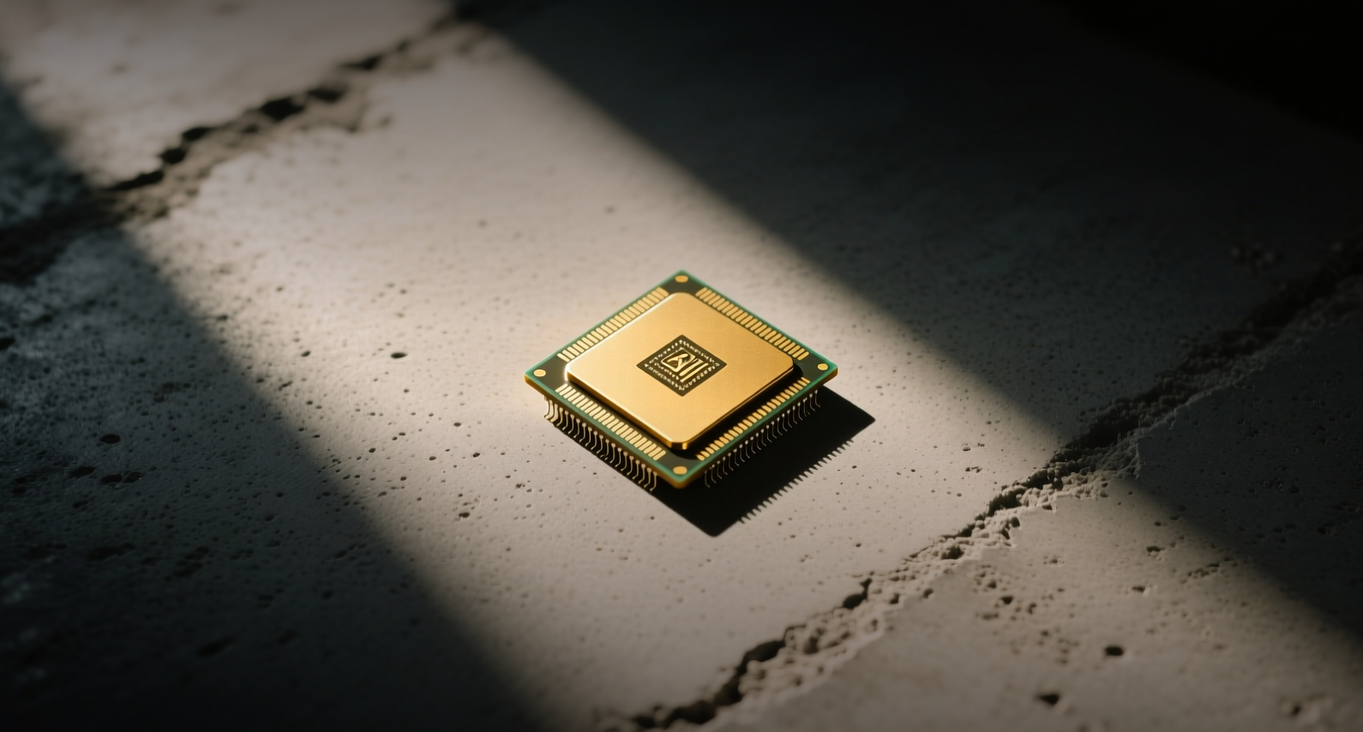
The artificial intelligence sector has reached a cumulative market value of $10 trillion, a milestone that underscores how deeply the technology has penetrated public markets in less than three years since the launch of ChatGPT.
The $10 trillion figure spans publicly traded companies across semiconductors, cloud infrastructure, enterprise software, and hardware — a universe that barely existed as a distinct category before 2023. Nvidia alone accounts for roughly $3.2 trillion of that total, followed by Microsoft, Alphabet, Amazon, and a growing roster of AI-native firms.
"The market is pricing in a decade of AI-driven productivity gains, but the revenue is just starting to show up in earnings," said Rachel Kim, an analyst at Edgen who covers AI infrastructure. "The question is whether the $10 trillion valuation reflects real adoption or anticipation that has gotten ahead of itself."
For investors who missed the initial run, four exchange-traded funds offer diversified exposure across the AI value chain. The Global X Robotics & Artificial Intelligence ETF (BOTZ) holds companies like Nvidia, Intuitive Surgical, and Keyence, with a focus on automation and robotics. The ARK Autonomous Technology & Robotics ETF (ARKQ) leans into autonomous driving and industrial AI, with Tesla and Kratos as top holdings. The iShares Robotics and Artificial Intelligence Multisector ETF (IRBO) tracks an equal-weight index of 100 AI-related companies, reducing concentration risk. The ROBO Global Robotics and Automation Index ETF (ROBO) holds about 80 stocks spanning industrial automation, healthcare robotics, and AI software.
Why $10 trillion matters — and what it means for investors
The $10 trillion figure is more than a headline. It represents roughly 10 percent of the total market capitalization of the S&P 500, up from near zero in 2022. The concentration risk is significant: Nvidia, Microsoft, and Alphabet together account for more than half of the AI sector's value, meaning a correction in any one name could ripple across the entire category.
ETFs mitigate that risk by spreading exposure across dozens of holdings. BOTZ, the largest pure-play AI ETF with about $2.5 billion in assets, charges a 0.68 percent expense ratio and has returned roughly 45 percent over the past 12 months. ARKQ, managed by Cathie Wood's ARK Invest, is more concentrated and more volatile, with a 0.75 percent expense ratio and a 12-month return of about 30 percent. IRBO, at 0.47 percent, is the cheapest option and offers the broadest diversification, while ROBO sits in the middle with a 0.59 percent expense ratio and a portfolio that tilts toward industrial automation.
The risk of paying for promise
The $10 trillion valuation comes with a caveat: many of the companies in these ETFs trade at elevated multiples relative to their current earnings. Nvidia trades at roughly 35 times forward earnings, while many smaller AI software companies trade at 10 times revenue or more. If AI adoption slows or if corporate spending on AI tools fails to deliver measurable returns, the sector could face a significant repricing.
"The buildout phase is priced in, but the revenue phase is not yet proven," Kim said. "Investors need to distinguish between companies selling picks and shovels — the infrastructure providers — and those selling the gold, the actual AI applications. The ETFs that balance both are the ones most likely to hold up in a downturn."
This article is for informational purposes only and does not constitute investment advice.
