

Key Takeaways:
- Abivax shares jumped 25% on June 30 after late-stage safety data
- Malignancy rates matched background levels in the Phase 3 trial
- The readout de-risks obefazimod's regulatory path in ulcerative colitis
Key Takeaways:
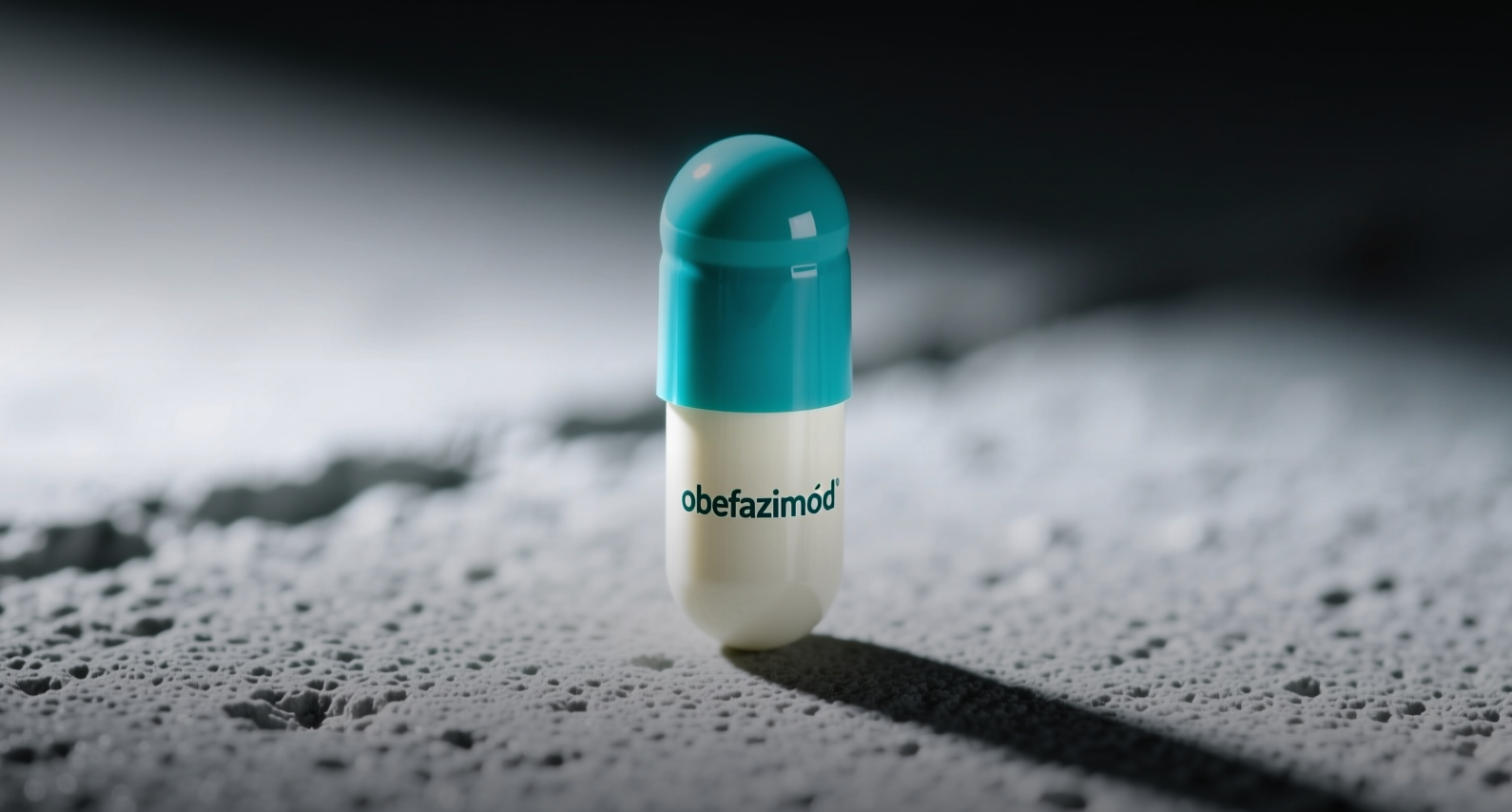
Abivax shares surged 25% on June 30 after late-stage trial data showed malignancy rates for its experimental oral drug obefazimod were in line with expected background levels, removing a key safety overhang that had weighed on the French biotech's stock.
"The safety profile we observed supports the continued development of obefazimod as a treatment for moderate to severe ulcerative colitis," the company said in its data release late Monday. Abivax is evaluating the drug in Phase 3 trials for the chronic inflammatory bowel condition, which affects an estimated 5 million people globally.
Obefazimod, an oral small molecule that modulates RNA splicing to reduce inflammation, represents a potential alternative to injectable biologics such as AbbVie's Humira and Johnson & Johnson's Stelara, which dominate the ulcerative colitis market. The drug's once-daily oral dosing could offer a convenience advantage over infused therapies if approved.
The malignancy data had been a focus for investors after some prior oral inflammatory bowel disease treatments raised safety questions. By showing rates consistent with what would be expected in a general patient population, Abivax addressed what analysts had flagged as the primary regulatory risk for the program.
Abivax, which trades on Euronext Paris, had a market capitalization of roughly 1.2 billion euros before the move. The company reported 142 million euros in cash as of its 2025 annual filing, providing runway through the expected regulatory submission. A Phase 3 readout in ulcerative colitis is anticipated in the second half of 2026, with a potential US and European filing in 2027 if data are positive.
The ulcerative colitis treatment market, valued at more than $10 billion annually, has drawn competition from multiple drug developers. Pfizer's Velsipity won US approval in 2023, while Eli Lilly's mirikizumab launched in 2024. Abivax's obefazimod, if approved, would enter a crowded field but with a differentiated oral mechanism that could capture a share of the roughly 40% of patients who do not respond adequately to current therapies.
This article is for informational purposes only and does not constitute investment advice.
