

Abbott Laboratories shares have fallen 29.4% year to date, the steepest decline among major medical device peers, as declining respiratory testing demand and acquisition-related costs overshadow strength in its core device portfolio.
Abbott Laboratories shares have fallen 29.4% year to date, the steepest decline among major medical device peers, as declining respiratory testing demand and acquisition-related costs overshadow strength in its core device portfolio.
Abbott Laboratories shares have fallen 29.4% year to date, the steepest decline among major medical device peers, as declining respiratory testing demand and acquisition-related costs overshadow strength in its core device portfolio.
Abbott Laboratories' 29.4% year-to-date decline makes it the worst performer among large-cap medical device stocks, as post-pandemic respiratory testing normalization and a $23 billion acquisition weigh on near-term results.
"Respiratory virus testing demand has normalized faster than we anticipated, creating a headwind for our Diagnostics segment," Abbott Chief Executive Officer Robert Ford said on the company's first-quarter earnings call.
The stock closed at $88.41 on June 19, roughly 36% below its 52-week high of $139.06. Rapid and Molecular Diagnostics revenue fell 9.6% on a comparable basis in the first quarter, while selling, general and administrative expenses rose 22.2% year over year, partly reflecting costs tied to the Exact Sciences acquisition and European regulatory compliance.
Abbott trades at roughly 18x forward earnings, a discount to the S&P 500's 22x multiple, reflecting the market's skepticism about the pace of recovery. The company's ability to restore growth depends on how quickly its Medical Devices segment — including FreeStyle Libre and cardiovascular products — can offset the drag from Diagnostics and Nutrition.
Abbott's Diagnostics segment, which surged during the pandemic on respiratory testing demand, has become the company's biggest near-term liability. Core Laboratory grew 3.3% on a comparable basis in the first quarter, and Cancer Diagnostics added growth following the Exact Sciences acquisition, but the segment's overall profile remains uneven as respiratory seasons fluctuate.
The $23 billion Exact Sciences deal, which closed earlier this year, added earnings dilution at a time when investors were already questioning Abbott's growth trajectory. The company also faces incremental costs tied to European MDR and IVDR compliance, which pushed SG&A expenses higher.
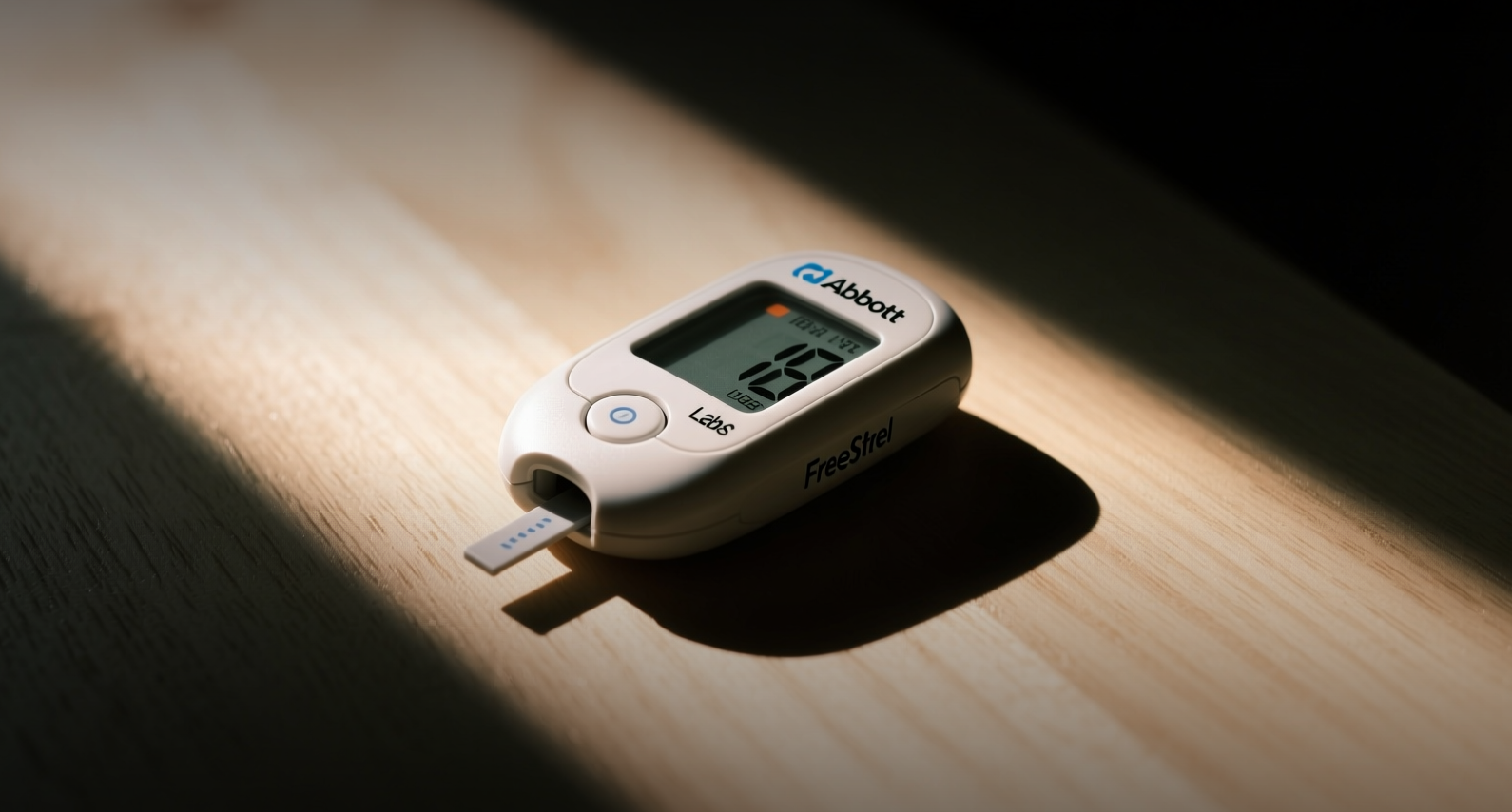
Meanwhile, Abbott's Medical Devices business continues to generate steady revenue from its FreeStyle Libre continuous glucose monitor and cardiovascular product lines. FreeStyle Libre, however, faces an FDA recall and intensifying competition from Dexcom and Medtronic, which could pressure market share and pricing.
Abbott's decline mirrors broader weakness across medical device stocks. Boston Scientific has fallen 52% year to date after cutting its 2026 growth guidance multiple times, citing slowing demand for its Watchman heart implant and an FDA Class 1 recall on certain pacemakers. Stryker dropped about 12% after a March cyberattack disrupted manufacturing.
Becton, Dickinson and Company has declined 25.8% year to date, while Labcorp has risen 2%, benefiting from momentum in specialty testing. The divergence highlights how company-specific factors — rather than sector-wide trends — are driving performance.
From a technical standpoint, Abbott is trading below both its 50-day and 200-day moving averages, suggesting shares could remain under pressure in the near term.
For investors, the question is whether Abbott's current valuation adequately discounts the headwinds. At roughly 18x forward earnings, the stock trades at a discount to the S&P 500 and below its five-year average of 22x. If Medical Devices revenue accelerates in the second half of 2026 and Diagnostics stabilizes, the current entry point could offer upside. But with respiratory testing demand still volatile, China uncertainty unresolved, and integration costs from Exact Sciences still flowing through, the path to recovery remains uncertain.
This article is for informational purposes only and does not constitute investment advice.
